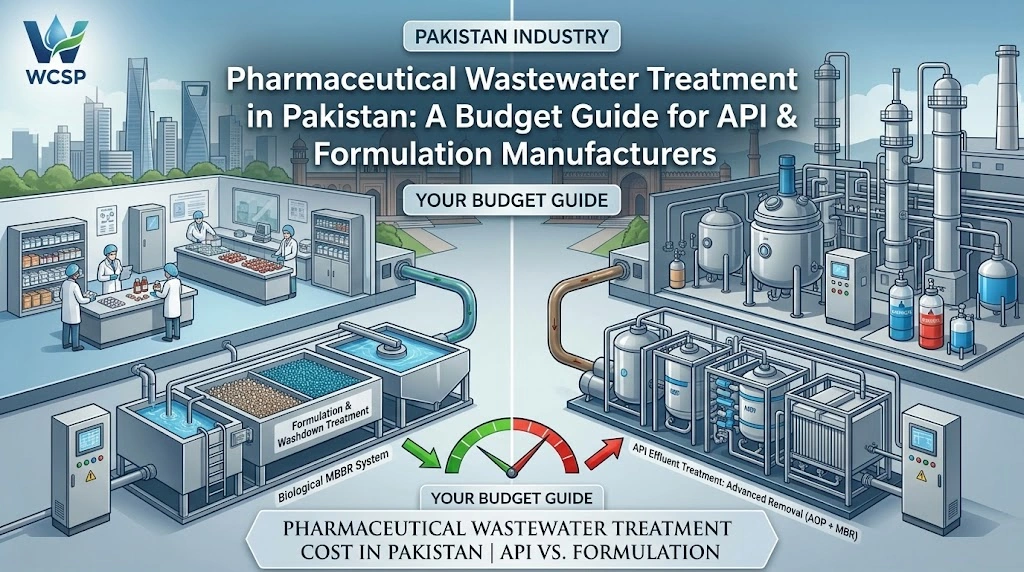
Pharmaceutical Wastewater Treatment Cost in Pakistan: A Budget Guide for API & Formulation Manufacturers
Budgeting for pharmaceutical wastewater treatment cost in Pakistan is harder than budgeting for most other industrial effluent because the cost
Budgeting for pharmaceutical wastewater treatment cost in Pakistan is harder than budgeting for most other industrial effluent because the cost
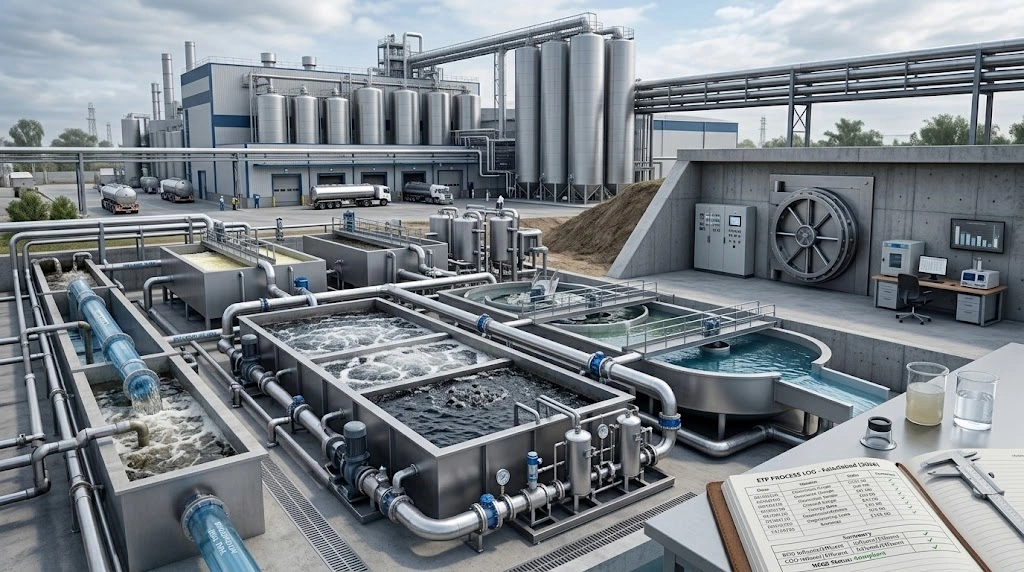
Milk processing looks like a clean business from the outside, but dairy wastewater treatment is one of the more demanding
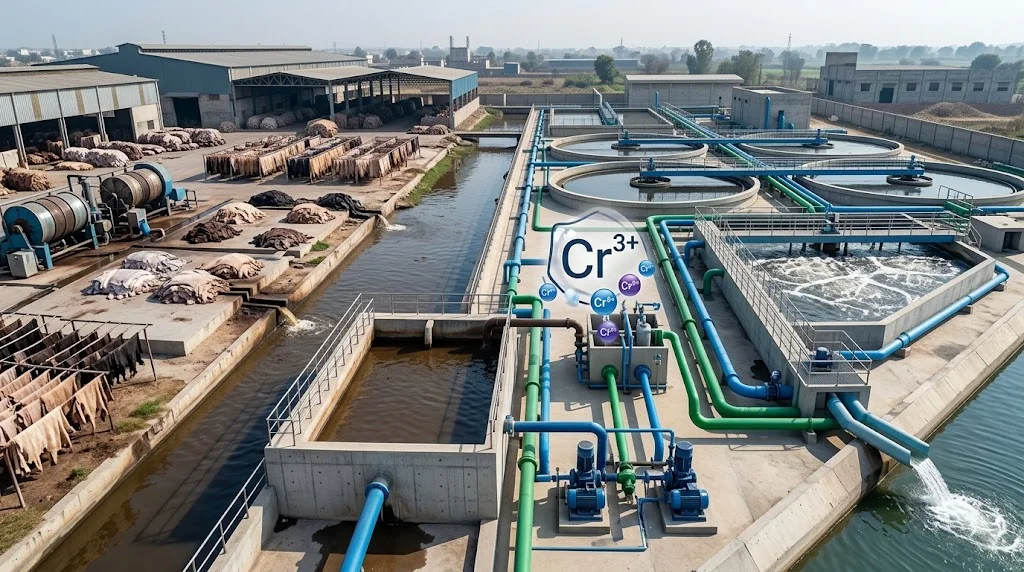
If you run or manage a tannery in Sialkot, Kasur, or Karachi’s Korangi belt, you already know chromium is both
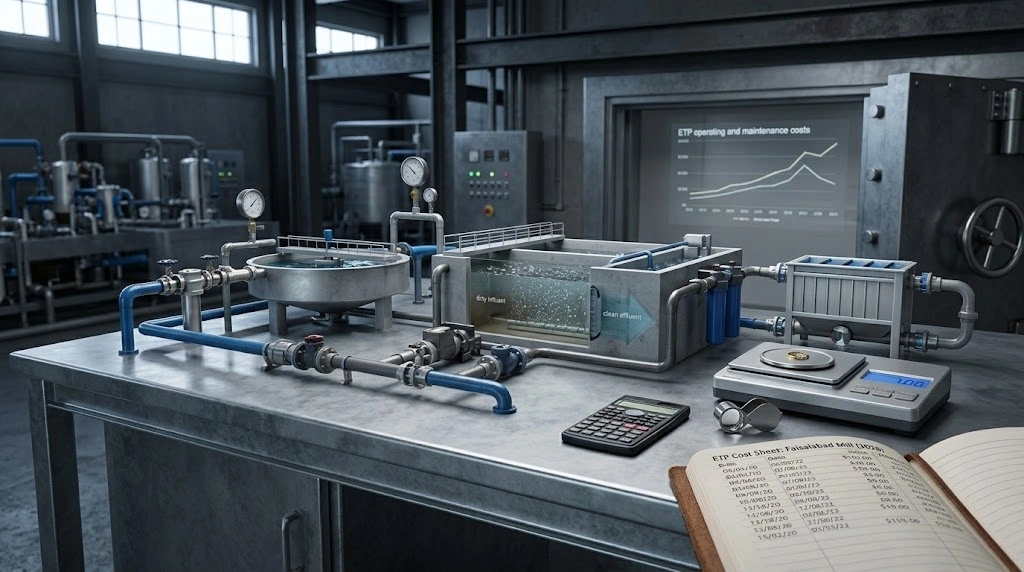
If you have requested quotes from two or three vendors for a textile effluent treatment plant cost in Pakistan and
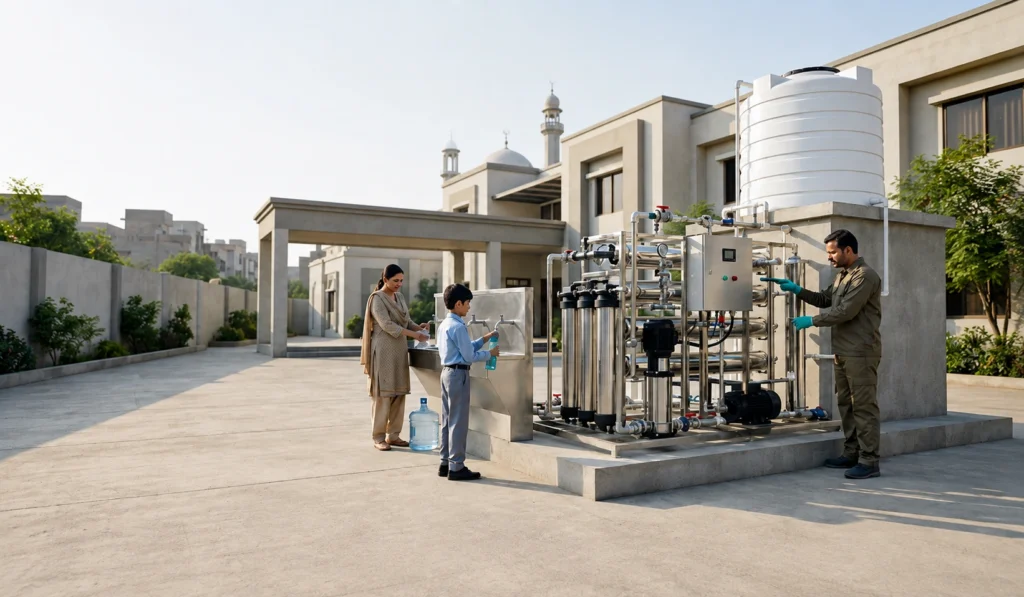
Across Pakistan, schools and masjids are increasingly serving as shared sources of clean water for entire neighborhoods—not only providing water
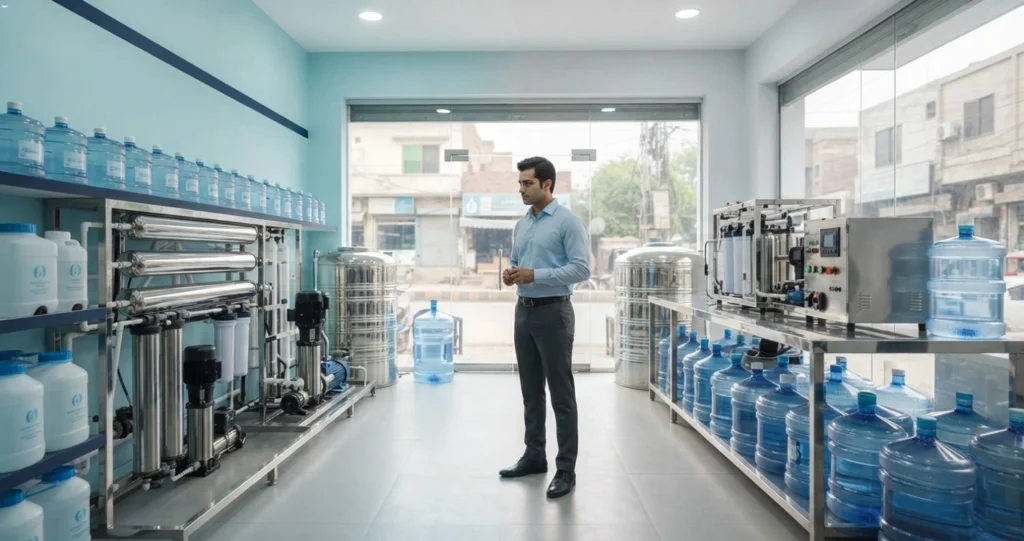
Once you decide to enter the water shop business, the next question is whether to invest in an established RO
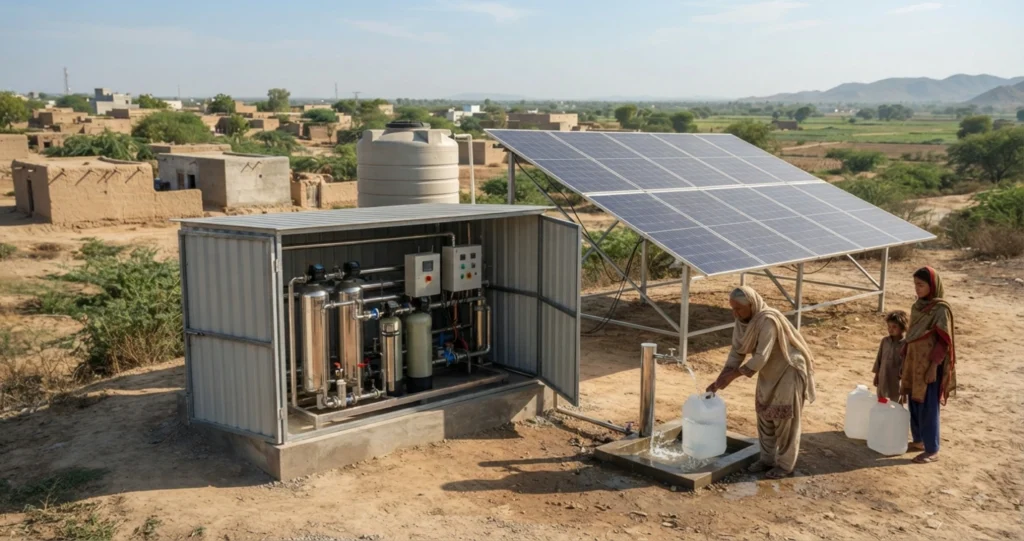
For many rural communities in Pakistan, access to clean drinking water is limited by more than just water quality—it is
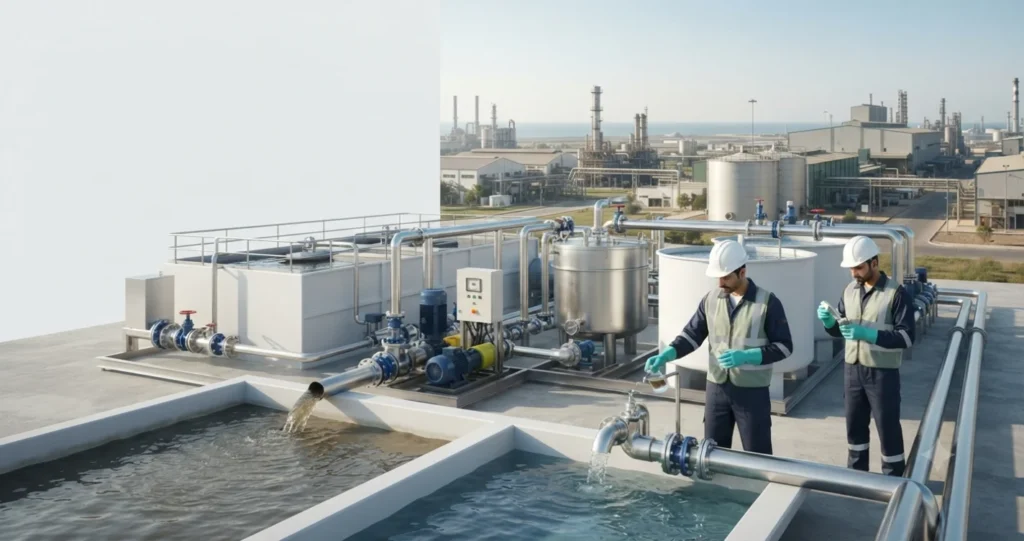
If your business operates facilities across multiple provinces, you’ve likely realized that “environmental compliance in Pakistan” does not follow one
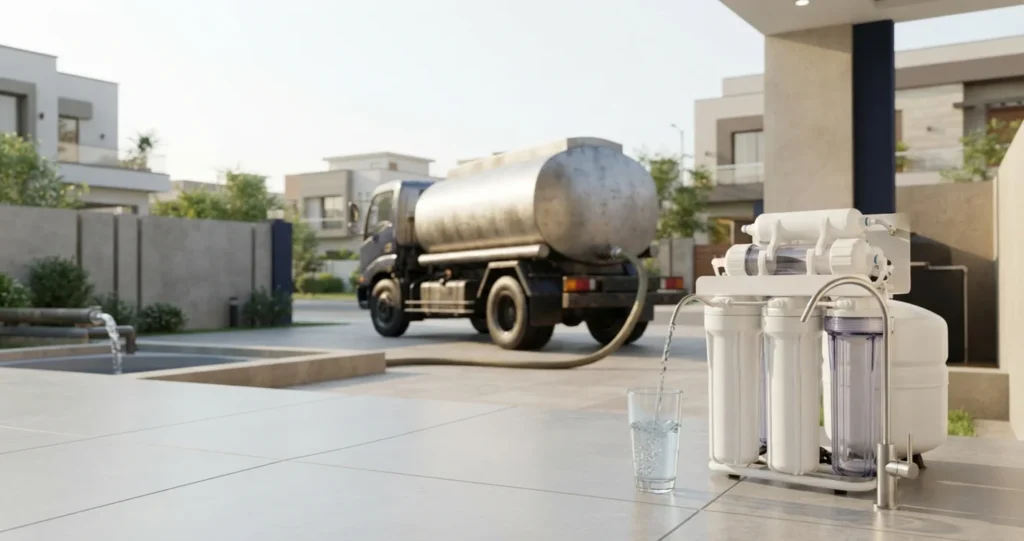
For many Karachi households, water tanker delivery is not simply a backup option—it is their main source of water, particularly
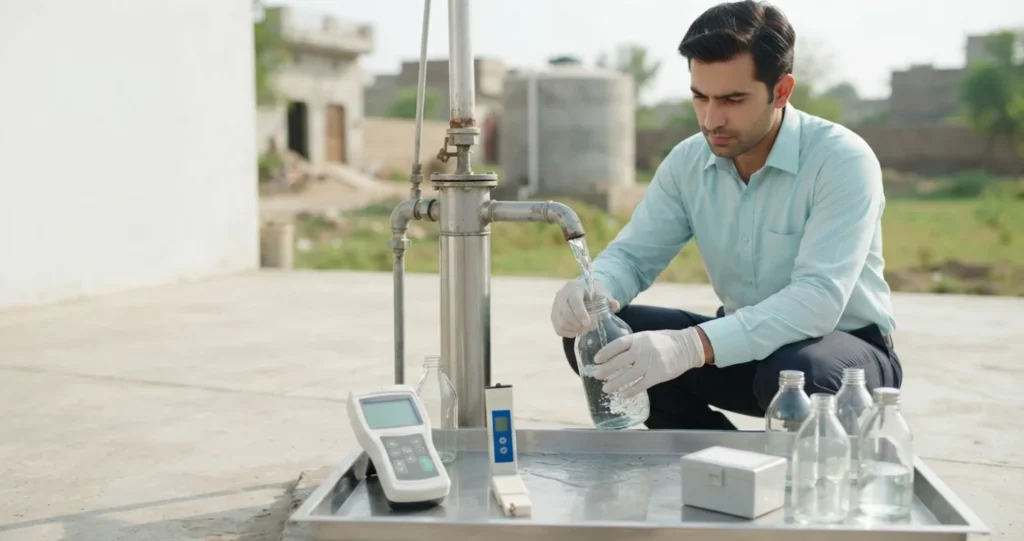
Drilling a borewell is a major investment, and it is easy to view the drilling itself as the most important

You’ve just purchased a TDS meter, tested your tap water, and a number appears on the display — but what
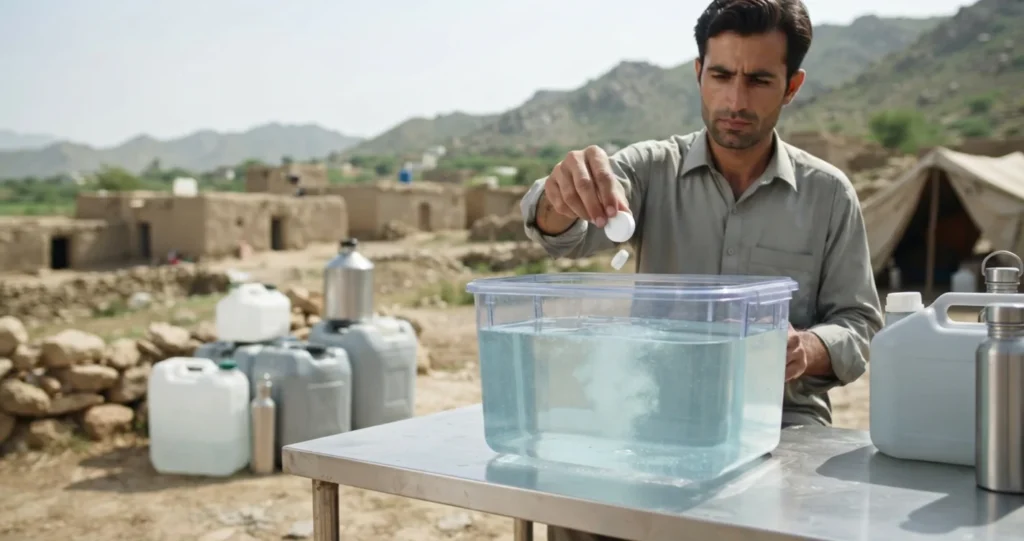
When municipal water supplies are disrupted due to flooding, contamination events, or a lack of reliable access to treated water,
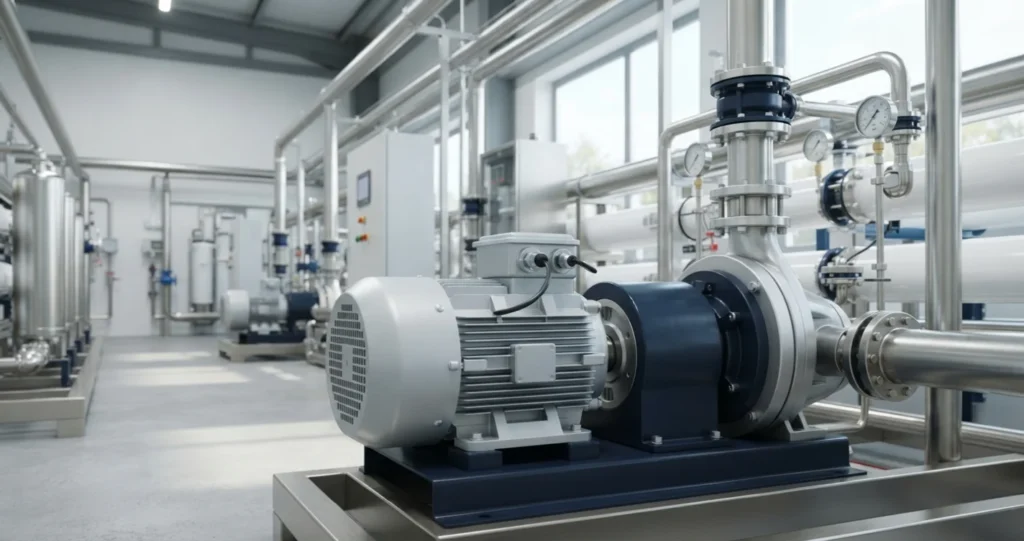
An Energy efficient RO plant motor can significantly impact your electricity bill because the motor powering the high-pressure pump is
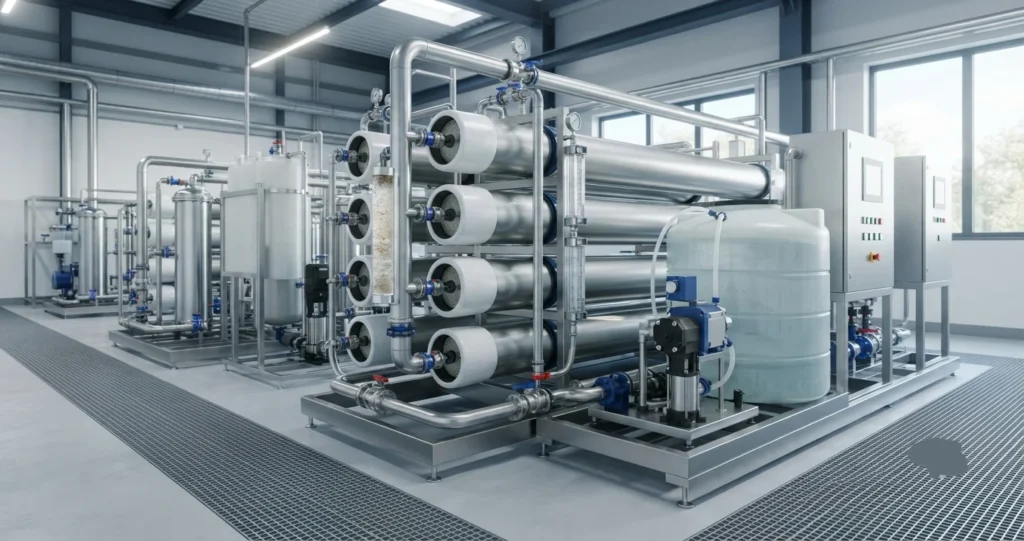
RO membrane antiscalant treatment is a critical part of reverse osmosis plant operation because it helps control mineral scaling before
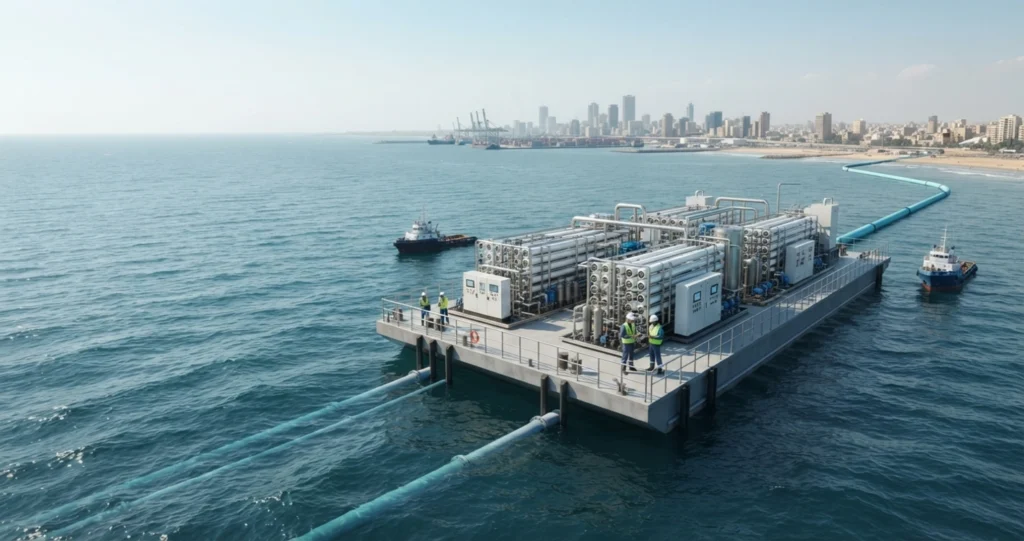
Karachi and other coastal areas of Sindh and Balochistan are located beside one of the largest bodies of water on
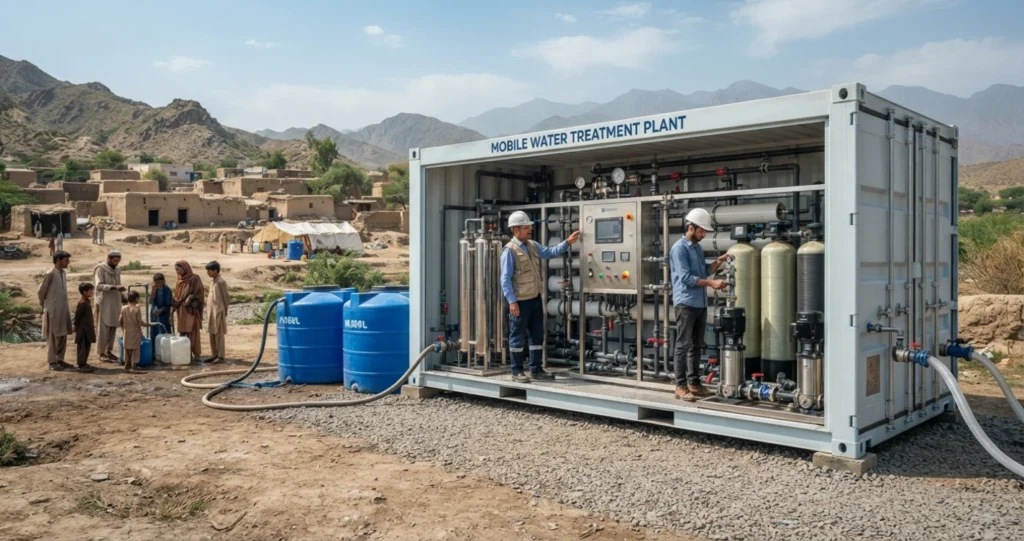
When a flood disrupts a town’s water supply, or a construction project requires clean water at a location without existing
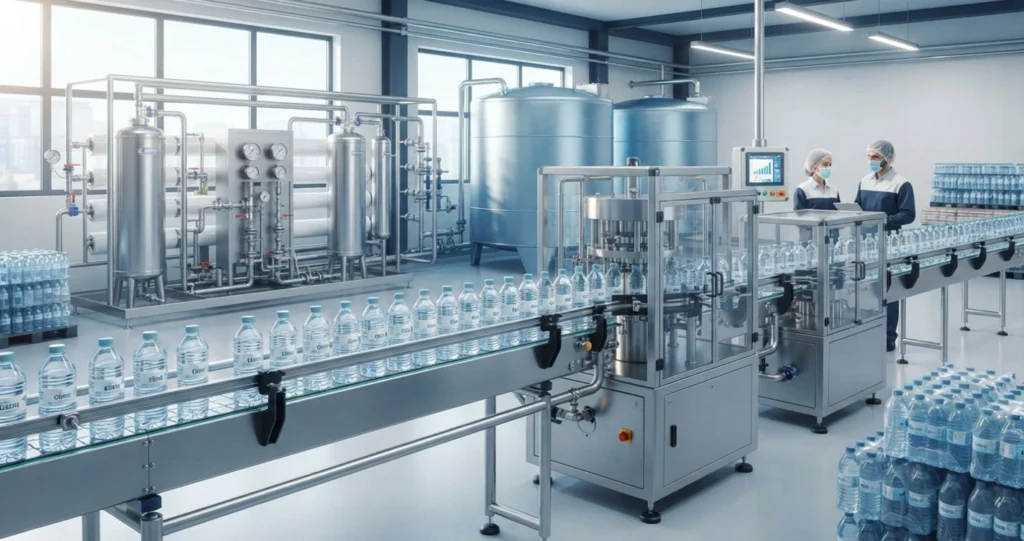
Bottled water has become one of Pakistan’s fastest-growing consumer categories, which explains why many investors are considering the mineral water
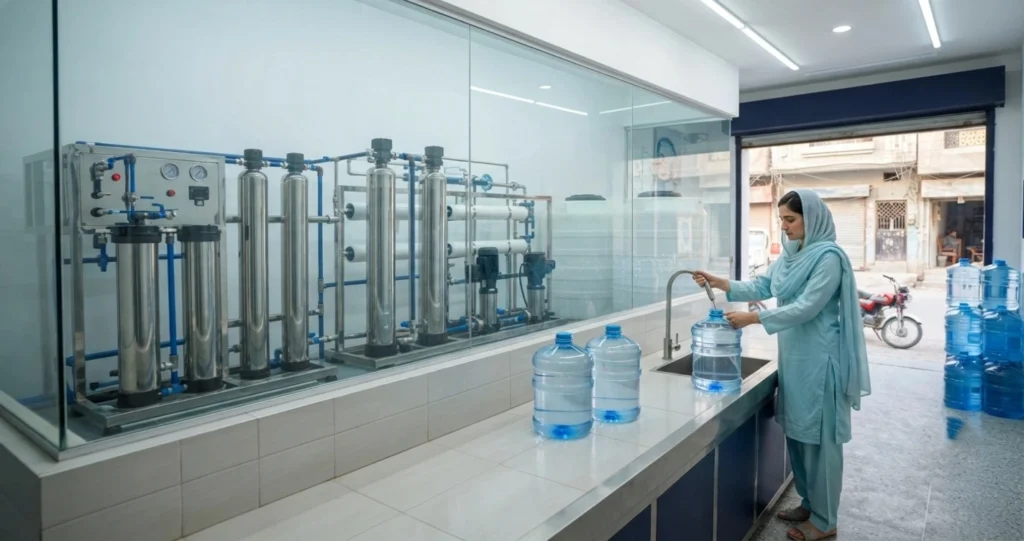
Walk through almost any residential or commercial area in Lahore, Karachi, or Faisalabad, and you’re likely to find at least