NEQS Compliance Guide for Industrial Effluent in Pakistan: What You Must Know
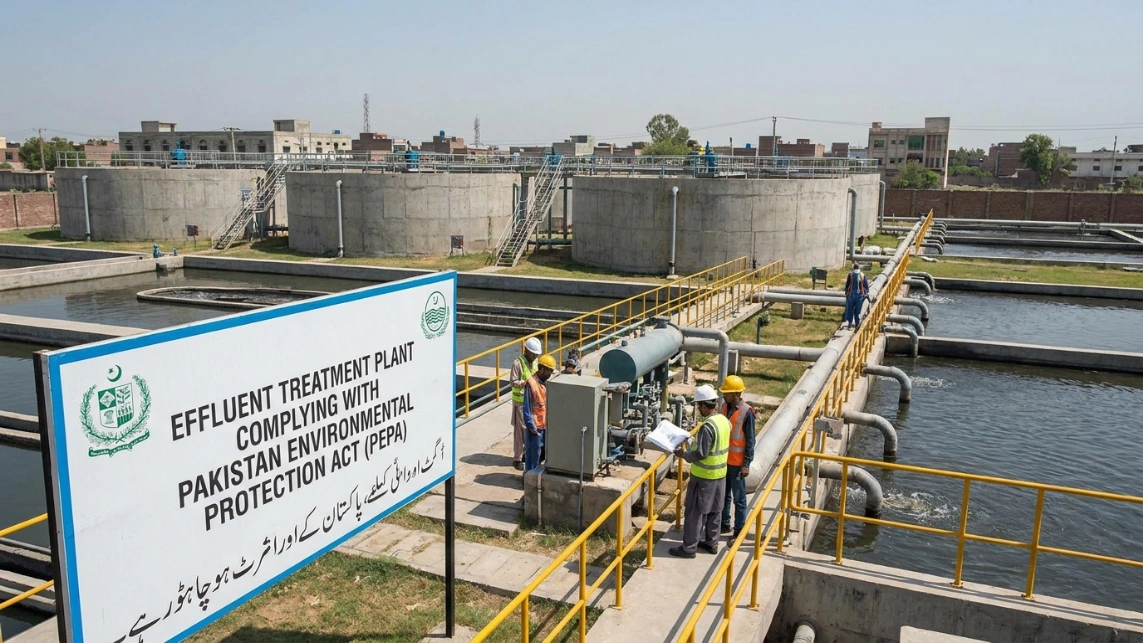
NEQS effluent standards Pakistan sets legally binding discharge limits for industrial wastewater under the Pakistan Environmental Protection Act 1997. Factories must treat effluent before discharging into waterways. Non-compliance risks factory shutdown, heavy fines, and criminal prosecution. Understanding these standards is the first step to building a compliant, cost-effective treatment system.
Your factory is producing. Orders are flowing. And then the Pakistan Environmental Protection Agency walks through your gates.
If your effluent treatment plant is not compliant with NEQS standards, that visit can cost you millions — in penalties, shutdowns, and lost production time. According to the Pakistan Council of Research in Water Resources, over 8,000 industrial units discharge untreated or partially treated effluent directly into Pakistan’s water bodies every year. That number represents not just an environmental crisis — it represents 8,000 factories operating under serious legal and financial risk.
This guide cuts through the regulatory complexity. You will learn exactly what NEQS effluent standards require, how Pakistan’s Environmental Protection Act enforces them, which treatment technologies achieve compliance, and what WCSP’s 17+ years of hands-on work across Lahore, Faisalabad, Karachi, and Sialkot has taught us about what actually works in Pakistan’s industrial context.
What Are NEQS Effluent Standards and Who Do They Apply To?
NEQS — the National Environmental Quality Standards — are legally enforceable discharge limits set under the Pakistan Environmental Protection Act 1997. They define the maximum concentrations of pollutants your facility may release into inland waters, coastal waters, or municipal sewers. Every industrial unit in Pakistan that generates process wastewater is required to comply — no exemptions for size, sector, or age of plant.
The standards cover parameters including BOD (Biochemical Oxygen Demand), COD (Chemical Oxygen Demand), Total Suspended Solids (TSS), pH, heavy metals (including chromium, lead, mercury, and cadmium), temperature, color, and oil and grease. For most industries, the permissible BOD limit for discharge into inland waters is 80 mg/L, COD is 150 mg/L, and TSS is 200 mg/L — though sector-specific sub-standards apply to industries like textiles and tanneries.
Which Industries Face the Strictest Scrutiny?
Textile mills, tanneries, pharmaceutical manufacturers, food and beverage processors, cement plants, and electroplating units consistently rank among the highest-risk sectors under Pakistan EPA enforcement. In Faisalabad’s industrial zone alone — home to hundreds of textile dyeing units — COD loads in untreated effluent routinely exceed 2,000 mg/L, more than thirteen times the NEQS limit. That gap is where compliance failures — and penalties — begin.
Provincial EPAs in Punjab, Sindh, KPK, and Balochistan are authorized to inspect, sample, and prosecute independently of the federal EPA. This means your facility can face action from multiple enforcement bodies simultaneously.
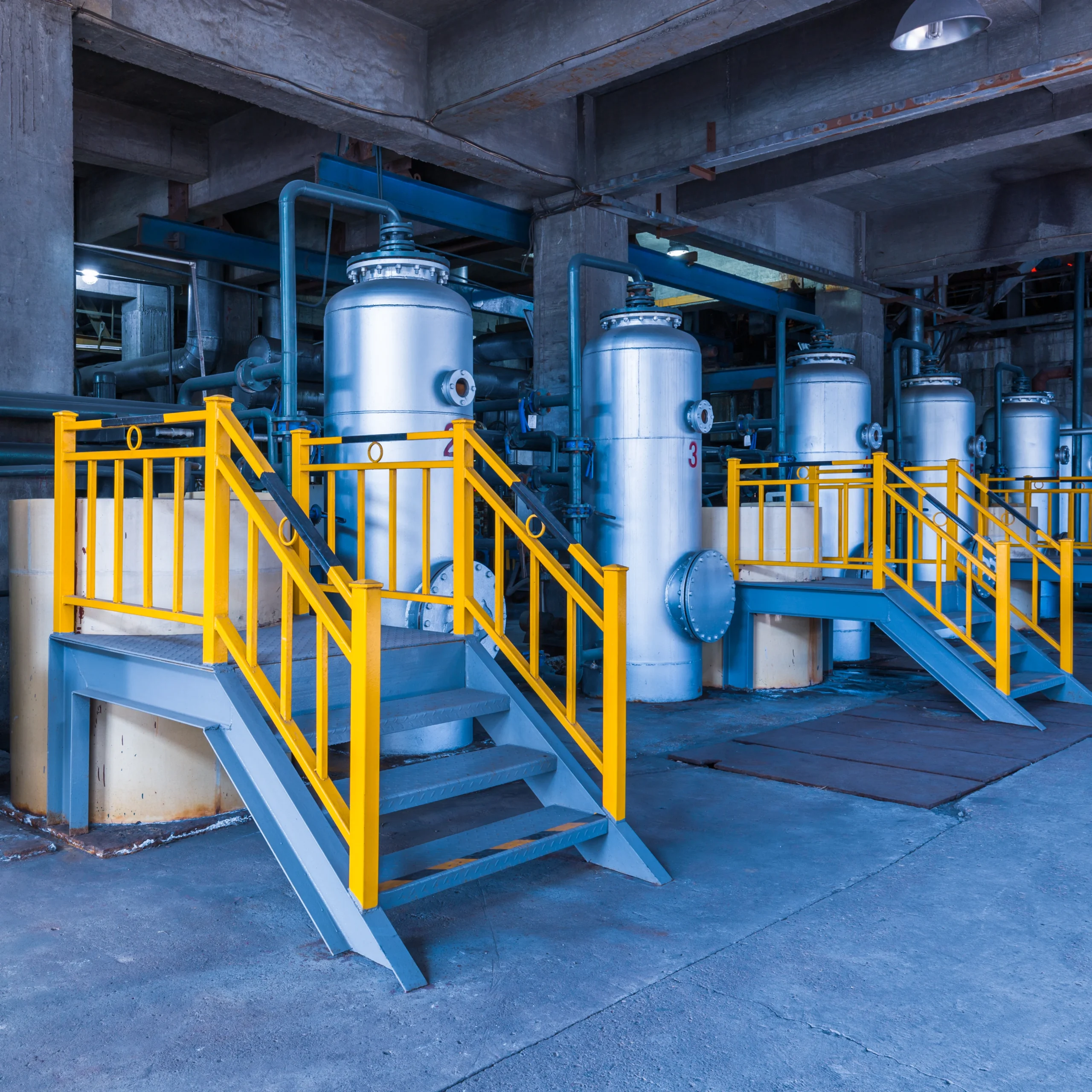
Drinking/Industrial Water Treatment System
How Does the Pakistan Environmental Protection Act Enforce Compliance?
The Pakistan Environmental Protection Act 1997 is the legal backbone of NEQS enforcement. Under Section 11 of the Act, no person shall discharge or emit any effluent, waste, air emission, noise, or any other matter in an amount, concentration, or level that is in excess of the NEQS. Violations are not administrative infractions — they are criminal offenses.
First-time violations carry fines of up to PKR 1 million. Continued violations attract an additional PKR 100,000 per day. The Federal Environmental Tribunal can order closure of your facility, forfeiture of equipment, and in serious cases — particularly involving toxic discharge into drinking water sources — imprisonment of responsible officers.
How Enforcement Actually Works in Practice
Provincial EPAs conduct scheduled and surprise inspections. They collect effluent samples at discharge points, send them to accredited laboratories, and compare results against NEQS limits. If your discharge exceeds limits, you receive an Environmental Notice. Failure to respond with a corrective action plan within the stipulated timeframe escalates to a Tribunal complaint.
The most important thing to understand: regulators are not looking to shut you down by default. In WCSP’s experience working with industrial clients across Pakistan, the EPA’s preference is documented corrective action — a credible, time-bound treatment upgrade plan. What triggers prosecutions is inaction, repeated violations, and — particularly in the current regulatory climate — discharge into rivers or canals used for agricultural water supply.
What Are the Key NEQS Effluent Parameters Your Plant Must Meet?
Meeting NEQS effluent standards Pakistan enforces requires monitoring a defined set of parameters at your final discharge point. Understanding which parameters your industry generates in excess — and at what concentrations — determines what treatment technology you need.
| Parameter | NEQS Limit (Inland Water) | Common Industry Exceedance |
|---|---|---|
| BOD (mg/L) | 80 | Textile, Food/Beverage, Pharma |
| COD (mg/L) | 150 | Textile dyeing, Tanneries, Pharma |
| TSS (mg/L) | 200 | Cement, Textile, Tanneries |
| pH | 6 – 9 | Electroplating, Tanneries, Pharma |
| Temperature (°C) | 40 | Textile, Power Generation |
| Oil and Grease (mg/L) | 10 | Food Processing, Engineering |
| Total Chromium (mg/L) | 1.0 | Tanneries, Electroplating |
| Lead (mg/L) | 0.5 | Batteries, Electroplating |
| Mercury (mg/L) | 0.01 | Pharma, Instruments |
| Color (Pt-Co units) | 150 | Textile dyeing, Paper |
Source: NEQS Schedule I, Pakistan Environmental Protection Act 1997 (SRO 549, as amended)
Testing Frequency and Documentation Requirements
NEQS compliance is not just about treatment — it is about documented proof of treatment. Your facility must maintain an effluent monitoring logbook, retain laboratory analysis reports from accredited third-party labs, and be ready to produce these on demand during an EPA inspection. Monthly testing is the minimum responsible practice; high-volume or high-risk discharge operations — such as large textile mills in Gujranwala or tannery clusters in Kasur — should test weekly.
WCSP’s environmental monitoring services provide accredited sampling, third-party lab analysis, and full documentation support — removing the compliance paperwork burden from your operations team.
Which Effluent Treatment Technologies Actually Meet NEQS Standards?
Here is where many factories get it wrong. They invest in a treatment plant, it operates for three years, and then it fails an EPA inspection — not because it stopped working, but because it was never designed to meet the specific discharge profile of their process. Technology selection must follow wastewater characterization, not the other way around.
Biological Treatment: MBBR and MBR for BOD and COD Reduction
For high-BOD/COD wastewater — common in textile operations, beverage factories, and pharmaceutical manufacturing — biological treatment is the core removal mechanism. Moving Bed Biofilm Reactor (MBBR) technology uses plastic carriers to support microbial biofilm that degrades organic matter. It handles fluctuating loads well, occupies a smaller footprint than conventional activated sludge, and consistently achieves BOD below 30 mg/L when properly designed.
Membrane Bioreactor (MBR) systems take biological treatment further — combining the MBBR process with ultrafiltration membranes to produce effluent of near-drinking quality. For factories discharging into sensitive waterways, or those pursuing ZLD, MBR is the technology of choice. WCSP has deployed MBR systems at pharmaceutical plants in Karachi and textile processing units in Lahore’s industrial estate, consistently achieving effluent BOD below 10 mg/L.
Physical-Chemical Treatment: Electrocoagulation and Fenton Process
For color removal — a critical parameter for textile mills — biological treatment alone is insufficient. Reactive dyes in textile dyeing effluent are resistant to biodegradation. WCSP’s electrocoagulation systems use electrochemical coagulation to remove color, heavy metals, and suspended solids simultaneously. Combined with the Fenton Process (hydrogen peroxide and iron catalyst generating hydroxyl radicals), this approach destroys recalcitrant dye molecules and achieves color removal above 95%.
Tanneries in Kasur and Sialkot dealing with high chromium loads use a combination of chemical precipitation and filtration as the primary chromium removal step, reducing total chromium to well below the NEQS limit of 1.0 mg/L before secondary treatment.
Pro Tip: The Most Expensive NEQS Compliance Mistake Industries Make
After 17+ years of designing and commissioning effluent treatment plants across Pakistan, the single most costly mistake WCSP encounters is plants sized for permit requirements rather than actual process loads. A textile mill in Faisalabad’s dyeing zone may install a plant rated for 500 m³/day — their permitted volume — but their actual peak-season flow hits 800 m³/day, and their COD concentration doubles during reactive dye processing runs. The result: chronic effluent limit exceedances despite having a functioning plant.
Before investing a single rupee in new treatment equipment, commission a comprehensive wastewater characterization study covering flow rate, load variation by production shift, and full parameter profiling over at least 30 days. Design for your actual worst-case load, not your average — and certainly not your permitted maximum.
What Is Zero Liquid Discharge and When Does Your Factory Need It?
Zero Liquid Discharge (ZLD) is a treatment approach that eliminates all liquid effluent discharge from an industrial facility. Every drop of process water is treated and recycled back into production. The concept sounds extreme — and in some contexts, it is — but for certain industries in Pakistan, ZLD has moved from optional best-practice to effective regulatory and operational necessity.
The Pakistan Environmental Protection Agency has signaled increasingly stringent discharge requirements for industries operating near sensitive agricultural water bodies — particularly in Punjab’s canal irrigation zone. Combined with water scarcity and rising freshwater costs, ZLD has become the most cost-effective long-term option for water-intensive industries like textile processing, where water costs represent 8–12% of total production cost.
According to the World Bank’s 2022 Pakistan Water Economy study, Pakistan faces a water deficit of approximately 31 million acre-feet annually — a shortage that is accelerating enforcement pressure on industrial water users. Factories in Gujranwala and Faisalabad that recycle process water through ZLD systems are already insulating themselves from both future regulation and future water tariff increases.
WCSP’s ZLD systems integrate MBR, Reverse Osmosis, and evaporation/crystallization technology in a fully automated sequence. We design ZLD plants for textile, pharma, and food and beverage clients across Pakistan, engineering each system around measured process water chemistry — not generic specifications.
How to Build a Step-by-Step NEQS Compliance Plan for Your Facility
Step 1 — Conduct a Wastewater Characterization Audit Commission a 30-day sampling campaign covering flow rates, BOD, COD, TSS, pH, heavy metals, and any industry-specific parameters. Use an accredited laboratory. This is your baseline.
Step 2 — Gap Analysis Against NEQS Limits Compare your average and peak load data against NEQS Schedule I limits. Identify which parameters exceed limits, at what concentrations, and during which production phases.
Step 3 — Technology Selection and Plant Design Select treatment technology based on actual discharge profile. Biological treatment (MBBR/MBR) for organics. Electrocoagulation or Fenton for color and heavy metals. Physical-chemical treatment for solids and pH. Engage an experienced ETP design firm — not equipment vendors who lead with products rather than process understanding.
Step 4 — Environmental Impact Assessment (EIA) and NOC For new or significantly upgraded treatment plants, you need a No Objection Certificate from your provincial EPA. The NOC process requires an EIA submission that includes treatment plant specifications and projected effluent quality.
Step 5 — Commission and Validate Performance After construction, run the plant through a full production cycle and document effluent quality at multiple operating conditions. Confirm NEQS compliance before applying for EPA clearance.
Step 6 — Establish an Ongoing Monitoring Programme Install flow meters, pH and BOD/COD continuous monitors where feasible. Schedule monthly third-party sampling. Maintain all records. Prepare for unannounced EPA visits with documentation ready at all times.
Step 7 — Conduct Annual Plant Performance Review Treatment plant performance degrades over time — membrane fouling, biological system imbalances, chemical dosing drift. An annual engineering review — WCSP provides this as a standalone service — catches problems before they become compliance failures.
What Are the Real Costs of NEQS Non-Compliance in Pakistan?
Non-compliance is expensive. The direct regulatory costs — fines, legal fees, tribunal proceedings — are the visible part. The indirect costs are typically far larger and less discussed.
A factory shutdown ordered by the Environmental Tribunal during peak production season can cost PKR 5–15 million in lost revenue for a medium-scale textile unit — far exceeding the cost of the treatment upgrade that would have prevented the shutdown. Export-oriented manufacturers face an additional layer of risk: major international buyers, particularly in the EU, US, and UK, now require environmental compliance documentation as a procurement condition. Suppliers without verifiable NEQS compliance are being removed from preferred vendor lists. According to Pakistan’s National Textile University research on export compliance barriers, 23% of textile manufacturers surveyed reported losing export orders due to environmental compliance deficiencies.
Insurance premiums for industrial facilities also factor compliance status into liability assessments. Facilities with documented NEQS non-compliance face surcharges or outright exclusions on environmental liability coverage.
The math is not complicated. A properly designed effluent treatment plant upgrade — sized, engineered, and commissioned correctly — costs a fraction of the combined regulatory, operational, and commercial losses that follow from sustained non-compliance.
WCSP’s industrial discharge regulations compliance assessments cover full cost-benefit analysis of treatment upgrades — helping clients build the business case for investment and the technical specification for procurement.
CONCLUSION
Regulatory pressure on industrial effluent discharge in Pakistan is not easing. If anything, it is intensifying — driven by water scarcity, environmental tribunal activism, and international supply chain compliance requirements that export-dependent manufacturers simply cannot ignore.
Here are the four things every factory manager and compliance officer should take from this guide:
First, NEQS effluent standards Pakistan enforces are legally binding — violations carry criminal, not merely administrative, consequences. Second, compliance starts with accurate wastewater characterization, not equipment purchasing. Technology selected without knowing your actual discharge profile almost always underperforms. Third, the right treatment technology — MBBR, MBR, Electrocoagulation, Fenton Process, or ZLD — depends entirely on your industry, your discharge volume, and your specific parameter exceedances. Fourth, documented monitoring is as important as treatment performance. An excellent plant that lacks records will still fail an EPA inspection.
WCSP has been helping Pakistan’s industrial sector achieve and maintain NEQS compliance since 2007 — across textile, pharma, food and beverage, cement, and municipal sectors in Lahore, Karachi, Faisalabad, Sialkot, Gujranwala, and beyond.
FAQ SECTION
1. What are the NEQS effluent standards for industrial discharge in Pakistan?
Answer: NEQS effluent standards Pakistan sets under the Environmental Protection Act 1997 specify maximum discharge limits including BOD of 80 mg/L, COD of 150 mg/L, TSS of 200 mg/L, and pH between 6 and 9 for inland water discharge. Heavy metal limits also apply — chromium at 1.0 mg/L, lead at 0.5 mg/L, and mercury at 0.01 mg/L. These apply to all industrial units nationwide.
2. What happens if a factory violates NEQS standards in Pakistan?
Answer: Under the Pakistan Environmental Protection Act 1997, first-time violations carry fines up to PKR 1 million, with continued violations attracting PKR 100,000 per day. The Environmental Tribunal can also order factory shutdown, equipment forfeiture, and imprisonment of responsible officers for serious cases involving toxic discharge. Non-compliance also risks export order cancellations from international buyers.
3. How much does an effluent treatment plant cost to build for NEQS compliance in Pakistan?
Answer: Costs vary significantly by industry type, discharge volume, and required treatment technology. A basic biological treatment system for a medium-scale food processing unit may cost PKR 5–15 million. A full MBR or ZLD system for a large textile mill can range from PKR 30–100 million. An accurate cost estimate requires a wastewater characterization study before any equipment selection.
4. What treatment technology is best for textile effluent to meet NEQS standards?
Answer: Textile dyeing effluent requires a combined approach. Electrocoagulation or the Fenton Process removes color and heavy metals. MBBR or MBR biological treatment reduces BOD and COD to below NEQS limits. For large mills seeking water reuse or ZLD compliance, Reverse Osmosis follows secondary treatment to produce recyclable permeate. No single technology alone achieves full NEQS compliance for complex textile effluent.
5. How long does it take to commission a compliant effluent treatment plant in Pakistan?
Answer: Design and NOC approval from the provincial EPA typically takes 2–4 months. Construction and mechanical completion of a medium-scale ETP takes another 3–6 months. Biological systems require 4–8 weeks of commissioning and microbial seeding before achieving stable performance. Allow 9–14 months from project inception to full regulatory compliance confirmation for a new or substantially upgraded plant.
6. Do small factories need to comply with NEQS effluent standards in Pakistan?
Answer: Yes. NEQS effluent standards Pakistan enforces apply to all industrial units generating process wastewater, regardless of size or annual turnover. Provincial EPAs increasingly target small and medium enterprises, particularly in textile, tannery, and food processing clusters in Faisalabad, Sialkot, and Gujranwala. Small factories often have cost-effective compliance options including compact MBBR systems or shared effluent treatment infrastructure through industrial estate management.