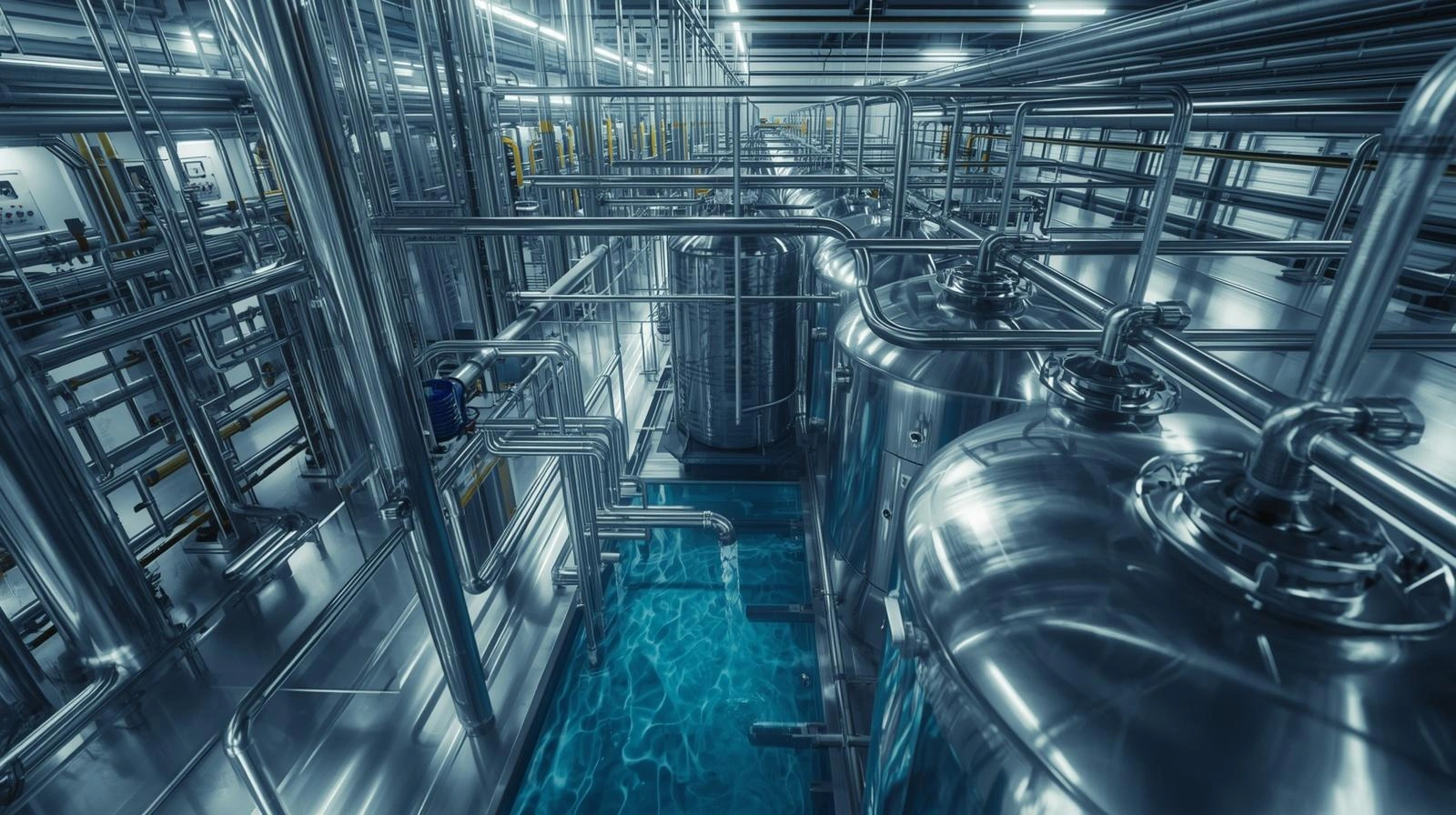
The global water crisis is real, and it’s hitting industries in Pakistan hard. Factories, especially those in water-intensive sectors like textiles, food processing, and chemicals, are facing the double challenge of maintaining water supply while ensuring operational efficiency. But what if you could turn this challenge into an opportunity?
Water reuse systems are not just an environmental necessity—they are becoming a financial imperative. In 2026, industrial water reuse is rapidly evolving into a key strategy for cost savings, compliance, and sustainability. This blog will explore how businesses can harness industrial water reuse to not only reduce costs but also create a competitive advantage. We’ll look at how you can calculate the ROI, the types of systems you can implement, and real-world examples of success.
The Growing Importance of Industrial Water Reuse in Pakistan
Water is one of the most critical resources in industrial operations, particularly in water-intensive industries such as textiles, food processing, and chemicals. However, with Pakistan’s growing water scarcity crisis, businesses are increasingly turning towards water reuse solutions to maintain production efficiency while adhering to environmental regulations.
What is Industrial Water Reuse?
Industrial water reuse refers to the practice of treating and recycling wastewater for use within the same industrial process. This can include the reuse of process water, cooling water, and even wastewater from domestic use in the factory. The goal is to reduce the overall water consumption, lower operational costs, and minimize the environmental impact of the business.
Why Should Pakistani Factories Care About Water Reuse?
- Water Scarcity Crisis: Pakistan is facing an acute water shortage, with decreasing water availability in many regions. According to the United Nations, the country is rapidly approaching “water scarcity” status.
- Cost Savings: The cost of water is rising, making it increasingly important for industries to find ways to reduce their water usage. Industrial water reuse can significantly lower water purchase and disposal costs.
- Regulatory Compliance: Pakistan is tightening its regulations around wastewater disposal. Factories need to comply with the National Environmental Quality Standards (NEQS) to avoid penalties.
How Can Water Reuse Provide a High ROI for Factories in Pakistan?
What is the ROI of Industrial Water Reuse?
The ROI of water reuse is calculated by the savings generated from reduced water costs, lower waste disposal fees, and fewer regulatory fines, minus the investment in the water treatment system.
The ROI of water reuse systems can be substantial, as evidenced by several global case studies. On average, companies that implement water reuse systems see a 20-40% reduction in water usage and significant cost savings in the long run. In Pakistan, this could translate to millions of rupees in savings for large factories.
Pro Tip:
To calculate the ROI, consider factors like the initial investment cost, operational and maintenance costs, expected savings in water costs, and potential cost reductions from fewer penalties for non-compliance.
Types of Water Reuse Systems: Which is Right for Your Factory?
What Are the Different Types of Water Reuse Systems?
- Simple Reuse Systems: These systems recycle water within a single process, like cooling water or cleaning processes, without significant treatment. Simple reuse systems are cost-effective and easy to implement for smaller factories.
- Advanced Treatment Systems: These systems use methods like reverse osmosis, filtration, and chemical treatments to make wastewater reusable for high-demand processes, such as manufacturing or chemical processing. While more expensive upfront, they can offer significant long-term savings in water-intensive industries.
- Closed-Loop Systems: This involves the reuse of water within a closed system where water is continuously treated and recycled. This system works well for industries that require large amounts of water, such as textiles, where dyeing processes produce significant wastewater.
Case Study:
A large textile manufacturer in Faisalabad implemented a reverse osmosis-based water treatment system that helped them recycle 70% of their wastewater. This reduced their water bill by 30%, contributing to a return on investment within 18 months.
The Environmental and Operational Benefits of Water Reuse
How Does Water Reuse Help Factories Improve Operational Efficiency?
By reusing water, factories can:
- Reduce dependency on external water sources, particularly in regions where water is scarce.
- Ensure smoother operations by ensuring an uninterrupted supply of water.
- Minimize water-related disruptions in production processes, which can be costly and time-consuming.
Pro Tip:
For industries like textiles, where water plays a crucial role in dyeing and washing, integrating a closed-loop water system can significantly increase operational continuity and productivity.
Overcoming Common Barriers to Implementing Water Reuse
What Are the Challenges in Implementing Water Reuse?
- High Initial Investment: The upfront cost of installing water reuse systems can be a significant barrier, particularly for small and medium-sized enterprises (SMEs). However, this can be mitigated with government incentives, green financing options, and long-term cost savings.
- Lack of Technical Expertise: Many factories lack the in-house knowledge required to install and maintain water reuse systems. This can be overcome by partnering with specialized service providers or through training programs.
- Complexity of Wastewater Treatment: The quality of wastewater varies greatly between industries, making it challenging to design a one-size-fits-all system. Working with experts in water treatment ensures that factories can design a system that meets their specific needs.
Real-World Examples: Successful Water Reuse in Pakistani Factories
Case Study 1: Textile Manufacturer in Karachi
A textile manufacturer in Karachi implemented a reverse osmosis filtration system to treat and reuse water from their dyeing process. The system reduced water consumption by 40%, resulting in annual savings of over PKR 5 million.
Case Study 2: Food Processing Plant in Lahore
A food processing plant in Lahore installed a water recycling system to treat wastewater from their cleaning operations. The treated water was reused for irrigation and cooling, reducing their water purchase costs by 25% and improving their sustainability credentials.
Conclusion: Embrace Industrial Water Reuse for Long-Term Profitability
Industrial water reuse is not just an environmental necessity; it’s a business imperative. By investing in water reuse systems, Pakistani factories can save money, ensure regulatory compliance, and contribute to sustainability efforts. The ROI-driven business case for industrial water reuse is clear—those who adopt water recycling systems will lead the way in both operational efficiency and profitability in 2026 and beyond.
FAQ Section
1. What is the ROI of industrial water reuse?
The ROI of water reuse systems can be substantial, with savings on water purchase costs, waste disposal, and regulatory fines. ROI typically ranges from 20% to 40%, depending on the system and industry.
2. Can small factories afford water reuse systems?
Yes, small factories can install simpler water reuse systems that offer cost-effective solutions with lower upfront investment. Government incentives and financing options are also available to ease the financial burden.
3. What are the key challenges in implementing water reuse?
Challenges include high initial investment, lack of technical expertise, and the complexity of treating different types of wastewater. However, these can be overcome through expert partnerships and training.
4. How does water reuse benefit factories beyond cost savings?
Water reuse improves operational continuity, reduces dependence on external water sources, and enhances a factory’s sustainability efforts, contributing to better environmental stewardship.
5. What types of industries benefit the most from water reuse?
Industries like textiles, food processing, chemicals, and pharmaceuticals, which require large amounts of water for production, stand to gain the most from water reuse systems.
6. Are there any government incentives for implementing water reuse systems in Pakistan?
Yes, the government offers incentives and subsidies for companies adopting green technologies, including water reuse systems. These incentives can help offset the initial investment costs.