Pakistan is approaching a critical water threshold. According to the World Bank, Pakistan’s per capita water availability has dropped from around 5,000 cubic meters in 1951 to below 1,000 cubic meters today, placing the country close to absolute water scarcity. The water crisis Pakistan 2026 scenario is no longer theoretical for industries in Lahore, Faisalabad, Karachi, and Sialkot. It is already affecting production continuity, compliance costs, and operational planning.
Textile mills face declining groundwater levels. Beverage plants struggle with inconsistent raw water quality. Municipal systems remain under pressure from untreated industrial discharge and rapid urban expansion. At the same time, Pakistan EPA and provincial EPAs are tightening enforcement under NEQS regulations.
You cannot solve this challenge with outdated treatment plants or reactive maintenance. You need integrated water management, real-time monitoring, recycling systems, and technologies designed for Pakistan’s industrial conditions.
This guide explains the causes behind the crisis, the industries most at risk, and the treatment solutions helping Pakistani businesses reduce water dependency while maintaining compliance and operational stability.
Why Is the Water Crisis Pakistan 2026 Becoming So Severe?
Pakistan’s water crisis in 2026 is intensifying because of groundwater over-extraction, industrial pollution, urban population growth, and climate-related pressure on freshwater reserves. Industries using outdated treatment systems now face higher operational risks, stricter environmental enforcement, and increasing costs linked to water scarcity and wastewater management.
Pakistan loses billions of cubic meters of usable water every year through inefficient infrastructure, untreated wastewater discharge, and excessive groundwater pumping. According to the Pakistan Council of Research in Water Resources, the country could reach severe water scarcity conditions if sustainable water management practices are not adopted immediately.
Industrial Demand Is Outpacing Natural Recharge
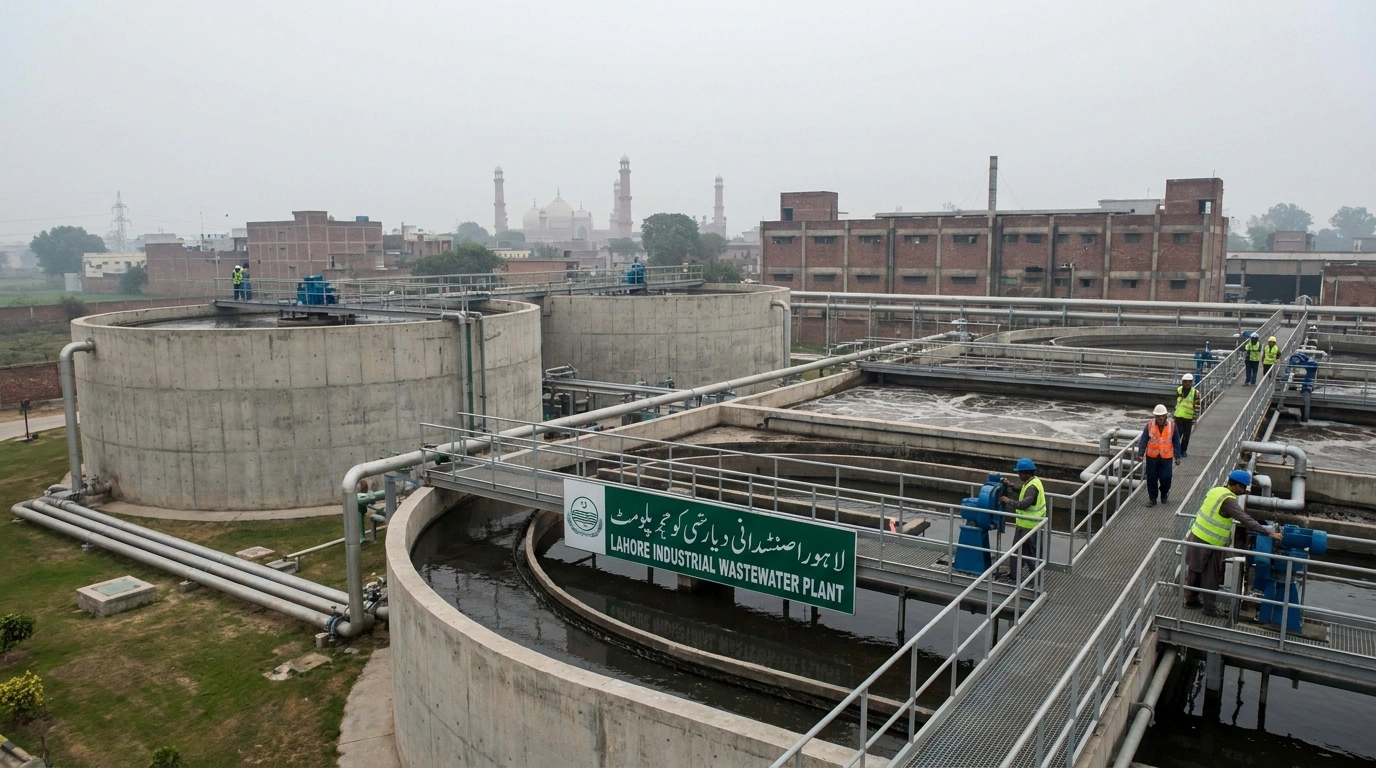
Industrial clusters in Lahore, Faisalabad, and Gujranwala continue extracting groundwater faster than aquifers can recover. Textile processing units, leather industries, steel plants, and beverage manufacturers consume massive quantities of water daily. Many facilities still operate without proper water recycling systems.
Lahore’s groundwater table reportedly declines by nearly 2 to 3 feet annually in some zones, according to WASA Lahore assessments. This directly affects industrial bore performance, pumping costs, and water quality stability.
Pollution Is Shrinking Usable Water Resources
Untreated industrial discharge further reduces available freshwater. Dyeing chemicals, heavy metals, suspended solids, and organic waste contaminate canals and groundwater sources. Industries that fail to treat wastewater properly increase environmental pressure while also risking NEQS violations and production interruptions.
Modern treatment technologies such as MBR, electrocoagulation, and Zero Liquid Discharge systems are becoming operational necessities rather than optional upgrades.
How Is Industrial Water Pollution Pakistan Affecting Businesses and Cities?
Industrial water pollution Pakistan is damaging freshwater ecosystems, increasing treatment costs, and creating compliance risks for industries and municipalities. Factories discharging untreated wastewater contribute to groundwater contamination, public health concerns, and stricter regulatory action from environmental authorities.
Industrial pollution affects far more than rivers and drains. It directly impacts your operational reliability, reputation, and future licensing approvals.
According to the Pakistan Environmental Protection Agency, industrial wastewater remains one of the largest contributors to water contamination in urban industrial zones. Textile processing alone generates highly contaminated effluent containing dyes, salts, heavy metals, and chemical oxygen demand loads.
Industries Under Growing Pressure
Several sectors now face heightened scrutiny:
- Textile dyeing and processing plants in Faisalabad
- Tanneries in Kasur and Sialkot
- Pharmaceutical manufacturers in Lahore
- Food and beverage industries in Karachi
- Steel and chemical processing plants in Punjab
These industries must comply with NEQS discharge limits related to BOD, COD, TSS, pH, and toxic contaminants.
Why Conventional Treatment Is Failing
Older treatment systems often struggle with fluctuating wastewater loads and chemical complexity. Many conventional plants generate excessive sludge, consume high energy, or fail to achieve consistent compliance.
Advanced systems now deliver better operational stability:
| Technology | Best Use Case | Water Recovery Potential | Sludge Generation | Compliance Performance |
|---|---|---|---|---|
| Conventional ETP | Basic industrial discharge | Low | High | Moderate |
| MBBR System | Organic load treatment | Moderate | Moderate | High |
| MBR Technology | High-quality reuse water | High | Low | Very High |
| Electrocoagulation | Heavy metals and color removal | Moderate | Low | High |
| ZLD System | Maximum water recovery | Very High | Very Low | Excellent |
Industries increasingly adopt WCSP’s wastewater treatment system service to modernize outdated infrastructure and improve long-term compliance performance.
Can Water Scarcity Solutions Pakistan Reduce Industrial Dependency on Groundwater?
Water scarcity solutions Pakistan can significantly reduce industrial groundwater dependency through wastewater recycling, rainwater harvesting, process optimization, and advanced treatment systems like RO, MBR, and Zero Liquid Discharge technologies.
Industries that continue relying entirely on fresh groundwater face rising financial and regulatory pressure. Sustainable water management now requires recovery, reuse, and efficiency improvements across the production cycle.
Water Recycling Delivers Immediate Operational Benefits
Many Pakistani industries discharge reusable water simply because their treatment systems cannot recover it effectively. Modern recycling systems can recover 70% to 95% of process water depending on wastewater characteristics.
For example:
- Textile plants reuse treated water in washing processes
- Beverage factories recover RO reject streams
- Pharma plants integrate purified recycled water into utility operations
- Municipal bodies reuse treated wastewater for landscaping and irrigation
Technologies Driving Water Recovery
Several technologies now play a central role in water reuse strategies:
Reverse Osmosis Systems
RO systems remove dissolved salts and contaminants, producing high-quality process water suitable for industrial reuse. WCSP’s reverse osmosis plant service helps industries reduce freshwater extraction while improving water consistency.
Membrane Bioreactor Systems
MBR combines biological treatment with membrane filtration, producing cleaner effluent with lower footprint requirements. WCSP’s membrane bioreactor service supports industries requiring compact, high-efficiency wastewater recycling.
Zero Liquid Discharge
ZLD systems recover nearly all wastewater while minimizing discharge. Industries operating in water-stressed regions increasingly invest in WCSP’s Zero Liquid Discharge serviceto secure long-term water sustainability.
The Asian Development Bank estimates that wastewater reuse could substantially reduce freshwater demand in urban industrial regions if adopted at scale.
Why Is Groundwater Depletion Lahore Becoming a Serious Industrial Risk?
Groundwater depletion Lahore is creating serious risks for industries because falling water tables increase pumping costs, reduce bore efficiency, worsen water quality, and threaten long-term operational continuity for factories dependent on groundwater extraction.
Lahore’s industrial and urban growth has accelerated groundwater extraction beyond sustainable levels. Bore depths continue increasing while recharge rates remain limited due to urban construction and reduced permeable land surfaces.
The Real Cost of Falling Groundwater Levels
Many industries focus only on extraction availability, not the hidden operational costs:
- Increased electricity consumption from deeper pumping
- Reduced pump lifespan
- Higher TDS and hardness levels
- Greater membrane fouling in RO systems
- Production downtime from unstable water supply
According to studies referenced by the International Water Management Institute, Lahore extracts significantly more groundwater annually than natural recharge levels support.
Industrial Areas Facing Greater Pressure
High-demand industrial zones include:
- Sundar Industrial Estate
- Kot Lakhpat
- Raiwind industrial corridor
- Faisalabad textile region
- Gujranwala manufacturing sector
Industries in these zones increasingly require advanced pretreatment, monitoring systems, and water reuse strategies.
Real-Time Monitoring Matters
You cannot manage what you do not measure. Real-time monitoring systems track:
- Flow rates
- Conductivity
- pH levels
- TDS fluctuations
- Chemical dosing efficiency
- Membrane performance
WCSP’s water quality monitoring service (link: /water-quality-monitoring/) helps facilities identify operational inefficiencies before they become costly failures.
What Treatment Technologies Work Best for Pakistan’s Industrial Conditions?
Pakistan’s industrial conditions require flexible, high-efficiency treatment technologies capable of handling variable wastewater loads, high TDS levels, chemical contamination, and strict compliance demands. Systems like MBBR, MBR, electrocoagulation, RO, and ZLD now offer stronger long-term performance than many traditional treatment setups.
No single treatment technology works for every industry. The right solution depends on wastewater composition, recovery goals, operational budget, and discharge requirements.
MBBR Systems for Variable Organic Loads
Moving Bed Biofilm Reactor systems perform well in food processing, municipal treatment, and textile applications with fluctuating organic loads. They provide stable biological treatment with smaller footprints than many older activated sludge systems.
Electrocoagulation for Complex Industrial Wastewater
Industries dealing with:
- Heavy metals
- Color contamination
- Oil and grease
- Chemical solids
often struggle with conventional treatment. WCSP’s electrocoagulation service (link: /electrocoagulation/) effectively removes difficult contaminants while reducing chemical dependency.
Ozone and UV Disinfection
Pharmaceutical and bottled water industries increasingly adopt ozone generators and UV disinfection for microbial control without excessive chlorination.
Automation Improves Plant Reliability
Automation systems now play a major role in reducing:
- Operator error
- Chemical wastage
- Downtime
- Energy consumption
Smart treatment plants equipped with SCADA integration and remote monitoring allow industries to maintain stable compliance while optimizing operating costs.
How Can Industries Stay Compliant With NEQS and Pakistan EPA Regulations?
Industries can stay compliant with NEQS and Pakistan EPA regulations by upgrading treatment infrastructure, monitoring discharge quality consistently, maintaining operational records, and implementing technologies capable of meeting evolving environmental standards.
Environmental enforcement in Pakistan has become more active, especially in Punjab industrial regions. Industries operating without compliant treatment systems now face:
- Penalties
- Operational restrictions
- Public complaints
- Licensing complications
- Legal notices from environmental authorities
Key Compliance Areas Industries Must Monitor
Your treatment system should consistently manage:
- Biological Oxygen Demand
- Chemical Oxygen Demand
- Total Suspended Solids
- Oil and grease
- Heavy metals
- pH stability
Factories relying only on periodic testing often miss operational deviations that trigger violations.
Compliance Requires Process Discipline
Many compliance failures occur because:
- Treatment plants operate below design efficiency
- Chemical dosing remains inconsistent
- Sludge management is poor
- Operators lack technical training
- Monitoring systems are outdated
Industries often invest heavily in production equipment but delay wastewater upgrades until regulators intervene. WCSP’s 17+ years of field experience shows that preventive modernization costs far less than emergency compliance retrofits, shutdown risks, or rejected export certifications.
Integrated Systems Reduce Compliance Risk
Modern treatment strategies combine:
- Equalization systems
- Biological treatment
- Advanced filtration
- Chemical treatment
- Automation
- Real-time monitoring
This integrated approach improves both operational efficiency and environmental reliability.
What Should Factory Owners Prioritize During the Water Crisis Pakistan 2026?
Factory owners should prioritize water recovery, treatment modernization, operational monitoring, and regulatory compliance during the water crisis Pakistan 2026 period. Businesses that invest early in sustainable water systems reduce future operational risk and strengthen long-term production stability.
Waiting for water shortages to worsen creates far greater operational disruption than proactive investment.
Immediate Priorities for Industrial Facilities
Audit Current Water Consumption
Start by measuring:
- Daily extraction volume
- Process water losses
- Wastewater discharge quantity
- Reuse opportunities
Many facilities underestimate internal water inefficiencies.
Upgrade Aging Infrastructure
Older treatment plants often consume excessive chemicals and energy while delivering inconsistent results. Modernization improves both compliance and operating costs.
Build Water Recovery Into Operations
Factories should aim to:
- Recycle treated wastewater
- Reuse RO reject streams
- Reduce freshwater dependency
- Improve process efficiency
Step-by-Step Industrial Water Response Checklist
| Priority Action | Timeline | Operational Impact |
|---|---|---|
| Water audit and testing | Immediate | Identifies losses and risks |
| Upgrade pretreatment systems | 1–3 months | Improves plant stability |
| Install monitoring systems | 1–2 months | Reduces compliance failure |
| Add wastewater recycling | 3–6 months | Cuts groundwater dependency |
| Evaluate ZLD feasibility | 6–12 months | Long-term sustainability |
Industries planning long-term expansion should integrate water sustainability into every future production decision.
Will Sustainable Water Management Become a Competitive Advantage in Pakistan?
Sustainable water management is rapidly becoming a competitive advantage in Pakistan because industries with efficient treatment systems achieve better compliance, lower operational risks, stronger export credibility, and improved long-term production reliability.
International buyers increasingly evaluate environmental performance when selecting suppliers. Textile exporters, pharmaceutical manufacturers, and food processors already face growing sustainability expectations from overseas clients.
Water Sustainability Affects Business Growth
Factories with advanced treatment systems benefit from:
- Lower regulatory risk
- Improved export readiness
- Better investor confidence
- Reduced operational interruptions
- Stronger environmental reputation
Export Markets Are Raising Environmental Standards
Global buyers increasingly assess:
- Water recovery practices
- Wastewater discharge quality
- ESG compliance
- Resource efficiency
Industries unable to demonstrate environmental responsibility may lose competitive positioning in export-driven sectors.
Municipal and Industrial Collaboration Will Increase
Future water management in Pakistan will likely involve:
- Shared treatment infrastructure
- Industrial recycling networks
- Public-private water recovery projects
- Smart monitoring integration
- Circular water economy strategies
Businesses adopting sustainable treatment technologies today will remain more resilient as environmental regulations and water availability pressures continue intensifying.
Conclusion
Pakistan’s industrial future will depend heavily on how efficiently businesses manage water over the next decade. Rising groundwater depletion, stricter EPA enforcement, and increasing treatment costs are already reshaping industrial operations across Lahore, Faisalabad, Karachi, and other manufacturing hubs.
Three priorities stand out clearly:
- Reduce dependence on freshwater extraction
- Upgrade outdated wastewater treatment systems
- Implement monitoring and recycling strategies before compliance risks escalate
The water crisis Pakistan 2026 challenge is not only an environmental issue. It is an operational, financial, and strategic business issue. Industries that modernize early will gain stronger compliance stability, lower long-term costs, and greater resilience against future water shortages.
Advanced systems such as MBR, electrocoagulation, RO, and Zero Liquid Discharge already provide practical solutions for Pakistan’s industrial conditions. The key is selecting technologies designed around your actual wastewater profile and production requirements.
Ready to upgrade your water treatment system? Contact WCSP’s expert team today. (link: /contact-us/)
Related topics to explore next:
- Industrial Wastewater Recycling Trends in Pakistan
- How Zero Liquid Discharge Systems Reduce Textile Industry Water Costs
FAQ — Schema Ready
1. What is causing the water crisis Pakistan 2026 situation?
The water crisis Pakistan 2026 situation is mainly caused by groundwater over-extraction, industrial pollution, population growth, inefficient infrastructure, and climate-related pressure on freshwater resources. Industrial zones in Lahore, Faisalabad, and Karachi face increasing water stress because extraction rates exceed natural recharge capacity.
2. How can factories reduce industrial water consumption in Pakistan?
Factories can reduce industrial water consumption by installing wastewater recycling systems, upgrading RO plants, improving process efficiency, and using technologies like MBR or ZLD. Real-time monitoring also helps industries identify water losses, optimize chemical dosing, and improve operational efficiency.
3.What industries are most affected by industrial water pollution Pakistan?
Textile processing, leather tanning, pharmaceuticals, food processing, beverage manufacturing, and chemical industries are among the sectors most affected by industrial water pollution Pakistan. These industries generate wastewater with high chemical loads that require advanced treatment systems to meet NEQS compliance standards.
4. How much does an industrial wastewater treatment upgrade cost in Pakistan?
Treatment upgrade costs vary depending on wastewater volume, contamination levels, automation requirements, and recovery goals. Small industrial upgrades may start from a few million PKR, while large ZLD or MBR projects require higher investment. Long-term savings often offset operational and compliance costs.
5. How long does it take to install an industrial water treatment system?
Most industrial water treatment systems in Pakistan require between 2 and 8 months depending on project complexity, civil work requirements, equipment lead time, and commissioning scope. Modular treatment systems can sometimes reduce installation timelines significantly.
6. Why is groundwater depletion Lahore becoming dangerous for industries?
Groundwater depletion Lahore is increasing industrial risks because deeper water extraction raises electricity costs, reduces bore efficiency, and worsens water quality. Industries dependent on groundwater without recycling systems may face operational instability and future regulatory restrictions on extraction.