
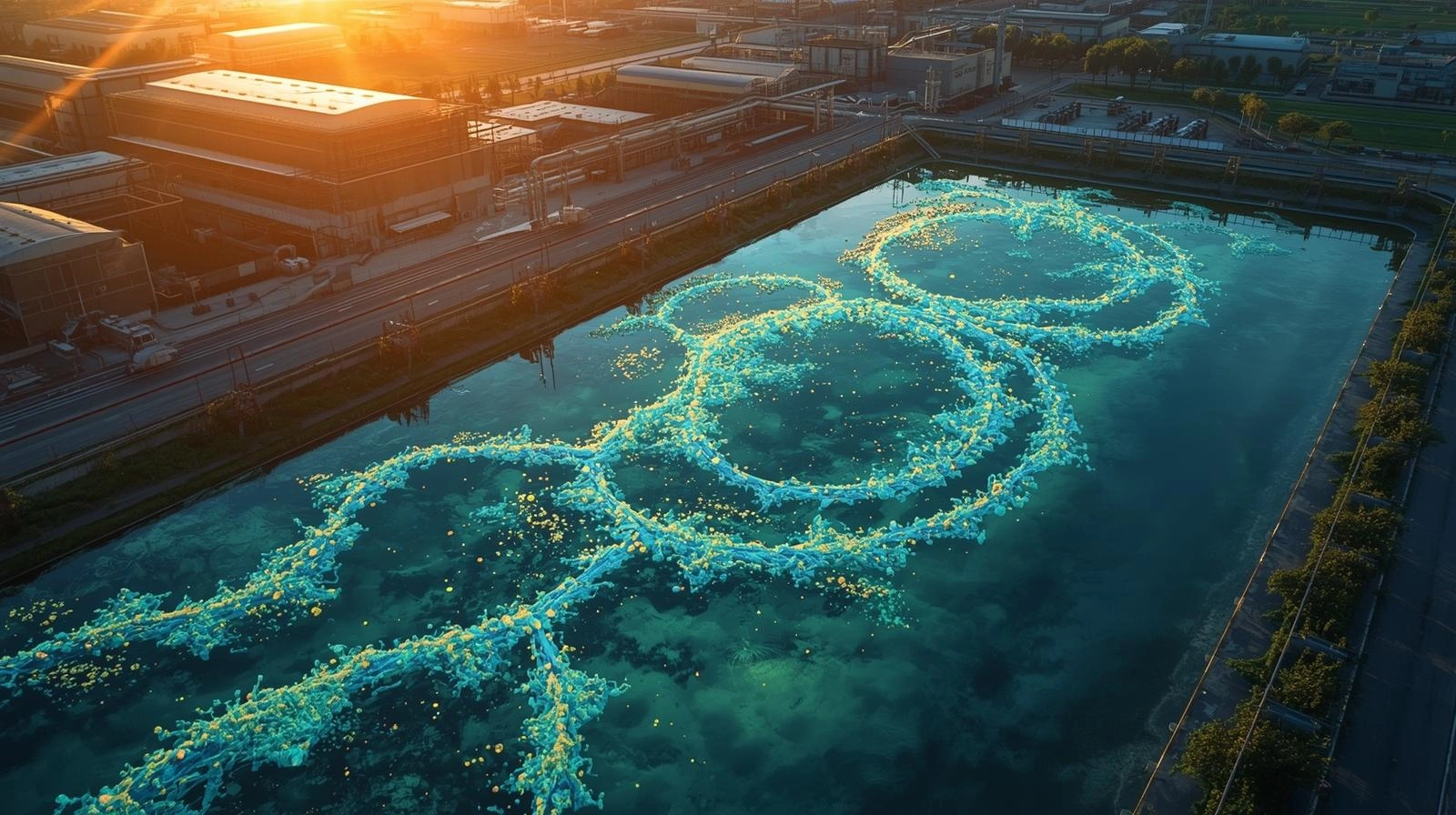
Tackling Rawalpindi’s Industrial Waste Challenge
How can Rawalpindi’s industries manage their growing waste problem without polluting the environment? The challenge is undeniable: industrial growth often comes hand-in-hand with environmental degradation. In Rawalpindi, a city known for its rapidly expanding industries, untreated industrial sludge has become a pressing issue. But what if there was a way to treat waste without leaving behind toxic sludge? Enter sludge-free bioremediation technology — a revolutionary solution that promises to clean up Rawalpindi’s industrial waste while safeguarding the environment.
In this post, we’ll explore how sludge-free bioremediation is transforming waste management in Rawalpindi. From the basics of bioremediation to real-world applications, we’ll show you how this technology is shaping the future of local industries.
What Is Sludge-Free Bioremediation?
Sludge-free bioremediation technology refers to processes that use living organisms, such as bacteria, fungi, or plants, to detoxify industrial waste without producing harmful by-products like sludge. Traditional waste treatment methods generate sludge, which requires disposal and often poses environmental risks. In contrast, sludge-free bioremediation focuses on breaking down pollutants into non-toxic substances, ensuring a cleaner and safer approach to waste management.
This technology can significantly improve Rawalpindi’s industrial waste management by reducing the environmental footprint, minimizing hazardous waste, and offering a cost-effective solution for industries struggling with waste disposal.
Why Do Rawalpindi’s Industries Need Sludge-Free Bioremediation?
What Problems Do Rawalpindi’s Industries Face with Waste Management?
Rawalpindi is home to a diverse range of industries, from textiles to manufacturing. These industries generate large volumes of waste, including heavy metals, chemicals, and organic contaminants. Conventional waste treatment methods often leave behind sludge that must be handled and disposed of properly. This sludge can be harmful to the environment, requiring costly treatments and disposal solutions.
For industries in Rawalpindi, the stakes are high. Improper waste management not only harms the local environment but can also lead to regulatory fines, community health concerns, and tarnished reputations. In many cases, companies face the dilemma of complying with stringent environmental regulations while managing their waste economically.
How Sludge-Free Bioremediation Addresses These Issues
Sludge-free bioremediation presents an elegant solution. By harnessing the power of nature’s microorganisms, this technology breaks down harmful pollutants into harmless substances without leaving behind the waste byproducts that traditional methods generate. This reduces the burden on local landfills and treatment facilities and prevents the risk of contaminating water sources.
For industries in Rawalpindi, adopting sludge-free bioremediation can ensure compliance with environmental regulations while minimizing the cost and logistical challenges associated with traditional waste management practices.
How Does Sludge-Free Bioremediation Work?
What Are the Key Processes in Sludge-Free Bioremediation?
The process of sludge-free bioremediation involves several key steps that work together to degrade industrial pollutants:
- Microbial Treatment: Beneficial microorganisms, such as bacteria and fungi, are used to break down pollutants. These microorganisms digest the contaminants and convert them into non-toxic byproducts, such as carbon dioxide and water.
- Bioventing or Bioreactors: In some cases, industries use bioreactors or bioventing systems to encourage the growth of microorganisms in a controlled environment. These systems optimize the conditions for microbial activity, speeding up the detoxification process.
- Phytoremediation: This method uses plants to absorb and neutralize pollutants from the soil or water. Some plants can take up harmful substances like heavy metals, rendering them safe for disposal.
Pro Tips for Implementing Bioremediation in Your Industry
- Understand Your Waste: Different industrial wastes require different bioremediation approaches. Conduct thorough testing to understand the composition of your waste before choosing the appropriate treatment.
- Partner with Experts: Implementing sludge-free bioremediation successfully requires expertise in microbiology, environmental science, and waste management. Work with consultants who can tailor a solution for your specific needs.
- Optimize Environmental Conditions: Microbial and plant-based treatments require specific conditions (temperature, moisture, pH). Ensuring the right environment can maximize the effectiveness of bioremediation.
What Are the Benefits of Sludge-Free Bioremediation for Rawalpindi’s Industries?
How Does Sludge-Free Bioremediation Benefit Rawalpindi’s Industrial Sector?
Adopting sludge-free bioremediation offers several key advantages for industries in Rawalpindi:
- Cost-Effective: Traditional waste treatment methods, like incineration or chemical treatment, can be expensive due to the need for energy, chemicals, and sludge disposal. Bioremediation, on the other hand, often costs less and requires fewer resources.
- Eco-Friendly: By preventing the creation of sludge, bioremediation reduces the environmental impact of waste management. This helps industries comply with government regulations and contribute to a greener future.
- Enhanced Compliance: With stricter environmental regulations in Pakistan, industries face the pressure of meeting government standards for waste management. Sludge-free bioremediation ensures compliance with local laws without the need for expensive, complex treatments.
- Improved Public Image: Companies that adopt eco-friendly practices gain positive recognition from the public and stakeholders. In a city like Rawalpindi, where environmental concerns are on the rise, being an environmentally responsible business can give you a competitive edge.
Real-World Applications of Sludge-Free Bioremediation in Rawalpindi
How Are Local Industries Benefiting from Bioremediation?
Several industries in Rawalpindi are already implementing sludge-free bioremediation with great success. Here are a few examples:
- Textile Industry: The textile sector is one of the largest contributors to industrial waste in Rawalpindi. By using microbial bioreactors, some textile manufacturers have successfully reduced chemical waste, including dyes and solvents, without generating harmful sludge. This not only reduces the cost of waste disposal but also ensures compliance with environmental standards.
- Pharmaceutical Industry: The pharmaceutical industry in Rawalpindi produces significant amounts of chemical waste. Companies are using bioremediation techniques to treat solvents, pharmaceuticals, and heavy metals. By introducing specialized bacteria into wastewater, they break down harmful compounds, making the water safe for release back into the environment.
- Chemical Manufacturing: Chemical plants in Rawalpindi have started incorporating phytoremediation strategies. Certain plants are used to absorb hazardous substances like heavy metals, making the process both sustainable and effective. This technology is cost-efficient and can handle a wide range of pollutants.
What Are the Challenges of Implementing Sludge-Free Bioremediation?
What Barriers Do Industries Face When Adopting Bioremediation?
Despite its advantages, sludge-free bioremediation presents several challenges that Rawalpindi’s industries must navigate:
- Lack of Awareness: Many industries are still unfamiliar with the benefits and processes of bioremediation. Without proper knowledge, they may resist making the switch, preferring traditional methods they are more comfortable with.
- Upfront Investment: While bioremediation can save money in the long run, the initial investment in equipment, technology, and training can be a barrier for some businesses.
- Slow Adoption of New Technology: Some industries may find it difficult to adapt to newer technologies, especially when existing systems are already in place. Convincing stakeholders to embrace change can be a significant hurdle.
How to Overcome These Challenges
- Educate and Train: Offering workshops, seminars, and training sessions on the benefits and techniques of bioremediation can help raise awareness among industry leaders.
- Government Support: Advocating for government incentives or subsidies can help offset the initial costs of adopting bioremediation technologies.
- Pilot Programs: Start with small-scale pilot programs to demonstrate the effectiveness and cost savings of bioremediation before full-scale implementation.
Conclusion: The Future of Sludge-Free Bioremediation in Rawalpindi
The potential of sludge-free bioremediation technology to revolutionize industrial waste management in Rawalpindi is immense. By offering a cost-effective, eco-friendly solution, industries can tackle waste management challenges while staying compliant with environmental regulations. As more companies begin to realize the benefits of bioremediation, we can expect a cleaner, greener industrial landscape in Rawalpindi.
If you’re a business owner or manager in Rawalpindi looking to reduce your environmental footprint and improve waste management, it’s time to consider adopting sludge-free bioremediation. Take the first step today by consulting with experts and exploring pilot programs tailored to your industry.
FAQ Section
1. What is sludge-free bioremediation technology?
Sludge-free bioremediation is a waste treatment process that uses microorganisms or plants to break down pollutants into harmless substances, without producing toxic sludge as a byproduct.
2. How does sludge-free bioremediation work?
It works by using beneficial microorganisms or plants to degrade industrial pollutants into non-toxic substances like carbon dioxide and water, offering a cleaner alternative to traditional waste management methods.
3. What are the benefits of adopting sludge-free bioremediation?
Key benefits include cost savings, eco-friendliness, regulatory compliance, and improved public image, as it reduces waste and pollution without generating harmful byproducts.
4. Can industries in Rawalpindi implement sludge-free bioremediation?
Yes, industries in Rawalpindi, particularly textiles, pharmaceuticals, and chemicals, can implement sludge-free bioremediation technologies to reduce waste and meet environmental standards.
5. What challenges do businesses face when adopting bioremediation?
Common challenges include a lack of awareness, high initial investment, and resistance to adopting new technologies. However, these challenges can be overcome through education, government incentives, and pilot programs.
6. Is bioremediation more cost-effective than traditional waste management?
Yes, bioremediation often costs less than traditional methods like incineration or chemical treatments, as it requires fewer resources and eliminates the need for sludge disposal.
7. How can I get started with sludge-free bioremediation in my business?
Start by consulting with environmental experts who can assess your waste and recommend appropriate bioremediation solutions. Consider pilot projects to test the effectiveness of the technology before full-scale implementation.