
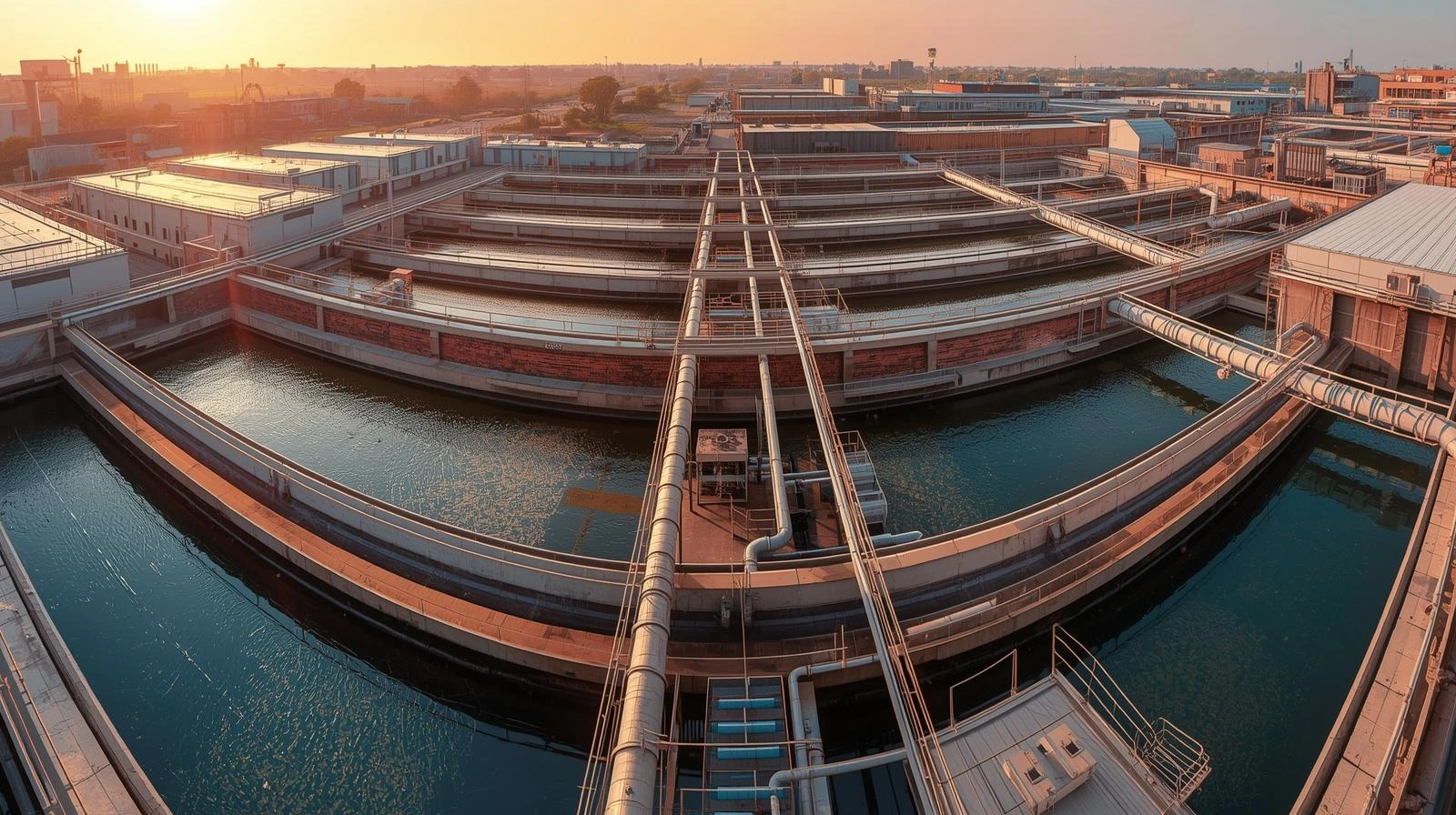
Have you ever wondered where the wastewater from Lahore’s bustling industries goes?
Factories in the city contribute significantly to the pollution levels in both land and water, with untreated wastewater being a major issue. This environmental challenge is not just harmful to public health but also to the future sustainability of the region’s industries. However, there’s a silver lining—innovative wastewater treatment systems are offering a lifeline for Lahore’s factories. In this blog post, we’ll explore the evolving trends and solutions in wastewater treatment systems in Lahore, focusing on the need for innovation and what it means for businesses looking to stay ahead of environmental regulations.
The Growing Wastewater Problem in Lahore
Lahore, the economic hub of Pakistan, is home to hundreds of industrial factories. From textile mills to food processing plants, these industries generate large amounts of wastewater. Unfortunately, much of this wastewater is released into the city’s water bodies without proper treatment. According to a study by the Punjab Environment Protection Department, Lahore’s industrial wastewater is one of the leading causes of pollution in the Ravi River. Without effective treatment, harmful chemicals and pathogens can contaminate drinking water, endangering both public health and the environment.
This has prompted factories in Lahore to seek innovative solutions that not only comply with regulations but also align with the global push toward sustainability.
What Will You Learn?
In this blog post, you will:
- Understand the importance of innovative wastewater treatment systems in Lahore.
- Discover real-world examples of factories adopting cutting-edge treatment technologies.
- Learn how wastewater treatment can help factories meet environmental regulations while boosting operational efficiency.
- Explore actionable insights on choosing the right treatment systems for your business.
Let’s dive into the challenges and solutions surrounding wastewater treatment in Lahore.
What Are the Most Common Wastewater Treatment Challenges in Lahore’s Factories?
Wastewater treatment in Lahore faces several key challenges, especially for industrial sectors. Here’s a breakdown of the most pressing issues:
High Pollution Load
Many factories discharge wastewater with high pollutant concentrations. For instance, textile mills often release water contaminated with dyes, chemicals, and heavy metals. The high pollution load makes treatment more complex, requiring advanced technologies.
Outdated Treatment Infrastructure
In many industrial areas, wastewater treatment plants are either outdated or nonexistent. The lack of proper infrastructure means that untreated wastewater is often dumped into nearby rivers, creating long-term environmental damage.
Regulatory Compliance
While environmental regulations are becoming stricter, many factories in Lahore are struggling to comply due to the high costs and complexity of implementing modern treatment systems. The pressure to comply with the Punjab Environmental Protection Department’s standards for wastewater treatment is growing, but it remains a significant challenge for businesses.
Pro Tip: Investing in an updated wastewater treatment system not only ensures compliance but can improve a factory’s sustainability efforts, reducing fines and improving community relations.
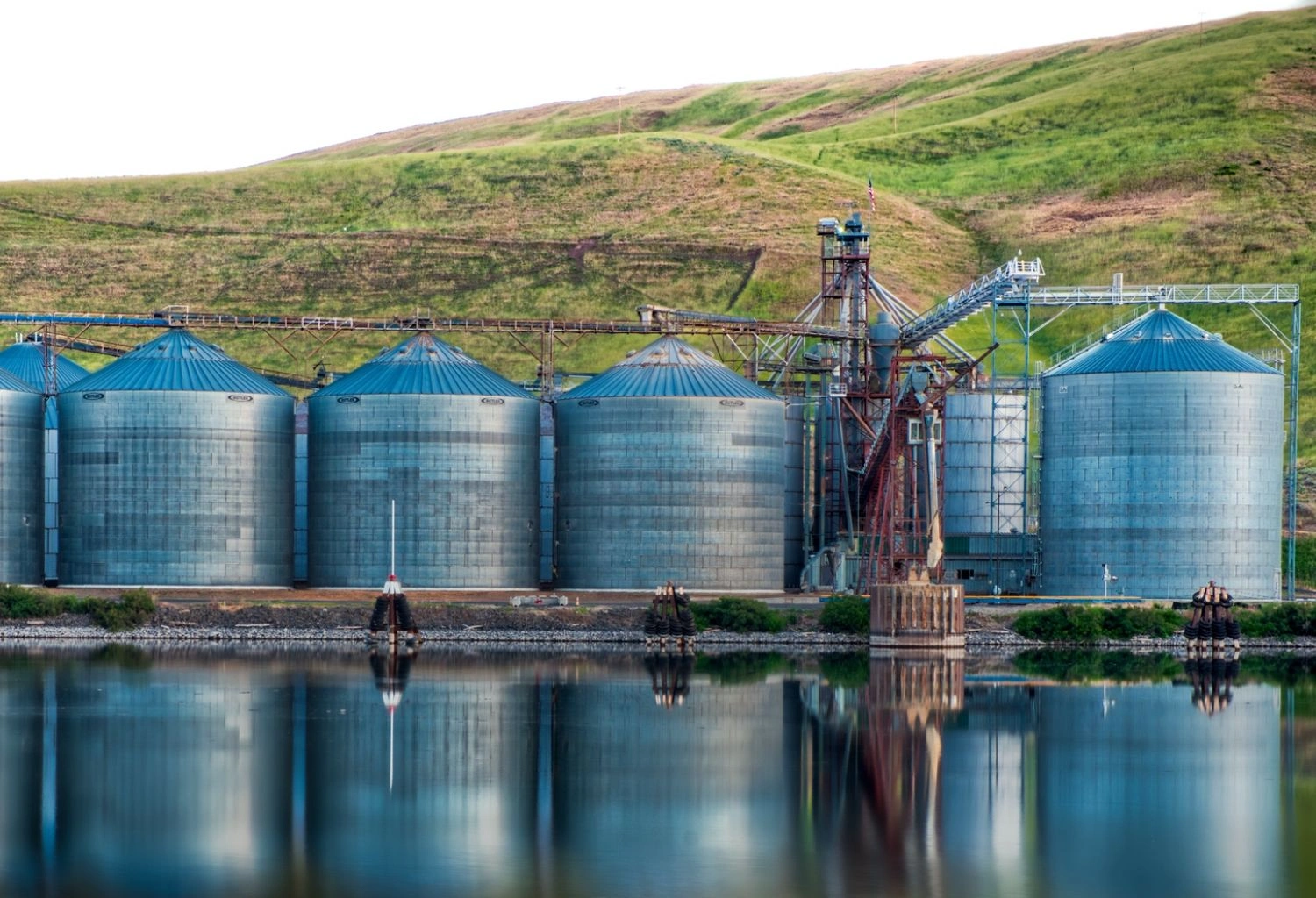
Wastewater Treatment System
How Can Lahore’s Factories Benefit from Innovative Wastewater Treatment Systems?
Adopting innovative wastewater treatment systems presents a myriad of benefits for factories in Lahore, ranging from regulatory compliance to improved operational efficiency. Let’s explore how modern systems can offer sustainable solutions:
Reduced Environmental Footprint
The primary benefit of using innovative wastewater treatment systems is the reduction in environmental pollution. Advanced systems such as membrane bioreactors (MBRs) and reverse osmosis (RO) units can remove contaminants effectively, ensuring cleaner water and reduced environmental harm. For instance, a textile factory in Lahore recently installed a reverse osmosis system that reduced its chemical waste discharge by over 60%, dramatically improving the water quality.
Cost Savings in the Long Run
While the initial investment in innovative systems might seem high, the long-term cost savings can outweigh these expenses. For example, modern systems often allow for water reuse in industrial processes, reducing the need for fresh water, which in turn lowers water costs for factories.
Expert Insight: According to a 2024 report by the Lahore Waste Management Company, factories that implemented advanced water treatment systems saw a 15-20% reduction in water usage, leading to considerable savings on utility bills.
Increased Operational Efficiency
An efficient wastewater treatment system ensures smooth factory operations by preventing waterborne issues, which could disrupt production. By removing harmful contaminants early, factories experience fewer production delays and interruptions, leading to better overall performance.
Improved Corporate Reputation
Today’s customers are more eco-conscious, and companies that invest in sustainable practices stand out. Factories in Lahore that adopt innovative wastewater treatment solutions not only comply with regulations but also boost their brand image by showcasing their commitment to environmental stewardship.
What Are the Latest Trends in Wastewater Treatment Technologies in Lahore?
Wastewater treatment technologies are evolving rapidly, and Lahore’s industrial sector is starting to embrace these innovations. Here are some of the latest trends in wastewater treatment:
Membrane Bioreactors (MBR)
Membrane bioreactors are gaining popularity for treating industrial wastewater because they combine biological treatment and membrane filtration in one process. MBR systems offer superior removal of suspended solids and contaminants compared to traditional methods, making them ideal for Lahore’s factories.
Advanced Oxidation Processes (AOPs)
AOPs are being used to treat industrial effluents that contain hazardous chemicals. These processes use highly reactive molecules to break down contaminants. Factories in Lahore dealing with chemicals and pharmaceuticals are increasingly turning to AOPs for effective treatment.
Zero Liquid Discharge (ZLD)
Zero liquid discharge (ZLD) systems are another groundbreaking innovation gaining traction in Lahore. ZLD technology allows factories to treat wastewater to a level where no liquid waste is discharged, and all water is either reused or converted into solid waste. This can be especially beneficial for factories with high water usage, such as food processing plants.
Pro Tip: Before selecting a treatment system, ensure it aligns with your factory’s specific wastewater characteristics and local environmental regulations.
What Are Some Real-World Examples of Lahore Factories Using Innovative Wastewater Treatment?
Several factories in Lahore have already implemented cutting-edge wastewater treatment systems, setting a precedent for others to follow. Let’s take a look at a few examples:
Example 1: Textile Factory Adopting Membrane Bioreactor Technology
A textile manufacturing unit in Lahore adopted membrane bioreactor (MBR) technology to treat its wastewater, which was heavily polluted with dyes and chemicals. The MBR system not only helped the factory meet environmental discharge standards but also allowed them to recycle water for other processes, reducing overall water usage by 40%. This resulted in significant cost savings on both water and treatment chemicals.
Example 2: Food Processing Plant Using Zero Liquid Discharge
A food processing plant in Lahore recently installed a Zero Liquid Discharge (ZLD) system to treat its wastewater. This system processes the water to ensure that no liquid waste is discharged, and all the water is either reused within the plant or converted into solid waste for disposal. The plant has seen a drastic reduction in wastewater disposal costs and has positioned itself as a leader in sustainability within the food industry.
Example 3: Pharmaceutical Factory Implementing Advanced Oxidation Processes (AOP)
A pharmaceutical factory in Lahore, which had long struggled with hazardous effluent, recently integrated an Advanced Oxidation Process (AOP) to break down complex organic compounds. This solution has allowed the factory to meet stringent environmental regulations while improving the safety of the effluent being released into the local water systems.
How Can Factories Choose the Right Wastewater Treatment System?
Choosing the right wastewater treatment system can be daunting, but with the right approach, it’s manageable. Here are the key factors factories in Lahore should consider:
1. Wastewater Characteristics
Understand the specific contaminants in your wastewater. Factories dealing with heavy metals, oils, or chemicals require different treatment solutions compared to those with organic waste.
2. Regulatory Requirements
Always stay updated on local and international regulations. Ensure the system you select complies with the Punjab Environmental Protection Department’s standards.
3. Cost vs. Benefit
Evaluate the initial investment and the long-term savings. Some systems, like MBRs, may have high upfront costs but provide significant savings through water reuse and chemical reductions.
4. Maintenance and Technical Support
Choose a system that comes with strong technical support and easy-to-maintain components. The more complex the system, the more important it is to have reliable support.
Pro Tip: Consider partnering with local wastewater treatment solution providers who can offer tailored advice based on your factory’s specific needs.
Conclusion
The need for innovative wastewater treatment systems in Lahore’s factories has never been more urgent. With growing environmental concerns and stricter regulations, adopting modern treatment technologies is the key to long-term sustainability. From reducing pollution to boosting operational efficiency, the benefits of advanced systems are clear. By staying ahead of the curve, Lahore’s industries can not only meet regulatory standards but also improve their bottom lines and corporate reputations.
Take action today: invest in an innovative wastewater treatment system and position your factory as a leader in sustainability.
Frequently Asked Questions
1. What is an innovative wastewater treatment system?
An innovative wastewater treatment system uses advanced technologies like membrane bioreactors (MBR), reverse osmosis, and Zero Liquid Discharge (ZLD) to effectively treat and recycle industrial wastewater.
2. How does wastewater treatment help factories reduce costs?
Wastewater treatment systems allow factories to recycle water, reducing the need for fresh water and lowering disposal costs. This can lead to significant savings in utilities.
3. Why are membrane bioreactors (MBR) used in wastewater treatment?
MBRs combine biological treatment and membrane filtration, allowing for efficient removal of contaminants, especially in industries like textiles where wastewater is heavily polluted.
4. Are there any government regulations regarding wastewater treatment in Lahore?
Yes, the Punjab Environmental Protection Department has stringent regulations for wastewater treatment to reduce pollution. Factories must comply to avoid penalties.
5. Can innovative wastewater treatment systems improve a factory’s public image?
Absolutely! Adopting sustainable wastewater treatment systems demonstrates a commitment to environmental responsibility, which can improve your factory’s brand image among consumers and regulators.
6. How much does it cost to install an innovative wastewater treatment system?
Costs vary depending on the system type and the specific wastewater characteristics of your factory. However, the long-term savings on water and chemical usage often offset the initial investment.
7. Is it necessary for all factories to invest in advanced wastewater treatment systems?
Yes, as environmental regulations tighten, investing in modern wastewater treatment systems is becoming essential for factories to stay compliant and maintain sustainability.