
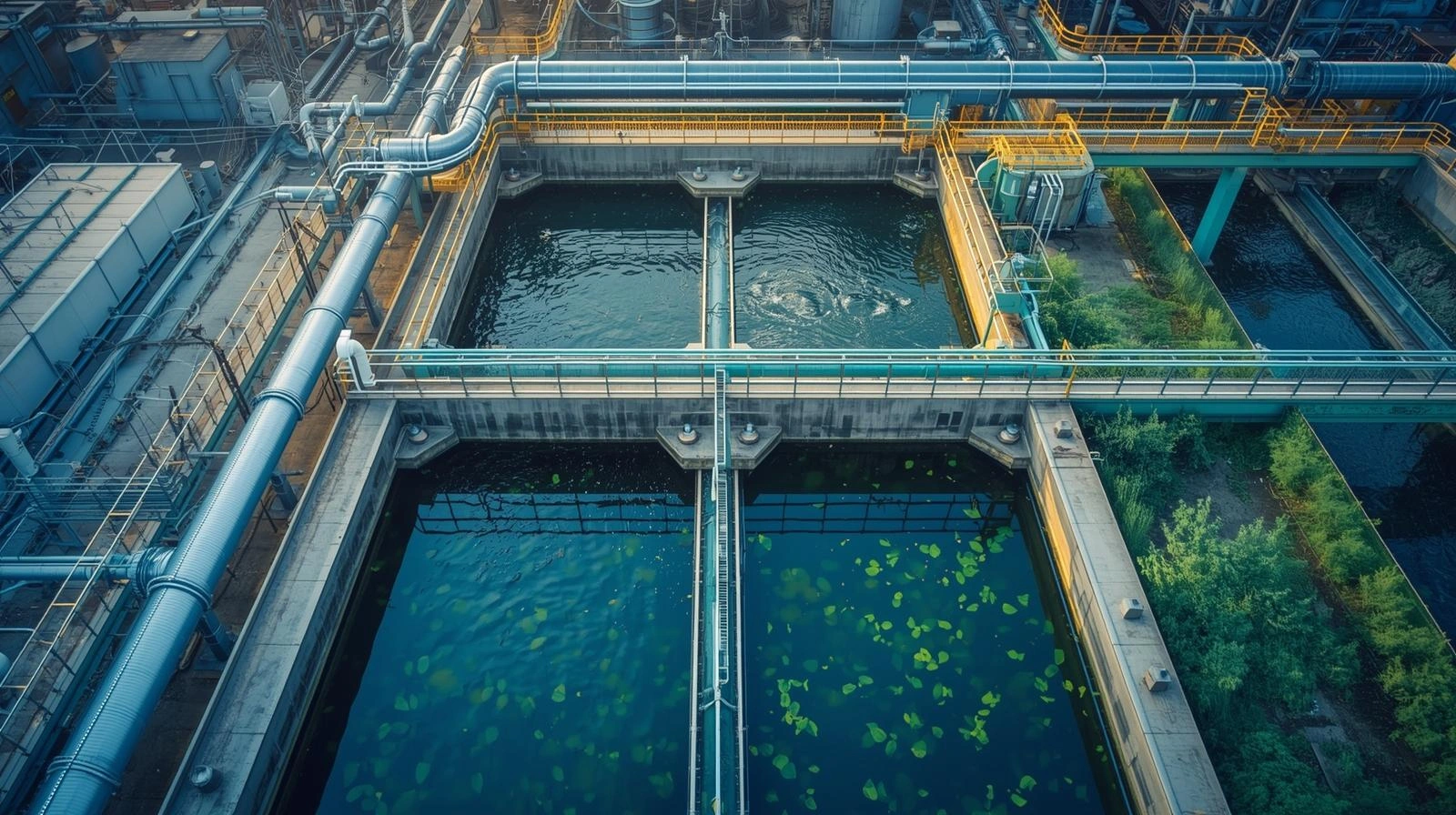
How can Lahore’s industrial sector tackle its growing wastewater management challenges?
In Lahore, as industrial activities continue to expand, wastewater management is becoming an urgent issue for businesses. The rapid increase in water demand, coupled with inadequate treatment facilities, has led to contamination of water bodies and significant environmental degradation. If left unchecked, these problems could jeopardize both public health and industrial sustainability.
The good news? A range of innovative wastewater systems is emerging, offering practical, scalable solutions for industries in Lahore. These systems not only ensure compliance with environmental regulations but also contribute to operational efficiency and resource conservation. In this article, we’ll explore how industries in Lahore are embracing these cutting-edge water treatment technologies, the benefits they bring, and real-world examples of successful implementation.
Why is Wastewater Management Critical for Lahore Industries?
Wastewater management is a growing concern for industries in Lahore due to the city’s rapid industrialization and the consequent rise in water pollution. Lahore, one of the largest urban centers in Pakistan, faces severe challenges in managing industrial effluents that often contain toxic chemicals, heavy metals, and untreated organic matter. These pollutants pose a risk to public health, the environment, and the long-term viability of industrial operations.
Environmental Regulations and Compliance:
Lahore’s industries are under increasing pressure from local authorities to meet stringent wastewater treatment standards. Non-compliance can lead to heavy fines, business shutdowns, or environmental lawsuits. The need for efficient wastewater systems has never been more pressing, as industries must not only stay compliant but also minimize their environmental footprint.
Resource Efficiency:
Water scarcity is another challenge that Lahore faces. Many industries rely on groundwater and local water sources, which are becoming increasingly depleted. Innovative wastewater systems can help industries recycle water, reducing their dependence on external sources and contributing to long-term water sustainability.
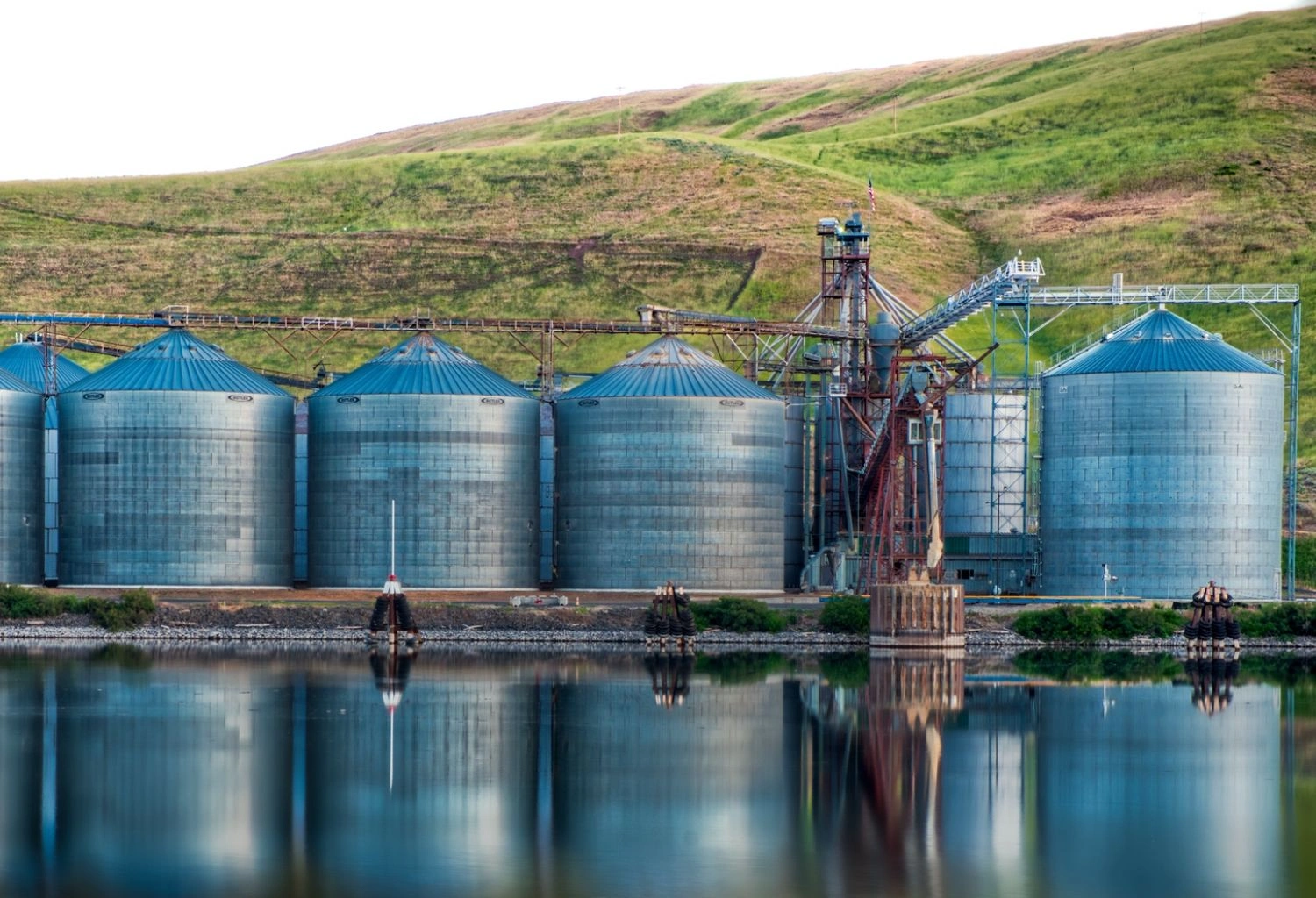
Wastewater Treatment System
How Can Innovative Wastewater Systems Benefit Lahore’s Industries?
Adopting innovative wastewater systems provides numerous benefits to Lahore’s industries, ranging from improved operational efficiency to enhanced environmental stewardship. These systems offer much more than just compliance—they help companies cut costs, reduce environmental impact, and foster a reputation as responsible corporate citizens.
- Cost Savings Through Water Recycling and Reuse
Water reuse systems help industries recycle their wastewater for non-potable purposes like cooling, cleaning, or irrigation. For instance, a textile factory in Lahore can recycle 80-90% of its wastewater, drastically reducing its water bills. By reusing water, industries cut operational costs and ease the strain on public water supplies. - Regulatory Compliance and Reduced Fines
Modern wastewater treatment systems ensure that industries meet the stringent environmental regulations set by authorities. These systems use advanced filtration, biological treatment, and chemical processes to treat industrial effluents, ensuring they meet or exceed required quality standards. - Environmental Protection and Corporate Social Responsibility (CSR)
Sustainable wastewater management protects natural water sources from contamination. Lahore’s industries are also realizing the importance of environmental protection in building brand reputation and attracting eco-conscious consumers and investors.
What Are the Key Technologies Behind Innovative Wastewater Systems?
The wastewater systems revolutionizing Lahore’s industries rely on a combination of advanced technologies designed to treat industrial effluents effectively. Some of the most impactful technologies include:
- Membrane Bioreactors (MBR):
Membrane bioreactors combine biological treatment with membrane filtration, providing high-quality effluent suitable for reuse in industrial processes. The system is compact, efficient, and ideal for industries with limited space, such as pharmaceutical or food processing factories. - Reverse Osmosis (RO) Systems:
Reverse Osmosis technology is widely used in industries that need to produce high-purity water, especially in sectors like textiles, food processing, and pharmaceuticals. RO systems remove dissolved solids, bacteria, and other contaminants, making the water safe for reuse or discharge. - Constructed Wetlands:
For industries seeking an eco-friendly solution, constructed wetlands provide a natural way to treat wastewater. These systems use plants, soil, and microorganisms to filter pollutants and provide a low-maintenance, sustainable alternative to traditional treatment methods. - Electrocoagulation (EC):
Electrocoagulation is a cutting-edge technology for treating wastewater that removes suspended solids, oils, and heavy metals. It is particularly beneficial for industries like oil and gas, where conventional treatment methods are less effective.
Can Wastewater Treatment Help Lahore’s Industries Conserve Water?
Water conservation is a critical issue in Lahore, especially for industries that consume large amounts of water. Wastewater treatment systems enable companies to recycle and reuse water, thus reducing their reliance on freshwater sources. This is particularly important for industries like textiles, paper, and pharmaceuticals, which require significant amounts of water in their operations.
For example, a textile factory in Lahore implemented a closed-loop water recycling system, which allowed them to reuse up to 90% of the water used in their production processes. Not only did this reduce the factory’s water consumption, but it also helped cut down on the energy costs associated with water heating and cooling.
Pro Tip:
Industries considering wastewater treatment systems should conduct a water audit to identify areas where water usage can be reduced or recycled. With the right system in place, significant cost savings and water conservation can be achieved.
What Are the Real-World Examples of Successful Wastewater Management in Lahore?
Several industries in Lahore are already leading the way with innovative wastewater management solutions, achieving impressive results. Here are a few examples:
Case Study 1: Textile Industry
A leading textile manufacturer in Lahore faced escalating water usage costs and stringent environmental regulations. After installing a state-of-the-art Membrane Bioreactor (MBR) system, the company reduced its water consumption by 85% and achieved 95% water recycling efficiency. This system not only helped the company meet regulatory standards but also cut costs significantly.
Case Study 2: Food Processing Sector
A food processing plant in Lahore implemented a Reverse Osmosis (RO) system to treat wastewater generated during the manufacturing process. By doing so, the plant was able to recycle water for use in non-production activities, reducing its need for fresh water and lowering operational expenses. The plant’s commitment to sustainability also earned it recognition in environmental forums, boosting its corporate image.
Case Study 3: Pharmaceutical Manufacturing
A pharmaceutical manufacturing company in Lahore adopted an integrated electrocoagulation and biological treatment system. This allowed the company to treat and recycle its effluent effectively, ensuring compliance with environmental regulations and reducing its environmental impact. As a result, the company gained a competitive edge in the market by positioning itself as an eco-conscious business.
How Can Lahore’s Industries Ensure Long-Term Sustainability in Wastewater Management?
Long-term sustainability in wastewater management requires continuous monitoring, regular system upgrades, and employee training. Here are some actionable steps industries can take to ensure their wastewater treatment systems remain effective:
- Regular Monitoring and Maintenance:
Routine inspections and maintenance of wastewater systems are essential to ensure they continue to perform optimally. Automation and IoT (Internet of Things) solutions can help industries monitor their systems in real time, enabling quick responses to issues. - Employee Training:
Staff should be trained to operate and maintain the systems effectively. Knowledgeable employees are critical in ensuring that wastewater treatment systems are functioning at peak efficiency. - Innovate Continuously:
Technology evolves rapidly, and so do the standards for wastewater treatment. Keeping an eye on the latest advancements in wastewater technologies can help industries stay ahead of the curve and ensure long-term environmental compliance.
Conclusion
Lahore’s industries are increasingly recognizing the need for sustainable and innovative wastewater systems. By embracing modern wastewater treatment technologies such as Membrane Bioreactors, Reverse Osmosis, and Constructed Wetlands, companies can not only improve their operational efficiency and cut costs but also contribute to environmental preservation.
The shift towards innovative wastewater systems is not just about compliance; it’s about positioning your business as a leader in sustainability. The examples from Lahore’s textile, food processing, and pharmaceutical industries show that the benefits of implementing such systems are tangible and impactful.
Take Action: If you’re ready to modernize your wastewater management practices, start by researching the latest technologies available and consulting with industry experts who can guide you through the implementation process.
FAQ
1. What are wastewater systems, and why are they important for industries in Lahore?
Wastewater systems treat and manage the water used in industrial processes. They are essential for industries in Lahore to comply with environmental regulations, conserve water, and reduce pollution.
2. Can industries recycle their wastewater in Lahore?
Yes, industries in Lahore can recycle their wastewater using advanced systems like Membrane Bioreactors, Reverse Osmosis, and Electrocoagulation, which help minimize water consumption and reduce environmental impact.
3. How can businesses ensure their wastewater systems are effective?
Businesses should conduct regular monitoring, invest in system upgrades, and train employees to operate and maintain the systems efficiently.
4. What are the main benefits of using innovative wastewater systems?
Innovative wastewater systems help industries save costs, ensure regulatory compliance, reduce environmental pollution, and enhance their sustainability efforts.
5. How much water can industries in Lahore recycle using wastewater treatment systems?
Industries can recycle up to 90% of their wastewater, depending on the technology used, leading to significant reductions in water consumption and operational costs.
6. Are there eco-friendly wastewater management options in Lahore?
Yes, options like constructed wetlands provide an eco-friendly, sustainable approach to wastewater management, using natural processes to filter and treat water.
7. What industries in Lahore are leading in wastewater management?
Textile, food processing, and pharmaceutical industries in Lahore are adopting innovative wastewater systems and achieving remarkable success in reducing water consumption and environmental impact.