
Why Is Ultra-Pure Water Crucial for Green Hydrogen Production?
What Is Green Hydrogen?
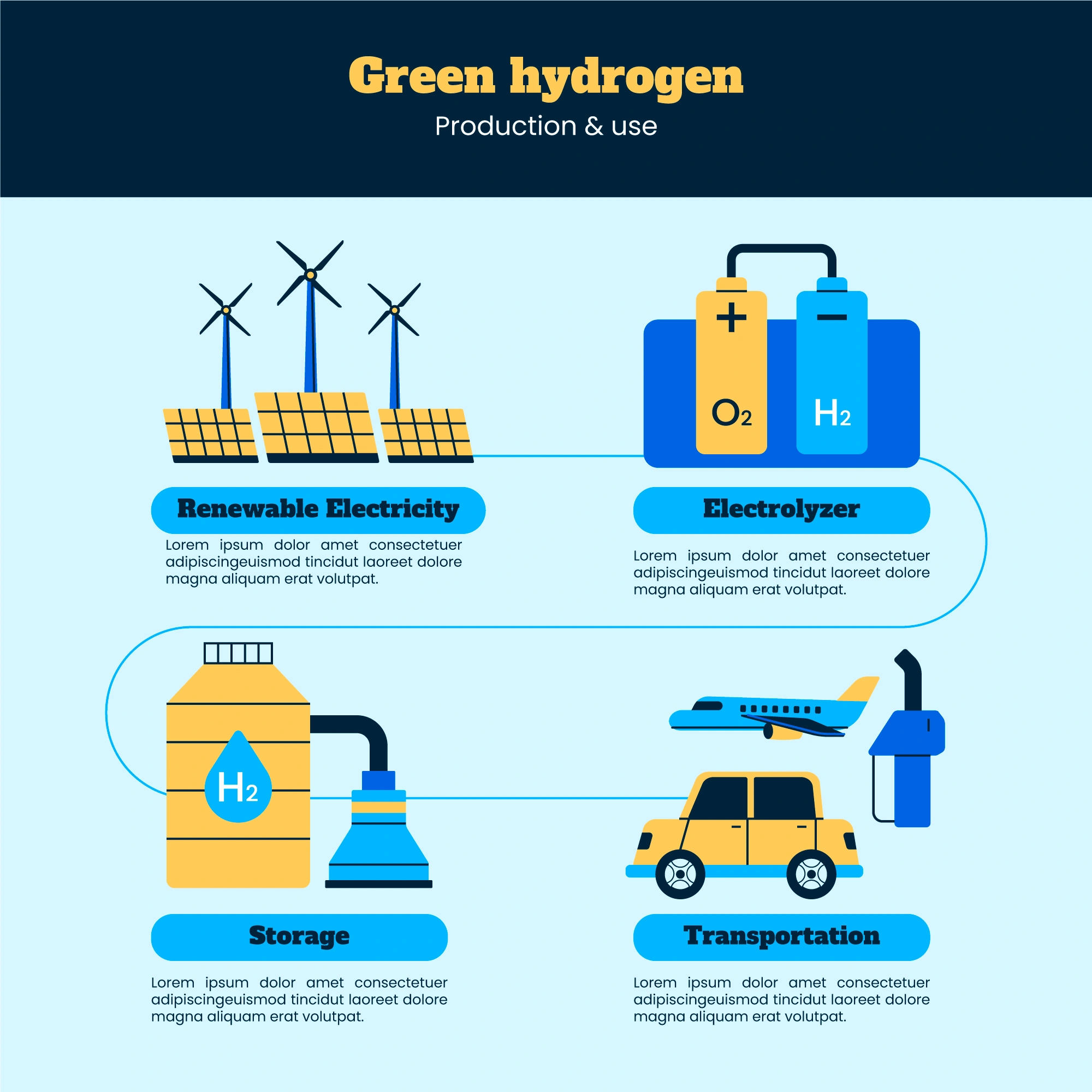
Green hydrogen is produced using renewable energy sources, such as wind, solar, or hydropower, to split water molecules (H2O) through a process called electrolysis. The result is hydrogen (H2) that can be stored and used as a clean energy source, with water as the only byproduct. This makes green hydrogen one of the most promising solutions for decarbonizing industries like transportation, heavy manufacturing, and even power generation.
The Role of Ultra-Pure Water in Electrolysis
In the process of electrolysis, electricity is used to separate water into hydrogen and oxygen. The water used in this process must be ultra-pure because even trace amounts of minerals, salts, or impurities can damage the electrolyzers, reducing efficiency and lifespan. Impurities like calcium, magnesium, and iron can form deposits inside the electrolyzer, leading to scale buildup and corrosion. To achieve the necessary water purity, water must undergo several filtration and deionization processes, making ultra-pure water a critical resource for green hydrogen production.
How Pakistan’s Water Supply Poses a Challenge for Green Hydrogen
Water Scarcity and Pollution in Pakistan
Pakistan faces significant water-related challenges, including scarcity, pollution, and inefficient distribution. The country’s per capita water availability has been decreasing for decades, and Pakistan is now classified as one of the most water-stressed countries in the world. Additionally, industrial and agricultural pollution has contaminated much of the country’s freshwater sources, making the task of producing ultra-pure water even more difficult.
In this context, sourcing the high-quality, demineralized water needed for green hydrogen production becomes a major hurdle. The existing water treatment infrastructure will need to undergo significant upgrades to meet these new demands.
The Potential Impact on Green Hydrogen Production in Pakistan
Given Pakistan’s water issues, there are concerns about the country’s ability to supply ultra-pure water for green hydrogen production. Without the proper purification and treatment systems, even the most ambitious green hydrogen projects could be hampered, delaying Pakistan’s efforts to become a leader in clean energy.
How Can Pakistan Overcome These Water Challenges?
Investing in Water Treatment Technology
To produce ultra-pure water, Pakistan must invest in advanced water treatment technologies. This includes reverse osmosis, electrodeionization, and distillation systems, which can remove dissolved solids and microorganisms from water to achieve the purity required for electrolysis. By upgrading and expanding these systems, Pakistan can ensure a reliable supply of high-quality water for its green hydrogen initiatives.
Collaboration with International Partners
Green hydrogen production is a global effort, and Pakistan has an opportunity to collaborate with countries that have advanced water treatment and hydrogen production technologies. Countries like Germany, Australia, and Saudi Arabia are already investing heavily in green hydrogen. By partnering with these nations, Pakistan can gain access to cutting-edge technologies and best practices in both water treatment and hydrogen production.
Developing a Circular Water Economy
One potential solution to Pakistan’s water challenges is the development of a circular water economy. This involves recycling wastewater and treating it to a standard suitable for industrial uses like green hydrogen production. The agricultural and industrial sectors can be key contributors to this process, especially in regions with abundant wastewater but limited freshwater resources.
By focusing on water reuse and recycling, Pakistan can reduce its dependence on freshwater resources, lowering the environmental impact of both its energy and industrial sectors.
Real-World Case Studies: Lessons for Pakistan
Case Study 1: Saudi Arabia’s Green Hydrogen Project
Saudi Arabia, one of the world’s leaders in green hydrogen development, has built a $5 billion green hydrogen facility in NEOM, powered by solar and wind energy. To meet the facility’s water needs, the project uses desalinated water from the Red Sea. The plant has invested heavily in advanced desalination technologies to ensure that the water used for electrolysis is ultra-pure.
Pakistan can learn from Saudi Arabia’s investment in water treatment technologies and consider the potential of desalination plants in coastal areas to provide ultra-pure water for green hydrogen production.
Case Study 2: The European Union’s Water Reuse Initiatives
The EU has implemented numerous water reuse initiatives, particularly in countries like Spain and the Netherlands, which face similar water scarcity challenges. The EU has focused on wastewater treatment and desalination to support its green hydrogen production efforts.
For Pakistan, the European model offers valuable lessons in utilizing wastewater and brackish water for industrial purposes. By improving its wastewater treatment infrastructure, Pakistan can create a sustainable water supply for green hydrogen without placing further strain on its already limited freshwater resources.
What Is the Future of Green Hydrogen in Pakistan?
Government Policies and Incentives
To ensure that green hydrogen becomes a viable energy source, Pakistan’s government must develop policies and incentives that support the development of both ultra-pure water systems and green hydrogen production facilities. This could include tax breaks for companies investing in advanced water treatment technologies or subsidies for renewable energy projects that use green hydrogen.
Private Sector Involvement
The private sector will play a critical role in green hydrogen’s success in Pakistan. Companies in the energy, water treatment, and technology sectors must come together to create scalable solutions for both green hydrogen production and water purification. By pooling resources and expertise, the private sector can accelerate Pakistan’s transition to a clean energy future.
Conclusion
The production of green hydrogen is a critical step toward Pakistan’s energy future, but it comes with significant challenges—particularly in securing a reliable supply of ultra-pure water. By investing in water treatment technologies, collaborating with international partners, and developing a circular water economy, Pakistan can overcome these hurdles and position itself as a leader in green hydrogen production.
Pakistan must act now to build the infrastructure required for green hydrogen, as the world’s energy sector transitions to cleaner, more sustainable solutions. With the right strategies, Pakistan can turn these challenges into opportunities for growth and environmental impact.
FAQ Section
1. Why is ultra-pure water necessary for green hydrogen production?
Ultra-pure water is needed in green hydrogen production because impurities in the water can damage the electrolyzers used in the process, reducing efficiency and lifespan.
2. How can Pakistan ensure a steady supply of ultra-pure water?
Pakistan can invest in advanced water treatment technologies like reverse osmosis, desalination, and electrodeionization to ensure a reliable supply of ultra-pure water for green hydrogen production.
3. Is desalination a feasible solution for Pakistan’s water needs?
Yes, desalination could be a feasible solution, especially in coastal areas. It would provide a source of ultra-pure water for green hydrogen production while reducing dependence on freshwater resources.
4. What role can wastewater recycling play in green hydrogen production?
Wastewater recycling can provide an additional source of water for green hydrogen production, especially in regions with limited freshwater resources. Pakistan could develop a circular water economy to maximize water use efficiency.
5. How can Pakistan collaborate internationally to improve its green hydrogen efforts?
Pakistan can collaborate with countries that have advanced green hydrogen and water treatment technologies, such as Germany and Saudi Arabia, to learn best practices and gain access to cutting-edge innovations.
6. How will green hydrogen benefit Pakistan’s energy sector?
Green hydrogen will help diversify Pakistan’s energy sources, reduce carbon emissions, and provide a clean energy alternative for industries like transportation, manufacturing, and power generation.
7. What are the long-term prospects of green hydrogen in Pakistan?
With the right investments in technology and infrastructure, green hydrogen can become a key part of Pakistan’s energy transition, positioning the country as a leader in clean energy in the region.