
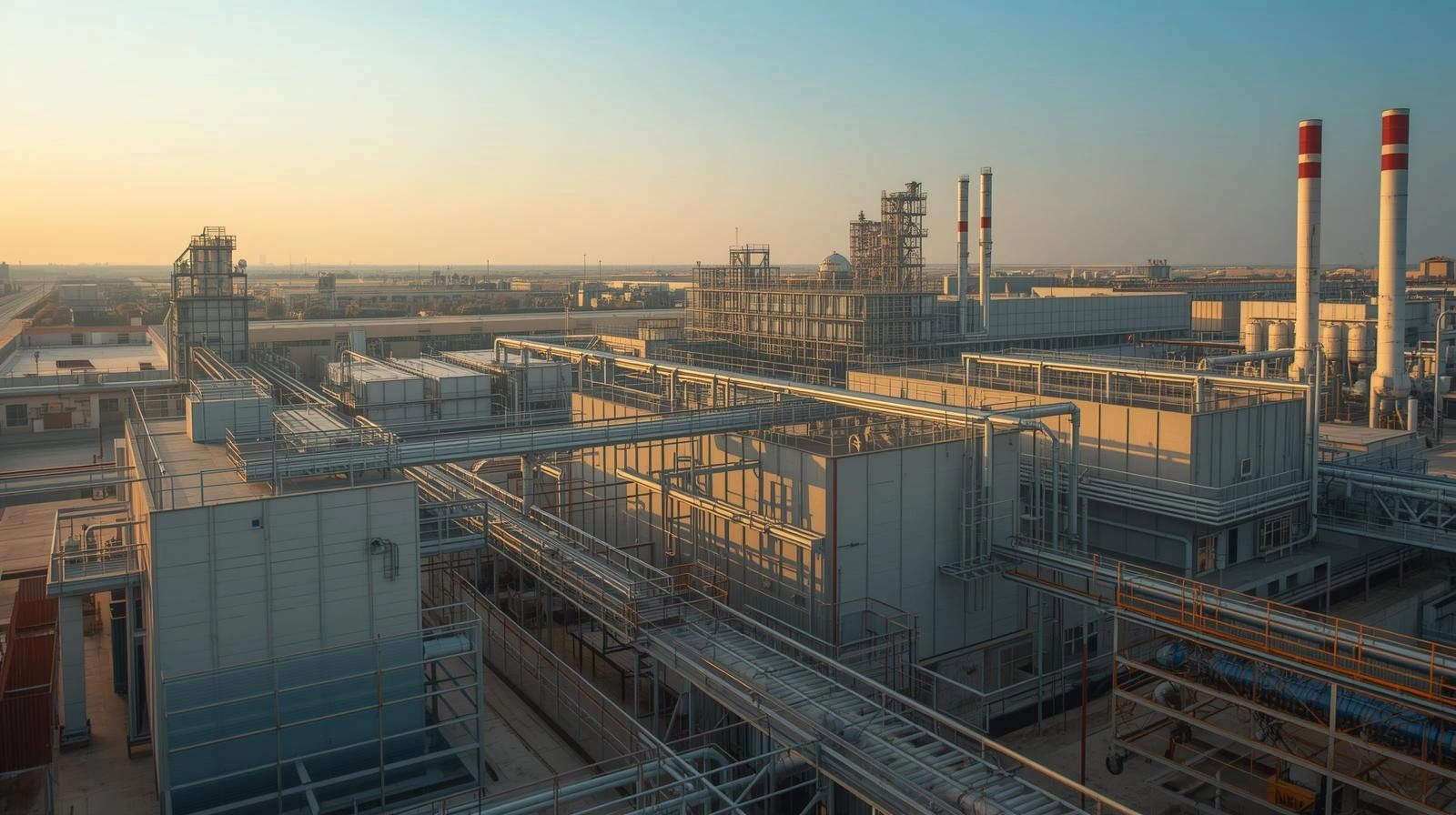
How much is wastewater treatment costing your industrial unit?
In a world where industrial production is at an all-time high, managing costs and adhering to environmental regulations has never been more crucial. For manufacturers in Faisalabad, Pakistan’s textile and industrial hub, the burden of wastewater treatment is a key expense—and it’s only increasing.
Energy-efficient effluent plants offer a breakthrough solution, not just in saving money, but in improving environmental impact and meeting compliance standards. In this post, we’ll dive into how adopting these plants is helping Faisalabad’s industrial units reduce their operational costs while staying eco-friendly. By the end, you’ll have a roadmap to improve your own bottom line while contributing to a greener future.
Why Are Energy-Efficient Effluent Plants Crucial for Faisalabad’s Industrial Sector?
What Are Energy-Efficient Effluent Plants, and Why Should You Care?
Energy-efficient effluent treatment plants (ETPs) are designed to clean industrial wastewater using less energy compared to traditional systems. By optimizing energy use in the treatment process, these plants reduce both electricity consumption and operational costs. In regions like Faisalabad, where industrialization is booming, the need for sustainable wastewater treatment solutions has never been higher.
The conventional wastewater treatment methods often consume large amounts of energy and resources, making them expensive to operate. However, energy-efficient ETPs use advanced technologies, such as membrane bioreactors, solar power integration, and energy recovery systems, to minimize energy use and costs. For industries in Faisalabad—such as textiles, pharmaceuticals, and food processing—this energy optimization directly translates into lower operational expenses, allowing businesses to remain competitive.
How Are Faisalabad’s Industrial Units Coping with Rising Costs?
In Faisalabad, the textile industry accounts for a significant portion of industrial output, and wastewater treatment is a major cost component. In fact, some reports indicate that the textile sector consumes around 60-70% of the total water used in the industrial sector. With rising energy prices and tighter environmental regulations, companies are under pressure to cut costs without sacrificing quality or compliance.
Enter energy-efficient effluent plants. These plants provide manufacturers with a way to not only save on energy but also reduce the burden of wastewater treatment costs, which can range from millions to billions of rupees annually, depending on the size of the operation. The adoption of energy-efficient systems offers a dual benefit: reducing environmental impact and lowering energy bills.
How Do Energy-Efficient Effluent Plants Contribute to Industrial Cost Reduction?
Energy-efficient effluent plants significantly reduce operational costs by optimizing energy consumption and lowering waste treatment expenses. Traditional wastewater treatment plants use a lot of energy for processes like aeration, filtration, and chemical treatment. However, energy-efficient systems incorporate features like:
- Energy Recovery: Using the energy from wastewater flow to power parts of the treatment process.
- Advanced Technologies: Incorporating methods such as membrane bioreactors and ozonation for cleaner results with less power.
- Automated Control Systems: Minimizing human intervention while ensuring energy use is minimized during peak hours.
Through these innovations, industries in Faisalabad can cut electricity costs by up to 40-50%, which makes a significant impact over time, especially for energy-intensive industries like textiles. By investing in these plants, businesses not only meet environmental standards but also achieve long-term cost savings.
Real-World Examples: Energy-Efficient Effluent Plants in Action
Case Study 1: The Textile Industry in Faisalabad
One of the largest textile manufacturers in Faisalabad recently installed an energy-efficient effluent plant that integrates solar panels to power part of its treatment process. The company, which processes thousands of liters of wastewater every day, was facing skyrocketing electricity bills. After implementing the new system, the company reduced its electricity consumption for wastewater treatment by 30%. This resulted in a reduction of around Rs. 2 million annually in operational costs.
The energy-efficient system also allowed the company to meet stricter environmental regulations imposed by the government, avoiding potential fines and improving its sustainability credentials. The initial investment in the system paid off in less than three years, and the company is now seeing consistent savings.
Case Study 2: Pharmaceutical Manufacturer’s Sustainable Shift
A pharmaceutical manufacturer in Faisalabad was struggling with both the high energy cost of their conventional effluent treatment plant and the growing pressure to reduce its carbon footprint. By switching to a high-efficiency effluent plant that uses membrane filtration technology, the company saw a 40% reduction in energy consumption. This innovation not only saved on electricity bills but also resulted in cleaner wastewater discharge, reducing the company’s environmental impact.
Moreover, the company was able to apply for green business certifications, which enhanced its market reputation and opened new avenues for international business partnerships.
Case Study 3: A Food Processing Facility’s Wastewater Management Transformation
A food processing facility in Faisalabad, a high-water usage sector, was facing both water scarcity and high energy consumption from its outdated effluent treatment system. The plant implemented an energy-efficient effluent treatment system that utilized both aeration optimization and energy recovery technology. This change resulted in a 35% reduction in their overall energy bills, which translated to significant cost savings.
Additionally, the facility reduced its water waste and improved the quality of the treated effluent, making it suitable for reuse in irrigation and other processes within the plant, further cutting down on operational costs.
What Are the Key Technologies Behind Energy-Efficient Effluent Plants?
How Do Membrane Bioreactors Optimize Energy Consumption?
Membrane bioreactors (MBRs) are a key technology in energy-efficient effluent plants. They integrate a biological treatment process with membrane filtration, which allows for more efficient treatment and water recovery. The advanced filtration system allows for better separation of solids and liquids, leading to higher-quality treated water and less energy consumption overall.
For industries like textiles and food processing in Faisalabad, MBR technology offers superior performance in terms of energy use and treatment efficiency, reducing the need for additional filtration processes.
What Role Does Solar Power Play in Reducing Energy Costs?
Many energy-efficient effluent plants are now incorporating solar power to further cut energy costs. Solar panels can be installed on-site to supply power for various plant operations, including water pumping, aeration, and chemical dosing. This renewable energy source not only reduces reliance on the grid but also helps industries meet sustainability goals.
By leveraging Faisalabad’s abundant sunlight, industries can generate clean energy to power wastewater treatment processes. This integration of solar power can reduce energy costs by up to 25%, making it an excellent investment for industrial units looking to further reduce their operating expenses.
How Does Energy Recovery Improve Efficiency?
Energy recovery systems capture the energy from the treated wastewater and reuse it for other processes. For instance, biogas recovery from sludge treatment can power the plant’s operations, reducing the need for external energy sources. These systems make the plant more self-sufficient and significantly reduce energy costs.
In Faisalabad, where industries face high energy prices, energy recovery systems provide an additional layer of savings by utilizing waste energy and making the treatment process more sustainable.
What Are the Financial and Environmental Benefits of Energy-Efficient Effluent Plants?
How Can Industrial Units Achieve Cost Savings and Stay Environmentally Compliant?
The most significant advantage of energy-efficient effluent plants is the reduction in both operational costs and environmental impact. Industries in Faisalabad are under increasing pressure to adhere to strict environmental regulations and sustainability goals. By switching to energy-efficient systems, businesses can lower their energy usage, reduce their carbon footprint, and avoid hefty fines for non-compliance with environmental standards.
Moreover, these plants improve water quality, allowing for the safe disposal or reuse of wastewater. In a region facing water scarcity, this is a particularly important benefit, enabling companies to conserve water and reduce their reliance on external sources.
What Are the Long-Term Savings?
The initial investment in energy-efficient effluent treatment technology may seem high, but the long-term savings outweigh the costs. Businesses can expect payback periods of 2-5 years, depending on the scale of the plant and the energy savings achieved. These savings continue year after year, leading to substantial long-term financial benefits.
Conclusion
Faisalabad’s industrial units are discovering the many financial and environmental benefits of energy-efficient effluent plants. With rising energy prices and stricter environmental regulations, transitioning to energy-efficient systems offers a sustainable solution that cuts costs while helping businesses stay compliant. By leveraging technologies like membrane bioreactors, solar power, and energy recovery, companies can achieve substantial savings—often recovering their investment within a few years.
If you’re ready to optimize your wastewater treatment and reduce operational costs, now is the time to consider energy-efficient effluent plants. Don’t let rising energy bills and regulatory pressure hinder your business growth. Embrace sustainability and innovation to unlock both financial and environmental success.
FAQs
1. What is the cost of installing an energy-efficient effluent plant in Faisalabad?
The cost depends on the size of the plant and the specific technologies used, but businesses can expect to recover their investment in 2-5 years due to energy savings.
2. How can energy-efficient effluent plants reduce energy consumption?
These plants use advanced technologies like membrane bioreactors and solar power integration to optimize energy use, reducing operational costs significantly.
3. Are there any government incentives for adopting energy-efficient effluent plants in Faisalabad?
Yes, there are government incentives and tax breaks for businesses that adopt eco-friendly technologies, which can help offset initial installation costs.
4. Can energy-efficient effluent plants improve water quality?
Absolutely. These systems not only reduce energy consumption but also improve the quality of treated water, making it safe for discharge or reuse in industrial processes.
5. How do energy-efficient effluent plants help businesses stay compliant with environmental regulations?
By reducing energy use and ensuring better treatment of wastewater, these plants help businesses meet environmental standards, avoiding fines and improving their sustainability credentials.