
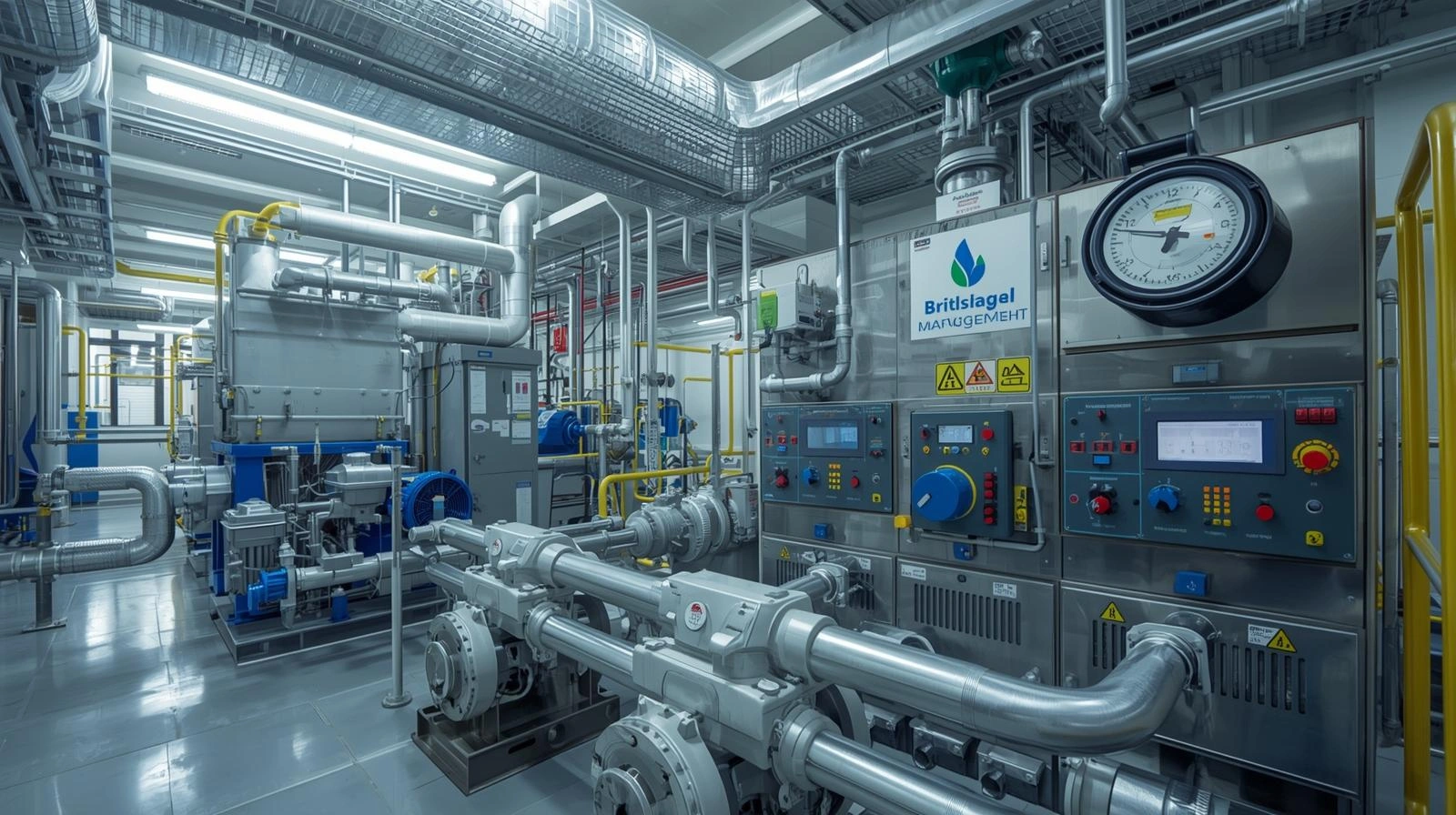
Solving the Energy-Intensive Wastewater Problem in Faisalabad
Have you ever wondered how much energy your plant wastes while managing industrial effluent? With environmental regulations tightening and energy costs soaring, effective effluent management in industrial plants has never been more important.
In Faisalabad, a thriving industrial hub known for its textile and manufacturing plants, energy consumption from wastewater treatment is a growing concern. While companies have been addressing environmental impacts, many are still using outdated, energy-intensive methods to treat industrial effluent.
The good news? There are energy-efficient solutions that not only lower operational costs but also improve sustainability, which can boost your plant’s reputation and bottom line. In this article, we’ll dive into these energy-efficient effluent management solutions, highlighting technologies and best practices specific to Faisalabad’s industrial landscape.
By the end, you’ll gain actionable insights into how to optimize your plant’s wastewater treatment, reduce energy consumption, and stay ahead in an increasingly competitive and regulated market.
What Is Energy-Efficient Effluent Management and Why Does It Matter?
Energy-efficient effluent management refers to the adoption of technologies and strategies that minimize energy consumption during the treatment of industrial wastewater. In a region like Faisalabad, where textile manufacturing and other industries produce large volumes of effluent, managing these resources efficiently is crucial for both environmental and financial health.
In traditional wastewater treatment methods, energy consumption can be substantial. Aeration processes, chemical dosing, and pumping systems often consume large amounts of electricity. However, with energy-efficient systems, plants can reduce these costs while also adhering to stricter environmental standards.
Why is Energy Efficiency Critical in Effluent Treatment?
In Faisalabad, where industries like textiles, dyeing, and pharmaceuticals are common, effluent management involves complex treatment procedures. According to a 2023 study by the Pakistan Environmental Protection Agency (PEPA), industrial effluent treatment in the country accounts for up to 30% of industrial energy consumption. For businesses looking to cut costs and reduce their environmental footprint, energy-efficient treatment systems present a significant opportunity.
Not only do these systems help in meeting regulatory standards, but they can also reduce operating expenses, improve plant performance, and lead to long-term sustainability.
How Can Industrial Effluent Treatment Be Made More Energy-Efficient?
Implementing energy-efficient industrial effluent treatment solutions is a multifaceted approach. Below are key strategies used by leading plants in Faisalabad:
1. Optimizing Aeration Systems
Aeration is one of the most energy-intensive steps in wastewater treatment. However, new technologies allow for better control and optimization of aeration systems.
Pro Tip: One of the most effective ways to reduce energy consumption in the aeration process is by implementing Variable Frequency Drives (VFDs) on blowers. These drives adjust motor speeds according to the oxygen demand, reducing unnecessary energy use.
For example, a textile plant in Faisalabad recently implemented VFDs on its aeration blowers. This resulted in a 20% reduction in energy consumption in the wastewater treatment facility, significantly lowering costs while maintaining treatment efficiency.
2. Membrane Bioreactor (MBR) Systems
Membrane Bioreactor (MBR) systems combine biological treatment and membrane filtration in one unit, allowing for high-quality effluent discharge with reduced energy needs. MBRs are particularly beneficial for industries like textiles in Faisalabad, where effluent may contain complex dyes and chemicals.
The use of MBR technology has been shown to increase treatment efficiency while consuming less energy compared to conventional activated sludge systems.
Real Example: A Faisalabad-based textile manufacturer that switched to an MBR system reported a 25% drop in energy usage for wastewater treatment, while improving the overall quality of the treated effluent.
3. Energy Recovery Systems
Energy recovery is an often-overlooked but effective strategy for reducing energy costs in effluent treatment. Technologies like heat exchangers can be used to recover heat from treated wastewater and reuse it for other plant processes.
Expert Insight: Installing energy recovery systems can be a game-changer for large facilities. In a case study of a textile plant in Faisalabad, a heat recovery system allowed the company to cut down on energy use by using treated effluent to preheat incoming water.
What Are the Environmental and Financial Benefits of Energy-Efficient Effluent Management?
Environmental Benefits
The environmental benefits of energy-efficient effluent management are clear. By reducing energy consumption, plants can significantly lower their carbon footprint, which is especially important as Faisalabad and other industrial cities in Pakistan face increasing pressure from both local and international environmental regulations.
In addition, energy-efficient systems tend to be better at removing harmful contaminants, leading to cleaner wastewater and contributing to overall water conservation. This is critical in regions like Faisalabad, where water scarcity is an emerging concern.
Financial Benefits
The financial savings from adopting energy-efficient wastewater treatment technologies can be substantial. According to a 2024 report from the Pakistan Ministry of Energy, industrial plants that implemented energy-efficient practices saw a reduction in energy bills by 15-30%.
For example, a large dyeing unit in Faisalabad invested in energy-efficient pumps and aeration systems. As a result, they reduced their energy bills by 18% annually, while also benefiting from tax breaks offered by the government for adopting green technologies.
How Can Faisalabad Plants Overcome Common Challenges in Energy-Efficient Effluent Management?
While the benefits of energy-efficient effluent management are clear, many industrial plants in Faisalabad face challenges when adopting these systems. The most common obstacles include high initial capital costs, lack of technical expertise, and resistance to change from staff.
Overcoming the Cost Barrier
One of the primary barriers to adopting energy-efficient wastewater treatment solutions is the upfront cost. However, many plants fail to consider the long-term savings from lower energy consumption, which can more than offset the initial investment.
Pro Tip: To mitigate the financial burden, businesses should explore government incentives, subsidies, and financing options available for energy-efficient projects. The Pakistani government, for instance, offers financial incentives to businesses that implement sustainable and energy-saving technologies.
Building Technical Expertise
Another challenge is the lack of skilled workforce capable of operating and maintaining advanced energy-efficient effluent management systems. To overcome this, it is critical to invest in training and capacity-building programs for staff, ensuring they are equipped to handle these new systems effectively.
What Are the Latest Trends in Energy-Efficient Effluent Management in Faisalabad?
The future of energy-efficient effluent management in Faisalabad is promising, with several emerging trends on the horizon:
1. Smart Sensors and IoT in Wastewater Treatment
The integration of Internet of Things (IoT) technology with effluent management systems is revolutionizing wastewater treatment. Smart sensors are increasingly used to monitor water quality in real time, optimizing energy usage based on actual needs.
2. Zero Liquid Discharge (ZLD) Systems
Zero Liquid Discharge (ZLD) is gaining traction in Faisalabad, especially in high-water-use industries like textiles. ZLD systems ensure that all wastewater is either treated and reused or turned into solid waste, eliminating wastewater discharge entirely. While this system requires a higher initial investment, it can offer significant long-term savings and environmental benefits.
Conclusion: The Path Forward for Energy-Efficient Effluent Management in Faisalabad
Energy-efficient effluent management solutions are transforming the way industrial plants in Faisalabad handle wastewater treatment. By adopting advanced technologies like MBR systems, energy recovery mechanisms, and optimized aeration, plants can drastically reduce both energy consumption and operational costs.
The future looks bright for industries in Faisalabad that are willing to invest in these sustainable solutions. Not only will they meet regulatory requirements, but they will also improve their bottom line, protect the environment, and enhance their reputation as responsible corporate citizens.
If you’re looking to implement energy-efficient effluent management solutions at your plant, now is the time to act. Start by evaluating your current wastewater treatment processes, exploring new technologies, and consulting with experts to determine the best solution for your needs.
FAQ Section
1. What is energy-efficient effluent management?
Energy-efficient effluent management focuses on reducing energy consumption during the treatment of industrial wastewater. This includes using technologies such as variable frequency drives, membrane bioreactors, and energy recovery systems.
2. How can industrial plants reduce energy consumption in wastewater treatment?
By optimizing aeration systems, investing in energy recovery technologies, and using advanced treatment methods like MBR systems, plants can reduce energy consumption and operational costs.
3. What are the environmental benefits of energy-efficient effluent treatment?
Energy-efficient treatment reduces carbon emissions, conserves water, and lowers the overall environmental impact of industrial wastewater, helping plants comply with stricter environmental regulations.
4. Are there government incentives for energy-efficient wastewater treatment in Pakistan?
Yes, the Pakistani government offers financial incentives and subsidies to businesses that adopt energy-efficient and environmentally sustainable technologies, including those for wastewater treatment.
5. How much can energy-efficient effluent management save on operational costs?
Studies show that industrial plants can reduce energy bills by 15-30% by implementing energy-efficient effluent management systems, resulting in significant long-term savings.
6. What challenges do plants face in implementing energy-efficient wastewater treatment?
Common challenges include high initial capital costs, a lack of technical expertise, and resistance to change. Overcoming these challenges often requires a strategic approach, including government incentives and staff training.
7. What is Zero Liquid Discharge (ZLD), and how does it help in effluent management?
Zero Liquid Discharge (ZLD) systems treat and recycle all wastewater, eliminating discharge entirely. While costly initially, ZLD systems provide significant environmental and financial benefits over time.