
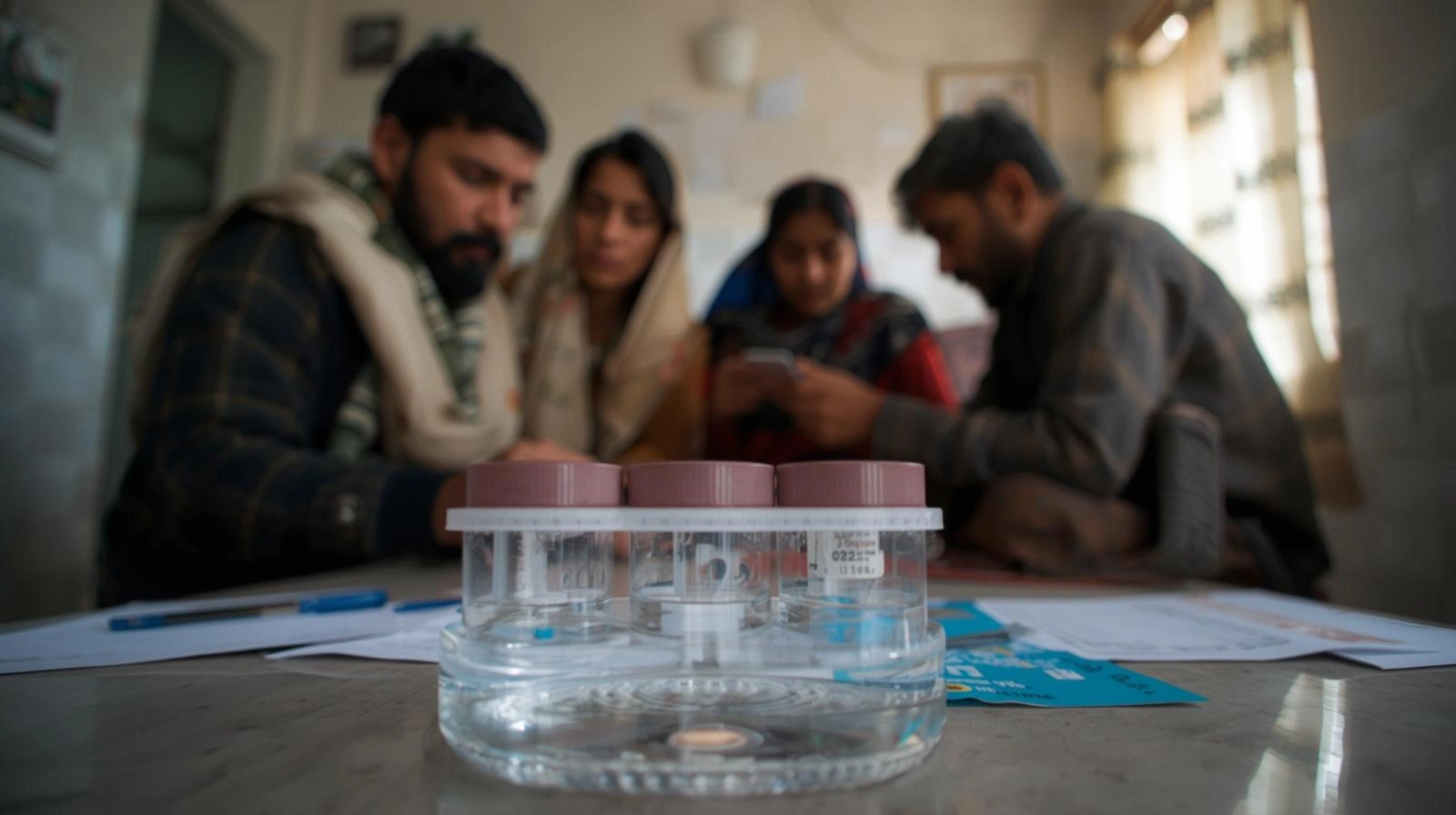
Imagine waking up to a glass of water that’s supposed to quench your thirst, but you have no idea whether it’s clean or contaminated. How can you ensure the health and safety of your family with such uncertainty? For many rural households in Pakistan, access to clean water is still a distant dream, and drinking contaminated water is a silent risk to health. Water testing kits provide a reliable, affordable solution to this problem—offering families a simple way to check the quality of their water and make informed decisions.
In this blog post, we’ll delve into why water testing kits are essential for rural Pakistani households. We’ll explore the common water quality issues, how testing kits work, and the difference they can make for families seeking access to safe, clean water.
Why is Clean Water Crucial for Rural Pakistan?
The Water Crisis in Rural Areas of Pakistan
Pakistan’s rural areas face an ongoing water crisis that is exacerbated by pollution, poor infrastructure, and lack of awareness. According to the Pakistan Council of Research in Water Resources, about 40% of Pakistan’s population relies on unsafe drinking water sources. This statistic becomes even more alarming when you consider that rural areas lack the resources to treat water effectively, making the risk of waterborne diseases like cholera, typhoid, and dysentery significantly higher.
With poor sanitation, inadequate water treatment, and polluted water sources, rural communities are exposed to a high risk of consuming harmful substances. The availability of water testing kits could be a game-changer, allowing households to detect potential contaminants and take action before it’s too late.
How Do Water Testing Kits Work?
Water testing kits are simple yet powerful tools designed to assess the quality of water. They work by detecting the presence of specific pollutants or contaminants in water. These kits typically contain color-coded test strips or liquid reagents that change color in response to certain contaminants.
What Contaminants Do They Test For?
- Bacterial Contamination: Water testing kits can detect harmful bacteria such as E. coli, which is a common cause of gastrointestinal diseases in rural areas.
- Chemical Pollutants: These include heavy metals like lead, mercury, and arsenic, all of which are common in industrial and agricultural runoff.
- pH Levels: The pH of water is crucial in determining its suitability for consumption and use. Water with extreme pH levels can cause harm to both human health and plumbing systems.
- Nitrates and Nitrites: High levels of nitrates are often found in agricultural areas and can cause serious health issues, particularly for infants.
Simple and Quick Results
Most water testing kits offer results within minutes, which means families can immediately understand whether their water is safe to drink or requires further treatment. This makes them incredibly useful in emergency situations or when you need quick results in remote areas.
The Importance of Regular Water Testing
Health and Safety First
Drinking contaminated water is one of the leading causes of death in rural Pakistan. Regular water testing allows households to identify whether their water is safe and to address issues such as microbial contamination, harmful chemicals, or impurities that could cause long-term health problems.
Pro Tip: Water testing kits help in preventive healthcare, ensuring that families can protect themselves from waterborne diseases and avoid costly medical treatments later on.
Protecting the Environment
Water quality testing is not only about protecting human health; it’s also about safeguarding the environment. By detecting contamination early, rural households can prevent pollution from spreading to surrounding water sources, helping to protect local ecosystems.
The Role of Water Testing Kits in Improving Water Quality Awareness
Empowering Communities
In many rural areas, communities may not be aware of the hidden dangers lurking in their water supply. A water testing kit empowers individuals to take charge of their own health and safety. By testing the water themselves, families can better understand the quality of their drinking water and the steps they can take to improve it.
Case Study: In a village in Punjab, a local NGO distributed water testing kits to households as part of a health initiative. After the residents tested their water, they discovered high levels of chlorine and E. coli, leading them to install filtration systems and practice better hygiene. Over time, the incidence of waterborne diseases dropped significantly.
A Cost-Effective Solution for Rural Families
Water testing kits are inexpensive and easy to use, making them an affordable option for rural households. The cost of medical treatment for waterborne diseases can be much higher, and in many cases, people in rural Pakistan simply cannot afford healthcare. By investing in water testing kits, families can avoid the financial burden of treating illnesses caused by contaminated water.
Pro Tip: Compare the cost of a water testing kit to the long-term savings it offers in terms of reduced healthcare costs and better overall health.
How to Choose the Right Water Testing Kit for Rural Households
With so many options available, it’s important to choose a water testing kit that meets your specific needs. Here are a few tips to help you choose the right one:
- Test Coverage: Make sure the kit can test for the contaminants that are most common in your area (e.g., bacterial contamination, heavy metals).
- Ease of Use: Look for a kit that is easy to use and requires no technical expertise.
- Reliability: Choose a kit with accurate and reliable results. Check customer reviews and certifications.
- Affordability: While some advanced kits may be expensive, basic kits are generally affordable and can still provide valuable insights.
Real-World Example: How Testing Kits Helped a Rural Community in Sindh
In a remote village in Sindh, the local water sources were severely contaminated due to industrial runoff. The villagers had no way of knowing the extent of the contamination. With the introduction of water testing kits, the community was able to test their water for harmful chemicals and bacteria. As a result, they identified high levels of arsenic and E. coli, prompting the installation of a water filtration system that significantly improved the water quality. Within months, cases of waterborne diseases dropped, and the community’s overall health improved.
Conclusion
Water testing kits play a crucial role in ensuring safe drinking water for rural households in Pakistan. By empowering families to identify contamination, these kits offer a cost-effective solution to prevent health issues and protect the environment. With the rising need for clean water and the importance of early detection, investing in water testing kits is a small step that can make a significant difference in rural communities across the country.
FAQs
1. What are the common contaminants found in rural water sources?
Water sources in rural areas often contain bacteria, heavy metals like arsenic and lead, and agricultural runoff including nitrates and pesticides.
2. How accurate are water testing kits?
Water testing kits are highly accurate when used properly. Always follow the instructions to ensure reliable results.
3. How often should I test my water?
It’s recommended to test your water every 3-6 months, especially if your water source is susceptible to contamination.
4. Can a water testing kit detect all types of contamination?
While water testing kits can detect many common contaminants, more advanced kits may be needed for specific issues like chemical pollutants or advanced bacterial strains.
5. Are water testing kits expensive?
Water testing kits are generally affordable, with basic kits costing between 500-2000 PKR, depending on the type of contaminants they test for.