
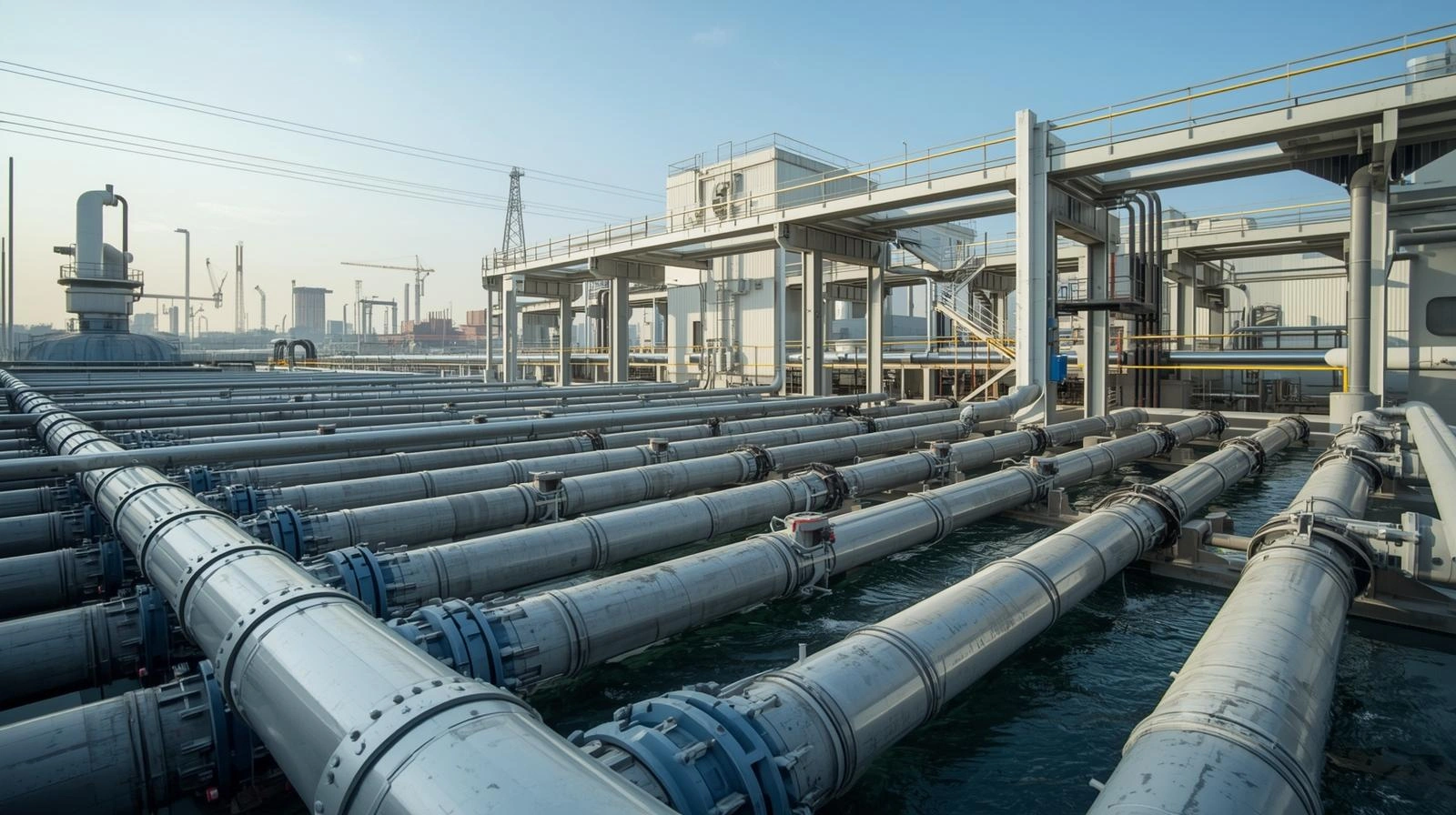
The Water Crisis in Industrial Sectors – Are You Prepared?
How can industries in Sialkot, a city known for its booming manufacturing sector, optimize their water consumption while ensuring high-quality output? This question is becoming increasingly important for industrial business owners looking to stay ahead in a competitive market. With water scarcity and quality issues growing across Pakistan, relying on traditional water treatment methods might no longer suffice.
A staggering 50% of industries in Sialkot face challenges related to water treatment, leading to inefficiencies, increased costs, and even production downtime. If you’re grappling with water management concerns, an ultra-filtration plant might be the game-changer you need.
In this article, we’ll dive into how integrating ultra-filtration technology can enhance the efficiency, sustainability, and cost-effectiveness of industrial water solutions in Sialkot. Whether you’re managing a small textile factory or a large manufacturing plant, this guide will show you how to implement cutting-edge filtration systems to ensure smooth operations and compliance with regulatory standards.
What Is an Ultra-Filtration Plant and Why Is It Essential for Sialkot Industries?
Understanding Ultra-Filtration Technology
Ultra-filtration (UF) is a membrane filtration process that utilizes semi-permeable membranes to remove suspended solids, bacteria, viruses, and other contaminants from water. Unlike traditional water filtration methods, UF works without the need for chemical treatments, making it an eco-friendly solution that produces high-quality, safe water for industrial processes.
UF plants are capable of filtering particles as small as 0.01 microns, ensuring that water meets stringent quality requirements for various industrial applications, from textile manufacturing to food processing. In Sialkot, where industries are water-intensive, this level of filtration is invaluable for ensuring efficiency, quality, and compliance with health standards.
Why Should Sialkot Industries Invest in Ultra-Filtration?
The need for efficient water management in Sialkot’s industrial sector is more urgent than ever. With an increasing demand for high-quality water and stricter environmental regulations, industries in the region cannot afford to overlook the importance of modern filtration systems.
UF plants offer a range of benefits that can make a significant impact on Sialkot industries, including:
- Improved Water Quality: UF systems remove particles, pathogens, and microorganisms, ensuring clean, safe water.
- Cost-Effective: With minimal chemical use, UF plants are more cost-efficient in the long run compared to traditional methods.
- Sustainability: Reduces water wastage and increases recycling rates, aligning with global sustainability goals.
- Operational Efficiency: By ensuring a steady supply of high-quality water, UF systems minimize downtime and production disruptions.
How Can Ultra-Filtration Plants Be Integrated into Existing Industrial Processes?
Seamless Integration with Current Systems
One of the key questions industrial owners often ask is, “How do I integrate an ultra-filtration system into my existing setup?” Fortunately, UF plants are highly adaptable and can be integrated into almost any industrial process without major overhauls. Whether your facility already uses reverse osmosis (RO) or other filtration methods, adding UF as a pre-treatment system can improve water quality and extend the lifespan of your existing equipment.
Pro Tip: Pre-Treatment and Post-Treatment Integration
In many cases, UF plants are used as a pre-treatment process before water moves on to more advanced filtration stages, such as reverse osmosis. This combination enhances water purity and extends the life of the RO membranes, ensuring better performance at lower operating costs.
Case Study: Ultra-Filtration in Sialkot’s Textile Industry
Sialkot’s textile industry, one of the largest in Pakistan, faces a unique set of challenges when it comes to water usage. A local textile manufacturer faced frequent production halts due to poor water quality, which affected dyeing processes and ultimately increased operational costs. By integrating an ultra-filtration plant into their water treatment system, they saw a 40% reduction in water-related production delays, alongside improved dye consistency.
This case exemplifies the value of UF plants in industries like textiles, where water quality directly impacts production quality and efficiency. By filtering out particles, the UF plant ensured that the water used in textile production was free from contaminants, ensuring better final products and fewer machine malfunctions.
What Are the Key Benefits of Ultra-Filtration for Sialkot’s Industrial Water Solutions?
1. Enhanced Water Quality for Various Industrial Uses
Industrial processes in Sialkot require water with specific characteristics, whether it’s for cooling, cleaning, or manufacturing purposes. Ultra-filtration systems ensure that water meets the required specifications for each of these processes. By removing contaminants such as suspended solids, bacteria, and organic materials, UF plants provide consistent, high-quality water that reduces the risk of operational disruptions due to water quality issues.
2. Reduced Operating Costs and Increased Efficiency
Traditional water treatment methods often rely on chemicals, which can be costly and require frequent maintenance. Ultra-filtration, on the other hand, reduces the need for such chemicals while offering higher filtration efficiency. The result? Lower operating costs and fewer chemicals required to maintain water purity.
3. Environmental Sustainability
Water scarcity is a growing concern in Sialkot, and industries must take steps to minimize their water usage. Ultra-filtration systems support sustainability by enabling water recycling and reducing the overall water demand. By utilizing UF plants, industries can ensure that water is used efficiently, thereby reducing waste and conserving precious resources.
Pro Tip: Water Recycling with UF Technology
Many Sialkot industries are integrating ultra-filtration with water recycling systems. After initial filtration, water can be reprocessed and used again in production. This closed-loop system reduces reliance on external water sources, saving costs and promoting sustainability.
4. Compliance with Regulatory Standards
As environmental regulations become stricter, industries in Sialkot must ensure their water treatment processes meet the required standards. Ultra-filtration systems help industries comply with national and international water quality standards, avoiding penalties and maintaining their reputation as environmentally responsible businesses.
What Are the Challenges of Implementing an Ultra-Filtration Plant in Sialkot?
Initial Investment and Maintenance Costs
While ultra-filtration systems are cost-effective in the long run, the initial investment can be significant. For many industries in Sialkot, especially small and medium enterprises (SMEs), the upfront cost of UF equipment can be a barrier. However, the savings on water treatment costs, increased efficiency, and reduced downtime often offset this initial expense.
Ongoing Maintenance and Monitoring
Though UF systems are relatively low-maintenance, they do require periodic cleaning and monitoring to ensure optimal performance. Industry leaders must be prepared to implement a maintenance schedule and potentially hire skilled staff to oversee the operation of the UF plant.
Expert Insight: Optimize Maintenance with Predictive Analytics
To mitigate maintenance costs, some industries in Sialkot are incorporating predictive maintenance strategies, using IoT devices to monitor UF system performance. This allows for early detection of issues, reducing unexpected downtimes and extending the lifespan of the filtration plant.
How Can Sialkot’s Industrial Water Solutions Benefit from Ultra-Filtration?
Addressing Water Scarcity and Quality Issues
Sialkot’s industries, particularly those in the manufacturing, food processing, and textile sectors, face significant challenges with water availability and quality. By integrating ultra-filtration plants, businesses can ensure that they have a reliable and cost-effective source of clean water, supporting production processes and reducing reliance on external water supplies.
Future-Proofing Industrial Operations
With the rapid industrial growth in Sialkot, demand for water is likely to rise. Ultra-filtration systems provide a sustainable solution that allows industries to scale up their operations while reducing their environmental impact. Furthermore, integrating UF systems ensures that businesses remain ahead of regulatory standards and can adapt to future changes in water quality requirements.
Pro Tip: Plan for Future Expansion
As your business grows, so will your water usage needs. Ensure that your UF system is scalable, allowing for easy upgrades to handle increased demand without significant downtime or re-investment in infrastructure.
Conclusion: The Path Forward for Sialkot Industries
Incorporating an ultra-filtration plant into your industrial processes can provide significant benefits, from improving water quality to reducing operational costs. As Sialkot continues to grow as an industrial hub, the need for efficient, sustainable water solutions will only increase. By embracing ultra-filtration technology, industries can safeguard their operations against water-related challenges, improve their environmental impact, and comply with evolving regulations.
If you are ready to take the next step toward sustainable water management, now is the time to invest in ultra-filtration technology. Start by evaluating your current water management system and explore how a tailored UF plant solution can transform your business operations.
FAQ Section
1. What is the difference between ultra-filtration and reverse osmosis?
Ultra-filtration (UF) uses membranes with larger pores compared to reverse osmosis (RO), meaning it removes particles like bacteria, suspended solids, and viruses, but not dissolved salts. RO, on the other hand, can remove even smaller particles, including dissolved salts and minerals. UF is often used as a pre-treatment for RO systems.
2. How much does an ultra-filtration system cost to install?
The cost of installing an ultra-filtration plant can vary depending on the size of the system and the specific needs of the industrial facility. Generally, the initial investment may range from $50,000 to $200,000, but this is offset by long-term savings in water costs and operational efficiency.
3. How can I optimize the performance of my ultra-filtration system?
To optimize performance, regularly monitor the system for membrane fouling, clean the filters as needed, and invest in predictive maintenance tools. Additionally, ensure that your water source meets the necessary quality standards for UF filtration.
4. Can ultra-filtration systems help reduce water wastage?
Yes, ultra-filtration systems contribute to water conservation by allowing water to be recycled and reused within industrial processes, thus reducing overall water consumption.
5. Are there any environmental benefits to using ultra-filtration plants?
Yes, ultra-filtration plants promote sustainability by minimizing the use of chemicals in water treatment and enabling water recycling, which reduces the environmental impact of water usage in industrial operations.
6. What industries in Sialkot benefit most from ultra-filtration technology?
Industries such as textiles, manufacturing, and food processing in Sialkot can greatly benefit from ultra-filtration due to their high water usage and the need for clean water to maintain production quality.
7. How long do ultra-filtration systems last?
With proper maintenance, ultra-filtration systems can last 10-15 years, providing long-term value and reliability for industrial water treatment needs. Regular maintenance and cleaning are key to ensuring their longevity.