
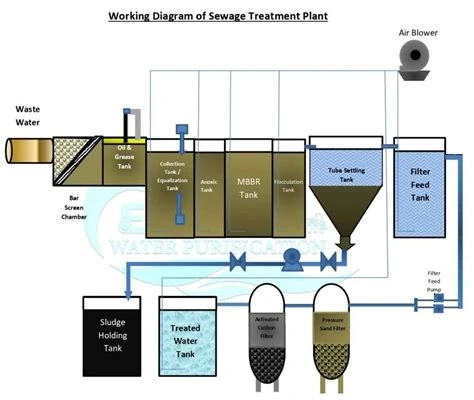
Sewage Treatment Gujranwala is becoming increasingly important as municipal water solutions face rising pressure. Rapid urbanization, pollution, and energy costs have made energy-saving sewage treatment solutions essential for the city. With rapid urbanization, rising pollution, and increasing energy costs, the need for energy-saving sewage treatment solutions in Gujranwala has never been more pressing. In fact, municipalities across the globe are recognizing that adopting energy-efficient sewage and wastewater treatment technologies is not only good for the environment but also offers significant long-term cost-saving opportunities.For detailed energy-efficient wastewater treatment services, see Water Care Services Pakistan’s solutions page
In this blog post, we’ll dive deep into the world of energy-saving wastewater treatment in Gujranwala, exploring practical solutions, real-world examples, and strategies that can be implemented immediately to reduce energy consumption. By the end, you’ll understand how these solutions can help your municipality or business reduce costs, improve sustainability, and contribute to the growing demand for green practices in urban planning.
What Are the Key Energy-Saving Municipal Wastewater Treatment Solutions?
Energy-saving wastewater treatment solutions focus on reducing the amount of energy required to process wastewater while maintaining effective treatment. Traditional systems often consume large amounts of energy, making them both expensive and environmentally unsustainable. Here are some of the most impactful energy-saving solutions currently being implemented in wastewater treatment plants:
1. Energy-Efficient Aeration Systems
Aeration is one of the largest energy consumers in wastewater treatment. Traditional systems rely on blowers that can consume up to 50% of a plant’s energy. In Gujranwala, a city with growing wastewater treatment demands, upgrading to energy-efficient aeration systems, like fine bubble diffusers, can dramatically reduce energy consumption. These systems introduce air into the wastewater more efficiently, reducing the need for large, energy-draining blowers.
Case Study: Lahore Wastewater Treatment Plant
In neighboring Lahore, the introduction of fine bubble diffusers reduced energy consumption by 30%, providing both cost savings and a significant decrease in carbon emissions.
2. Biogas Recovery from Wastewater Sludge
Another method of reducing energy consumption is capturing biogas produced during the anaerobic digestion of wastewater sludge. This biogas can be used to generate electricity, thus reducing the dependency on external power sources. This not only reduces operational costs but also helps in managing sludge more sustainably.
Pro Tip:
Gujranwala could invest in biogas recovery systems, where excess methane gas could be captured, treated, and used to power parts of the wastewater plant, creating a more energy-independent system.
3. Membrane Bioreactor (MBR) Technology
Membrane bioreactors combine biological treatment and membrane filtration, offering a compact and energy-efficient solution to wastewater treatment. By integrating MBR systems, Gujranwala’s wastewater plants could achieve better filtration with lower energy usage, reducing the demand on energy resources.
4. Advanced Process Control and Automation
Incorporating automation and advanced process control (APC) technologies in wastewater treatment allows for real-time monitoring and optimization of treatment processes. By using predictive algorithms, energy usage can be fine-tuned to match the needs of the system at any given time, ensuring that the plant runs efficiently without unnecessary energy consumption.
Expert Insight:
The use of IoT (Internet of Things) devices and AI-driven analytics could be especially beneficial in Gujranwala’s wastewater facilities, allowing for predictive maintenance and system adjustments that lower energy use while maintaining optimal performance.
How Can Sewage Treatment in Gujranwala Benefit from Implementing These Solutions?
By adopting energy-saving sewage treatment solutions in Gujranwala, municipalities stand to benefit in several ways:
-
Reduced Operational Costs
Energy consumption often accounts for the majority of a sewage treatment plant’s operational budget in Gujranwala. By investing in energy-efficient solutions like advanced aeration systems or biogas recovery, municipalities can significantly reduce their electricity costs.
Statistic:
According to a 2024 study by the International Water Association (IWA), energy-efficient sewage treatment technologies in Gujranwala can reduce energy consumption by as much as 40% in municipalities across developing regions.
-
Improved Environmental Impact
Reducing energy consumption not only saves money but also minimizes the carbon footprint of sewage treatment in Gujranwala. The city, like many rapidly growing urban areas, faces mounting environmental pressures. Transitioning to greener, more sustainable technologies can help mitigate the harmful effects of traditional energy-intensive treatment methods.
-
Compliance with Environmental Regulations
Pakistan’s environmental regulations are evolving rapidly. By embracing energy-efficient technologies in sewage treatment Gujranwala, municipalities can stay ahead of the curve and comply with upcoming environmental standards. These technologies help meet local government mandates to reduce greenhouse gas emissions and promote energy-efficient infrastructure.
What Are the Financial Implications of Energy-Saving Solutions?
Energy-saving wastewater treatment solutions come with upfront investment costs, but the long-term financial benefits often outweigh these initial expenditures. Let’s break down the financial considerations:
1. Initial Investment vs. Long-Term Savings
While adopting energy-efficient technologies may require an initial capital investment (such as purchasing new equipment or upgrading existing systems), these costs can be offset by the savings in operational energy costs. Municipalities can also look for government grants or loans aimed at sustainable development projects.
Example:
In 2023, a municipal wastewater plant in Multan installed energy-efficient blowers, resulting in a 25% reduction in energy costs. The system paid for itself in under two years due to these savings.
2. Cost-Benefit Analysis
The upfront investment should be evaluated based on the expected energy savings and the reduction in maintenance costs. Municipalities in Gujranwala can consult with engineers or environmental consultants to perform a detailed cost-benefit analysis, ensuring that energy-saving solutions deliver a positive return on investment (ROI).
What Role Does Government Policy Play in Promoting Energy-Saving Solutions?
Government policy plays a crucial role in facilitating the transition to energy-efficient wastewater treatment systems. In Gujranwala, policymakers can incentivize municipalities to adopt sustainable technologies through subsidies, tax breaks, or interest-free loans for environmentally friendly projects.
1. Subsidies and Grants
Government initiatives at both the provincial and federal levels can provide the financial support needed to invest in energy-saving solutions. The Punjab Provincial Government has already begun offering subsidies for municipalities that adopt green technologies, including wastewater treatment solutions.
2. Public-Private Partnerships (PPP)
Collaborating with private-sector innovators can help municipalities access cutting-edge technologies without bearing all the costs upfront. By establishing public-private partnerships, Gujranwala can leverage external expertise and funding to implement energy-efficient wastewater treatment solutions.
How Can Private Enterprises Contribute to Energy-Saving Municipal Solutions?
How Can Private Enterprises Contribute to Energy-Saving Municipal Solutions?
Private enterprises have a significant role to play in providing energy‑saving wastewater treatment solutions. Companies specializing in water treatment technologies can partner with municipalities to offer innovative, energy‑efficient equipment and services. For example, energy‑efficient wastewater technologies such as membrane bioreactors (MBRs) have been shown to improve treatment performance while lowering operating costs according to research on advanced treatment systems.
1. Collaboration with Local Industries
Local manufacturers and technology companies could collaborate with municipalities to develop cost-effective energy-saving solutions that are tailored to Gujranwala’s specific needs. These partnerships can foster innovation, create jobs, and drive economic growth in the region.
Case Study: Karachi Water & Sewerage Board
A public-private partnership in Karachi introduced advanced filtration systems that reduced energy usage by 20%, with a significant impact on cost savings and local business development.
Key Energy-Saving Sewage Treatment Solutions in Gujranwala
1. Energy-Efficient Aeration Systems
Aeration is one of the largest energy consumers in sewage treatment Gujranwala. Upgrading to fine bubble diffusers or advanced blower systems can reduce energy usage by up to 30%, while maintaining high water treatment efficiency.
2. Biogas Recovery from Sewage Sludge
During anaerobic digestion, sewage sludge produces methane-rich biogas. Capturing this biogas in sewage treatment Gujranwala plants can generate electricity on-site, reducing reliance on the grid and lowering operational costs.
3. Membrane Bioreactor (MBR) Technology
Sewage treatment in Gujranwala can benefit from membrane bioreactor systems, which combine filtration and biological treatment. MBR technology is compact, efficient, and uses less energy compared to conventional treatment methods.
4. Automation and Advanced Process Control
Installing automated systems and IoT-based monitoring allows sewage treatment Gujranwala plants to optimize energy usage in real time. Predictive analytics can adjust aeration, pumping, and sludge management to match actual demand.
5. Sustainable Design and Maintenance Practices
Regular maintenance and upgrading older equipment in sewage treatment Gujranwala ensures that energy efficiency is maintained. Proper plant layout, leak prevention, and equipment calibration can significantly reduce unnecessary energy consumption.
Conclusion
Adopting sewage treatment solutions in Gujranwala ensures cost savings, environmental protection, and compliance with regulations. Local municipalities should invest in energy-efficient sewage treatment in Gujranwala for sustainable urban developmenEnergy-saving municipal wastewater treatment solutions are a powerful tool in addressing both the growing demands of wastewater management in Gujranwala and the need for sustainability. From energy-efficient aeration systems to biogas recovery and membrane bioreactor technologies, the benefits are clear: reduced costs, improved environmental outcomes, and compliance with local and international standards. Contact Water Care Services Pakistan to discuss wastewater treatment solutions in Gujranwala or nearby regions
Call to Action:
If you’re a local decision-maker, now is the time to explore energy-saving wastewater treatment solutions in your municipality. Reach out to technology providers and government officials to discuss how your community can benefit from these sustainable innovations.
Frequently Asked Questions (FAQ)
1. What is energy-saving wastewater treatment?
Energy-saving wastewater treatment refers to using technologies and strategies that minimize energy consumption while still effectively treating wastewater. This includes using energy-efficient aeration systems, biogas recovery, and automated control systems.
2. How much energy can be saved in wastewater treatment?
Depending on the technologies implemented, municipalities can reduce energy consumption by up to 40%, as reported by the International Water Association in 2024.
3. Are energy-saving wastewater treatment solutions expensive to implement?
Although these solutions require an initial investment, the long-term savings in operational costs, such as reduced energy consumption, typically result in a positive return on investment within a few years.
4. Can local businesses in Gujranwala get involved in wastewater treatment innovations?
Yes, local businesses can partner with municipalities to provide innovative technologies, offer maintenance services, or even develop customized solutions suited to the city’s unique needs.
5. What government support is available for energy-saving wastewater projects?
The Punjab Provincial Government offers subsidies, grants, and loans to municipalities investing in sustainable technologies, including wastewater treatment solutions. Additionally, public-private partnerships can help fund these projects.
6. How can wastewater treatment contribute to environmental sustainability in Gujranwala?
By reducing energy consumption, improving resource management, and adopting green technologies, wastewater treatment can reduce carbon emissions, helping Gujranwala meet its sustainability goals.