
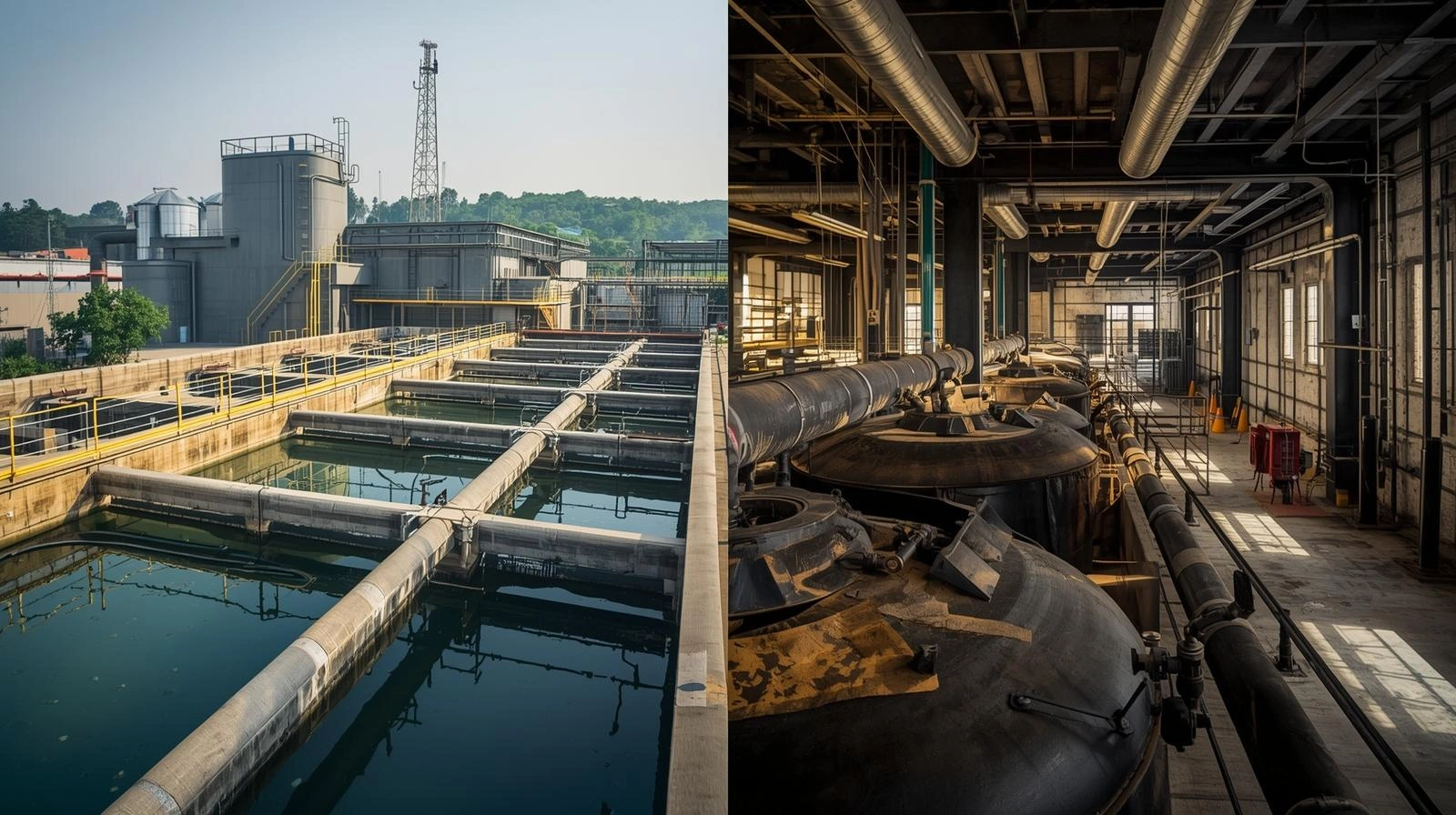
Sludge treatment is a critical aspect of wastewater management in Pakistan, with both municipal and industrial sectors producing large volumes of sludge that need proper treatment and disposal. However, the challenges in handling sludge differ significantly between municipal and industrial wastewater. So, how can businesses and municipalities effectively treat sludge to reduce environmental impact and comply with regulations?
In this post, we’ll delve into the differences between municipal and industrial sludge treatment in Pakistan, explore the best practices and technology options, and offer actionable solutions for effective treatment. You’ll gain insights on choosing the right technology and processes based on the unique needs of your sector.
What Is Sludge Treatment and Why Is It Important in Pakistan?
Sludge treatment refers to the process of handling and processing the solid byproducts of wastewater treatment. In Pakistan, both municipal and industrial sectors produce significant quantities of sludge, which contains harmful pollutants, heavy metals, and pathogens. Improper disposal or treatment of sludge can lead to severe environmental and public health issues, making effective treatment a priority.
- Municipal Sludge: Produced from wastewater treatment plants (WWTPs) serving urban areas, municipal sludge typically contains organic matter, solids, and various pollutants.
- Industrial Sludge: Generated by industries such as textiles, chemicals, and food processing, industrial sludge often contains more hazardous chemicals, heavy metals, and industrial byproducts.
Pakistan’s rapid urbanization and industrial growth have heightened the need for advanced sludge treatment technologies to protect the environment and human health.
What Are the Key Differences Between Municipal and Industrial Sludge?
Understanding the characteristics of municipal and industrial sludge is essential for selecting the appropriate treatment method. Here’s a breakdown:
1. Composition:
- Municipal Sludge: Contains organic materials, detergents, nutrients, pathogens, and trace amounts of heavy metals. The pollutants are typically from residential, commercial, and light industrial wastewater.
- Industrial Sludge: Often more complex, containing higher concentrations of hazardous chemicals, heavy metals (e.g., lead, cadmium), and non-biodegradable substances, depending on the industry producing it.
2. Treatment Requirements:
- Municipal Sludge: Requires treatment processes that focus on reducing organic matter, pathogens, and volume, with a focus on environmental sustainability.
- Industrial Sludge: Requires specialized treatment due to the presence of toxic chemicals, heavy metals, and other contaminants, necessitating more robust and specific treatment technologies.
Best Practices for Municipal Sludge Treatment in Pakistan
Municipal sludge treatment is designed to reduce environmental pollution while promoting sustainability. Here are some best practices for managing municipal sludge effectively:
1. Anaerobic Digestion
Anaerobic digestion is a widely used method for treating municipal sludge in Pakistan. This biological process breaks down organic matter in the absence of oxygen, producing biogas as a byproduct, which can be used for energy. The digested sludge can then be used as fertilizer or disposed of more easily.
- Benefits: Produces renewable energy, reduces sludge volume, and minimizes odor.
- Challenges: Requires significant space and investment in infrastructure.
2. Composting
Composting is another viable option for municipal sludge management. The process involves aerating sludge to turn it into compost that can be used for agricultural purposes. Composting is an eco-friendly and low-cost option, making it particularly useful for smaller municipalities in Pakistan.
- Benefits: Converts waste into useful products, reduces landfill use.
- Challenges: Requires large areas and careful management to ensure safety and efficiency.
3. Landfilling with Stabilization
For municipalities without advanced treatment facilities, landfilling is still a common practice. Stabilizing the sludge before landfilling ensures minimal leaching of harmful substances into the environment.
- Benefits: Simple to implement, especially in areas lacking treatment infrastructure.
- Challenges: Not a sustainable long-term solution, as it can lead to groundwater contamination.
Best Practices for Industrial Sludge Treatment in Pakistan
Industrial sludge treatment is more complex due to the presence of hazardous materials. The key practices for treating industrial sludge include:
1. Chemical Precipitation
Chemical precipitation is used to remove heavy metals from industrial sludge, especially in the mining and chemical industries. This involves adding chemicals to the sludge to bind with the metals, which can then be removed by filtration or sedimentation.
- Benefits: Highly effective for removing heavy metals.
- Challenges: Chemical use can lead to additional waste, and disposal must be handled carefully.
2. Thermal Treatment
Thermal treatment, such as incineration, is another technology employed to treat industrial sludge, particularly for high-strength sludge. This process involves burning the sludge at high temperatures to reduce its volume and eliminate harmful pathogens.
- Benefits: Reduces sludge volume drastically, sterilizes waste.
- Challenges: High energy consumption and potential air pollution.
3. Filtration and Dewatering
Filtration and dewatering technologies are essential for industries like textiles and food processing, where the sludge contains excess water. These methods concentrate the sludge, making it easier to dispose of or treat further.
- Benefits: Efficient, cost-effective for certain industries.
- Challenges: Requires regular maintenance and may not address hazardous contaminants.
Technology Options for Sludge Treatment in Pakistan
Selecting the right technology is crucial for effective sludge management. Here are some advanced treatment technologies used in Pakistan:
1. Membrane Bioreactors (MBR)
MBRs combine biological treatment with membrane filtration, effectively treating both municipal and industrial wastewater. This technology helps in reducing the sludge volume and improving effluent quality.
- Benefits: Compact, effective for treating high-strength wastewater.
- Challenges: High capital and operational costs.
2. Rotary Drum Thickeners
Rotary drum thickeners are commonly used in municipal and industrial plants to thicken sludge before further treatment. This technology helps in concentrating the solids, making downstream treatment more efficient.
- Benefits: Energy-efficient and cost-effective.
- Challenges: Requires routine maintenance and can be limited by sludge characteristics.
3. Sludge Drying Beds
Sludge drying beds are a traditional method used to dry sludge using natural evaporation. This method is still used in Pakistan, particularly in smaller treatment plants.
- Benefits: Simple, low-cost solution.
- Challenges: Limited by weather conditions and space availability.
Key Considerations for Effective Sludge Management
When implementing a sludge treatment plan, several factors must be considered:
1. Regulatory Compliance
Ensuring that the treatment process complies with Pakistan’s environmental standards is vital for avoiding fines and legal issues. The National Environmental Quality Standards (NEQS) set guidelines for industrial effluent quality and sludge disposal.
2. Cost Efficiency
Both municipal and industrial sludge treatment can be costly. It’s essential to balance technology investments with operational costs to find a sustainable solution.
3. Environmental Impact
The environmental impact of sludge disposal should always be evaluated. Sustainable practices like composting, biogas generation, and land reclamation help minimize the environmental footprint.
Conclusion
The effective treatment of sludge is essential for protecting the environment and public health in Pakistan. Municipal and industrial sectors must adopt tailored sludge management strategies to address the unique challenges each sector presents. From anaerobic digestion to chemical precipitation, the right technology and treatment methods can make a significant difference in the efficiency and sustainability of sludge management.
By implementing best practices and keeping up with technological advancements, Pakistan can improve its wastewater management, reduce pollution, and promote resource recovery. If you’re looking to enhance your sludge treatment processes, start by assessing your specific needs and exploring the technologies that best suit your sector.
Call to Action: Contact a sludge treatment expert today to learn how you can implement the best practices and technologies for effective sludge management in your facility.
FAQ Section:
1. What is the best method for treating municipal sludge in Pakistan?
Anaerobic digestion and composting are two of the most effective methods for treating municipal sludge in Pakistan.
2. How does industrial sludge differ from municipal sludge?
Industrial sludge often contains hazardous chemicals and heavy metals, while municipal sludge is primarily organic matter and pathogens.
3. What technologies are available for sludge treatment in Pakistan?
Technologies like Membrane Bioreactors (MBR), rotary drum thickeners, and sludge drying beds are commonly used for sludge treatment.
4. How can I reduce the cost of sludge treatment in my facility?
Investing in cost-effective technologies, such as rotary drum thickeners or membrane filtration, can help reduce operational costs over time.
5. What are the regulatory requirements for sludge disposal in Pakistan?
Pakistan follows the National Environmental Quality Standards (NEQS), which set guidelines for effluent quality and sludge disposal.
6. How can I improve the sustainability of my sludge treatment process?
Implementing sustainable practices like biogas production, composting, and using advanced treatment technologies can significantly enhance sustainability.
7. Is there any financial support for upgrading sludge treatment technology in Pakistan?
Certain government programs and international aid initiatives offer funding for environmental projects, including upgrading wastewater treatment facilities.