
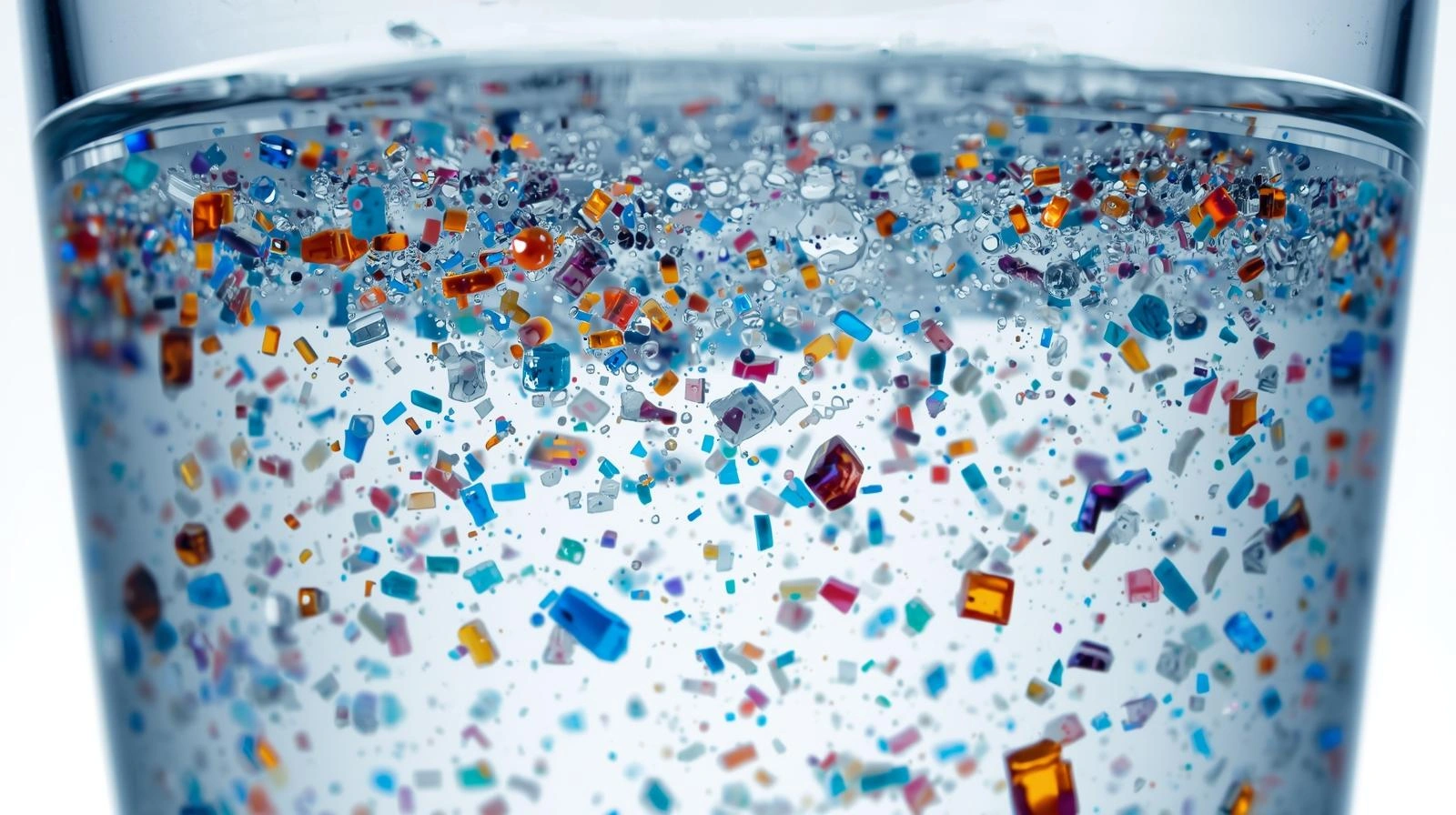
Are you concerned about the safety of your drinking water?
In recent years, an unsettling new threat has emerged in tap water across the globe: microplastics. These tiny particles, less than 5 millimeters in size, have made their way into water sources, and now, even in Pakistan, many homeowners unknowingly consume them. According to a study by the World Health Organization (WHO), nearly 83% of tap water samples worldwide contain detectable levels of microplastics. This troubling statistic raises questions about the long-term effects of these pollutants on our health, especially when they contaminate the very water we depend on for survival.
In this post, we will explore the microplastics in water issue in Pakistan, how they enter our water systems, and what homeowners can do to protect their families from this modern-day menace. You will also discover practical steps, from water testing to purification, to safeguard your health.
What Are Microplastics and How Do They End Up in Water?
Microplastics are minuscule fragments of plastic that result from the breakdown of larger plastic waste, such as bottles, bags, and industrial products. These particles are incredibly persistent in the environment due to plastic’s durability. The global production of plastic has surged to over 350 million metric tons annually, leading to unprecedented contamination levels. In Pakistan, rivers and streams that serve as major water sources are often tainted by industrial runoff, improper waste disposal, and plastic debris, which degrade into microplastics over time.
The primary concern is that these microplastics, when ingested, may enter the human body. Research is still ongoing, but early studies suggest that these particles might carry harmful chemicals or toxins, potentially leading to health problems such as endocrine disruption and cancer.
Why Is Microplastic Contamination in Drinking Water a Concern for Pakistan?
Water pollution in Pakistan is already a significant issue. With polluted rivers, inadequate sanitation systems, and rapid urbanization, the country faces immense challenges in ensuring safe drinking water. According to the Pakistan Council of Research in Water Resources (PCRWR), over 80% of the country’s water is contaminated with harmful substances, including bacteria, heavy metals, and now, microplastics. The main sources of microplastic contamination in Pakistan include:
- Improper waste disposal: Improper disposal of plastic waste in urban and rural areas leads to plastics finding their way into water bodies.
- Industrial effluent: Factories and manufacturing plants often release untreated wastewater that contains microplastics into rivers and lakes.
- Agricultural runoff: Fertilizers, pesticides, and plastic-based materials from agricultural activities also contribute to microplastic pollution.
Given these sources, homeowners in Pakistan face a real risk of microplastic contamination, which may adversely affect health, especially in areas where clean drinking water is already scarce.
How Do Microplastics Affect Our Health?
The potential health risks posed by microplastics in drinking water are still being researched, but some studies have already raised alarms. Here are some ways microplastics may harm human health:
- Chemical Leaching: Microplastics can carry harmful chemicals, such as phthalates and bisphenol A (BPA), which are known to disrupt hormones. These chemicals can leach into the water supply and enter the body when consumed.
- Inflammatory Responses: Some microplastics have been linked to inflammatory responses in the human body, potentially leading to gastrointestinal issues and long-term diseases.
- Heavy Metal Toxicity: Microplastics in water may adsorb heavy metals like lead and cadmium, which are toxic when ingested.
Though the full extent of the health risks remains uncertain, the growing body of research suggests that minimizing exposure to these pollutants is crucial.
How Can Pakistani Homeowners Test Their Water for Microplastics?
Testing for microplastics in drinking water is more complicated than traditional water testing methods. Standard home testing kits for water quality do not always include microplastic detection. However, there are a few steps homeowners can take to check for microplastics:
- Get Professional Testing: Some advanced water testing laboratories in Pakistan can identify microplastics in water. It’s worth contacting local environmental agencies or water filtration companies for recommendations.
- DIY Filter Testing: Some homeowners choose to use microscopic mesh filters to collect particles from their water. While this method isn’t foolproof, it can help identify visible plastic fragments.
- Regular Water Quality Reports: Some municipal water systems in Pakistan are now testing for microplastics. If available, ask for water quality reports from your local water supplier.
What Are the Best Ways to Remove Microplastics from Drinking Water?
Thankfully, there are effective ways to reduce microplastic contamination in drinking water. Homeowners in Pakistan can adopt these methods:
- Use Activated Carbon Filters: Activated carbon filters can effectively remove many pollutants from drinking water, including microplastics. These filters work by adsorbing particles from the water as it passes through.
- Reverse Osmosis Systems: Reverse osmosis (RO) systems are one of the most effective methods for removing microplastics. These systems push water through a semipermeable membrane that filters out contaminants, including microplastics.
- Ceramic Filters: Some ceramic filters designed for home use can capture particles down to the micron level, effectively removing microplastics from drinking water.
- UV-C Water Purifiers: Though UV purifiers do not remove microplastics directly, they help eliminate waterborne pathogens that may come with contaminated particles.
- Boiling Water: While boiling does not remove microplastics, it does kill bacteria and other pathogens, ensuring your water is safe to drink from a biological perspective.
How to Prevent Microplastic Pollution in Your Local Water Source
Reducing microplastic pollution at the source is the most effective long-term solution. Here’s what can be done to prevent further contamination:
- Reduce Plastic Consumption: Opt for reusable alternatives to plastic bottles, bags, and packaging. By reducing plastic waste, fewer microplastics enter the water supply.
- Improve Waste Management: Advocate for improved waste management systems in your local area. Proper disposal and recycling of plastic can significantly reduce the number of microplastics that enter the water system.
- Support Clean-Up Efforts: Join or support local initiatives to clean rivers, lakes, and beaches. Collecting plastic waste before it breaks down into microplastics can prevent further contamination.
- Encourage Government Action: Lobby local authorities for better wastewater treatment regulations and for industrial facilities to adopt advanced filtration systems that prevent microplastics from entering water bodies.
Real-World Examples: How Other Countries Are Tackling the Issue
- Germany: Germany has implemented extensive plastic waste management programs, including widespread recycling initiatives, which significantly reduce the amount of plastic entering their water systems.
- United States: Several states in the U.S. have mandated microplastic monitoring in drinking water, and water treatment facilities are now required to use advanced filtration methods to remove microplastics.
- Australia: In Australia, researchers have partnered with local water suppliers to monitor and remove microplastics from water sources, focusing on public health and environmental sustainability.
Conclusion
Microplastics in drinking water are a growing concern for homeowners in Pakistan. With widespread plastic pollution and inadequate wastewater treatment infrastructure, these tiny plastic particles are infiltrating water sources and potentially harming human health. However, there are steps homeowners can take to protect themselves, such as investing in advanced water filtration systems and supporting local efforts to reduce plastic pollution. By taking action today, we can ensure a safer, healthier water supply for future generations.
FAQ Section
1. What are microplastics, and how do they contaminate drinking water in Pakistan?
Microplastics are tiny plastic particles that enter water systems through improper waste disposal, industrial effluent, and agricultural runoff. They are difficult to remove using traditional water treatment methods.
2. Are microplastics harmful to human health?
Research suggests that microplastics may carry harmful chemicals, disrupt hormones, and contribute to inflammatory responses in the body. More research is needed to fully understand their health impacts.
3. How can I test my water for microplastics?
You can contact professional laboratories that specialize in microplastic detection or use advanced water filtration systems with built-in filtration capabilities.
4. What are the best water filters to remove microplastics?
Activated carbon filters, reverse osmosis systems, and ceramic filters are among the most effective ways to remove microplastics from drinking water.
5. Can I prevent microplastic contamination in my local water supply?
Yes, by reducing plastic consumption, supporting better waste management practices, and advocating for stronger environmental regulations, you can help reduce microplastic pollution in your community.