
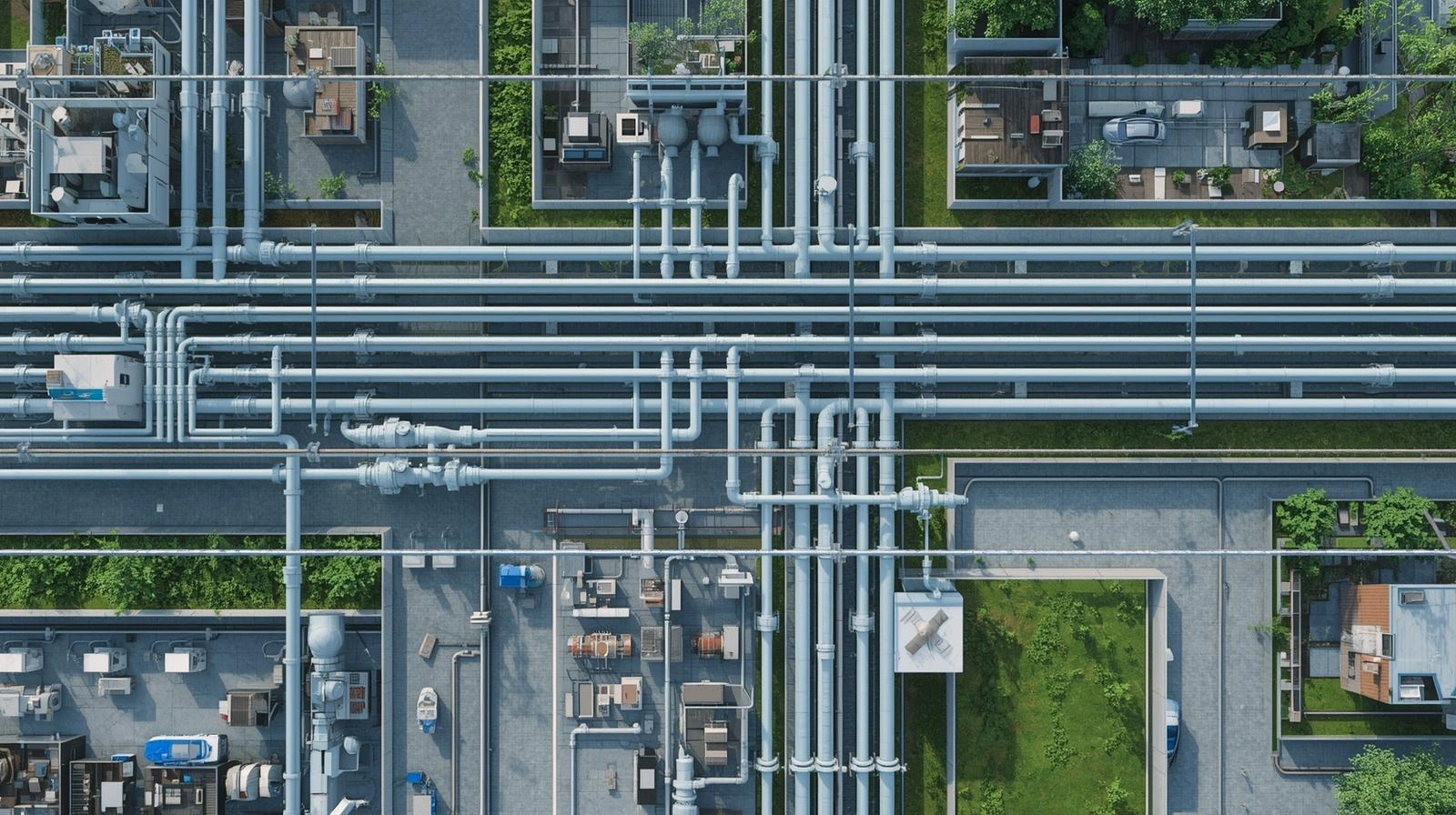
Industrial water recycling is transforming how Sialkot factories tackle the global water scarcity crisis. With the increasing pressure on natural resources, water recycling has become an essential focus for businesses, especially in industrial hubs like Sialkot, Pakistan.
But, here’s the good news: Sialkot factories are stepping up with innovative water recycling projects that not only conserve water but also reduce operational costs. In this post, we’ll explore how Sialkot is leading the charge in industrial water recycling, the benefits these projects bring to businesses, and how you can implement similar solutions in your operations.
According to the Pakistan Council of Research in Water Resources (PCRWR), Sialkot factories face critical water shortages, making industrial water recycling essential.
Key Takeaways:
- Learn about successful water recycling projects in Sialkot’s factories
- Understand the environmental and financial benefits of water recycling for industries
- Discover actionable strategies to implement water recycling in your own business
Why Industrial Water Recycling is Crucial for Sialkot Factories?
Water is a precious resource, but industries consume it at an alarming rate. Why should businesses in Sialkot prioritize water recycling?
Sialkot is one of the largest industrial hubs in Pakistan, with over 1,000 small and large factories. These factories—primarily in the manufacturing of sports goods, textiles, and leather—consume significant amounts of water. From dyeing fabrics to cooling machinery, water is an essential element in the production process. However, the availability of water is not infinite. According to the Pakistan Council of Research in Water Resources (PCRWR), the country is facing a critical water shortage, and Sialkot, like many other regions, is feeling the impact.
The Environmental and Economic Cost of Water Waste
Sialkot industries use millions of liters of water daily. If these businesses do not implement sustainable water management systems, they risk contributing to the depletion of local water supplies, facing higher utility bills, and losing access to water altogether. This makes water recycling a critical part of future-proofing the manufacturing sector.
Pro Tip: By reducing water usage and recycling it within the production process, factories can dramatically lower their water bills while contributing to sustainable business practices.
How Sialkot Factories Implement Industrial Water Recycling Solutions?
How can factories in Sialkot integrate innovative water recycling techniques into their daily operations?
Several factories in Sialkot have embraced cutting-edge water recycling solutions that not only meet regulatory standards but also improve operational efficiency. These projects are typically centered around reusing water that would otherwise be discarded after it’s used in the production process.
Case Study: Sports Goods Manufacturers and Closed-Loop Water Recycling
A prominent sports goods factory in Sialkot has implemented a closed-loop water recycling system, which ensures that water used in cleaning and cooling equipment is treated and reused within the facility. This process has reduced their water consumption by over 50%, saving the company significant costs. The system purifies wastewater through filtration, reverse osmosis, and chemical treatments before reusing it in manufacturing.
Real Example: Textile Factories Using Membrane Bioreactor (MBR) Technology
In the textile industry, Sialkot factories have been using MBR technology, which combines biological treatment with filtration to treat wastewater. By implementing industrial water recycling, the treated water is then used in various stages of textile production, including dyeing, which is traditionally one of the most water-intensive processes. These initiatives have not only reduced water usage but also minimized chemical pollution in the effluent.
What Are the Benefits of Water Recycling in Sialkot Factories?
Why should factories invest in water recycling initiatives?
Investing in water recycling has multifaceted benefits for factories in Sialkot, from reducing costs to enhancing environmental sustainability.
- Cost Reduction
Water costs are rising globally, and industries in Sialkot are no exception. By recycling water, factories can drastically lower their utility bills, leading to long-term savings. For instance, a textile factory in Sialkot reported a reduction of 35% in water-related expenses after implementing a water recycling system. - Environmental Responsibility
With water becoming increasingly scarce, factories that recycle water contribute to the preservation of local ecosystems. By reusing water, these factories reduce their carbon footprint and ensure that fewer pollutants are released into the local water systems. - Compliance with Regulations
In recent years, the Pakistani government has been tightening regulations around water usage and effluent discharge. Water recycling systems help factories stay compliant with environmental standards, avoiding fines and reputational damage.
Pro Tip: Factor in the potential tax incentives and government subsidies available for businesses that adopt sustainable practices like water recycling.
How Can Small-Scale Factories in Sialkot Benefit from Water Recycling?
Is water recycling feasible for small factories with limited resources?
Water recycling isn’t just for large factories with big budgets. Small-scale factories in Sialkot are also finding ways to implement efficient water recycling systems that yield significant benefits.
Case Study: Leather Goods Factory Adopts Simple Filtration Systems
A small leather goods factory in Sialkot started with a basic filtration system that recycles water used for washing raw hides. The system filters out contaminants, which are then separated and removed, leaving clean water ready for reuse in the process. This low-cost solution reduced their water consumption by 30% and led to noticeable savings.
Pro Tip: Small-scale factories can begin with low-investment water treatment systems and gradually scale them up as they see positive results. Start small, think big.
What Are the Common Challenges Faced by Factories in Implementing Water Recycling?
What obstacles should factories consider before embarking on a water recycling project?
Despite the benefits, implementing water recycling systems in factories can be challenging. From the initial investment to ongoing maintenance, here are some common hurdles businesses may face:
- High Initial Costs
While water recycling systems pay off in the long run, the upfront cost of installation can be a barrier for some companies. The equipment, installation, and training required can be expensive, especially for small businesses. - Technical Expertise
Implementing a water recycling system requires technical know-how. Many factories may not have the in-house expertise to manage the technology, leading them to rely on third-party consultants or hire new staff, which can add to the cost. - Maintenance and Upkeep
Water recycling systems need regular maintenance to keep them running efficiently. This includes checking filters, pumps, and other mechanical components to ensure they are functioning properly. Without proper upkeep, the system may become ineffective, leading to unnecessary expenses.
Pro Tip: Consider partnering with specialized water treatment companies that offer expert maintenance and support services for industrial water recycling. This partnership will help you effectively mitigate technical challenges and ensure long-term system efficiency.
How Can Sialkot Factories Overcome Barriers to Water Recycling?
What strategies can help overcome the challenges of implementing water recycling?
Sialkot factories can take several steps to minimize the challenges associated with water recycling:
- Government Support and Incentives
The Pakistani government has introduced several initiatives aimed at encouraging water conservation. Factories can explore these programs for financial incentives, tax breaks, or technical support to reduce the initial cost burden. - Gradual Implementation
Instead of overhauling the entire water system at once, factories can start with pilot projects. For example, a factory could begin by recycling water in one department and expand to others as the system proves its effectiveness. - Collaboration with Experts
Partnering with water treatment specialists can help factories select the right technology, install systems properly, and ensure they are maintained effectively.
Conclusion
The importance of industrial water recycling in Sialkot factories cannot be overstated. By adopting innovative water recycling solutions, businesses can save costs, improve sustainability, and secure a reliable water supply for future operations. Not only does it offer significant cost savings, but it also helps mitigate the impact of water scarcity and contributes to environmental sustainability. Whether you run a large manufacturing plant or a small-scale operation, adopting innovative water recycling solutions can drive both profitability and positive environmental impact.
Next Steps:
- Research available water recycling technologies suitable for your factory size and industry
- Explore government programs or industry partnerships that can support your water-saving initiatives
- Start with a pilot project to test the feasibility of water recycling systems in your operations
By taking action now, you can future-proof your business and become a leader in sustainability within your industry.
FAQ Section
- What are the costs associated with implementing water recycling in Sialkot factories?
The initial costs can vary depending on the size and complexity of the system. However, many factories see a return on investment within 2-3 years due to reduced water bills and compliance with regulations. - Can small-scale factories afford water recycling systems?
Yes! Small-scale factories can implement basic filtration and treatment systems at a relatively low cost. These systems can significantly reduce water consumption and improve efficiency. - What are the benefits of water recycling for Sialkot’s textile industry?
Textile factories in Sialkot benefit from reduced water costs, lower environmental impact, and compliance with water discharge regulations. Many have reported savings of up to 35% in water-related expenses. - Are there any government incentives for businesses that adopt water recycling systems?
Yes, the Pakistani government offers various incentives, including tax breaks and technical support, for businesses that implement sustainable practices like water recycling. - How can a factory begin its water recycling project?
Start with a pilot project in one department or production line, and gradually expand as you see positive results. Collaborate with water treatment specialists to select the best system for your needs. - What are the most common types of water recycling technologies used in Sialkot factories?
Some of the most common technologies include reverse osmosis, membrane bioreactors, and simple filtration systems. Each is chosen based on the factory’s specific water usage needs. - How do factories maintain their water recycling systems?
Regular maintenance, including cleaning filters and checking for wear and tear on components, is essential. Some factories partner with specialized service providers to ensure their systems operate efficiently.