
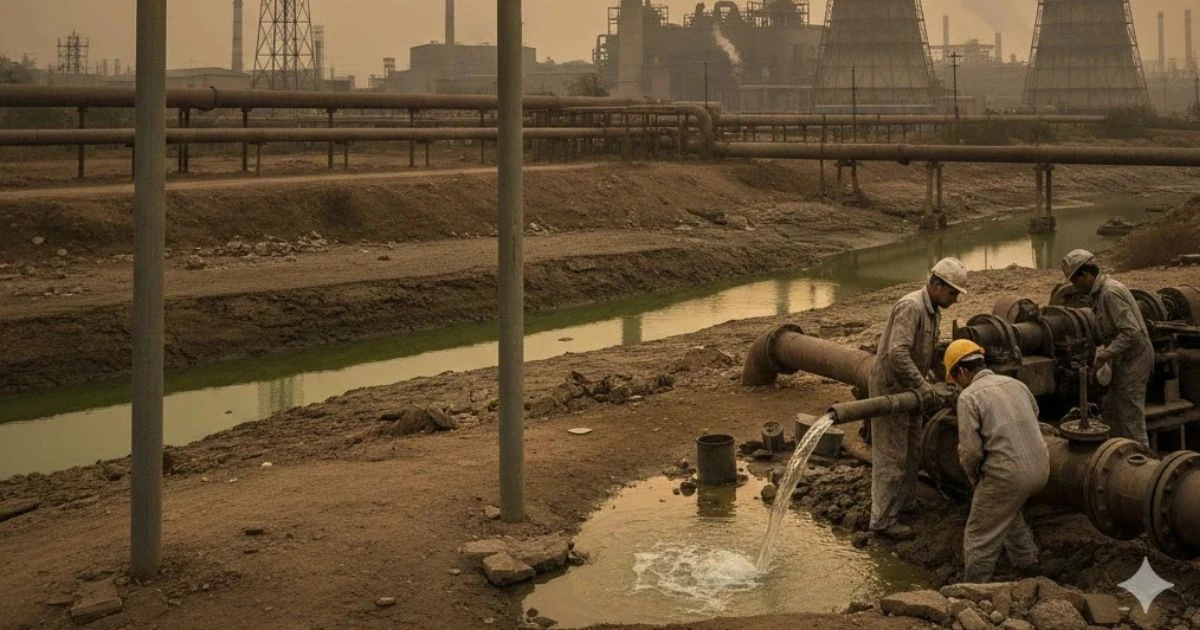
Industrial Water Efficiency is becoming a critical concern for businesses everywhere. Have you ever wondered how much water your business uses in its daily operations? In a water-scarce region like Faisalabad, optimizing water usage through industrial water efficiency is no longer just a smart business decision—it’s a survival strategy.
Faisalabad, often called the “Manchester of Pakistan,” is an industrial powerhouse, particularly in textiles, manufacturing, and agriculture. However, as industrial growth accelerates, so does the demand for water. Implementing industrial water efficiency measures is now essential for businesses to reduce costs, protect resources, and remain competitive.
In this blog post, we’ll explore the concept of process water efficiency in Faisalabad, how industries can implement water sustainability measures, and why these efforts are crucial for the long-term success of businesses. By the end, you’ll have actionable insights to reduce water usage, save costs, and contribute to a sustainable future.
What Is Process Water Efficiency, and Why Is It Important for Faisalabad’s Industries?
Understanding Process Water Efficiency
Process water efficiency refers to the careful management and reduction of water used in industrial processes. In Faisalabad, water is a critical input for many sectors, particularly textiles, dyeing, and agriculture. However, using water efficiently isn’t just about conserving the resource—it’s about maximizing value. Efficient processes can reduce costs, improve production rates, and minimize environmental impact.
Why It Matters in Faisalabad
Faisalabad’s industries are among the largest consumers of water in the region. A typical textile dyeing plant, for example, can use thousands of liters of water daily. With the growing pressure on water supplies, inefficient use of water is not only unsustainable but also costly. By focusing on process water efficiency, businesses in Faisalabad can reduce water waste, lower operational costs, and stay competitive in an increasingly eco-conscious market.
How Can Faisalabad’s Industries Improve Industrial Water Efficiency?
Key Strategies for Improving Process Water Efficiency
- Water Recycling and Reuse: One of the most effective strategies for water efficiency is the implementation of water recycling systems. Many textile and manufacturing businesses in Faisalabad have begun to recycle water from one part of the process to another. This significantly reduces the volume of fresh water needed and cuts operational costs.
- Optimizing Water Treatment Systems: Implementing advanced water treatment solutions, like reverse osmosis and ultrafiltration, can ensure that water is clean and safe for reuse. This not only improves water quality but also enhances operational efficiency by reducing downtime caused by water-related issues.
- Leak Detection and Repair: Regular inspections to detect and fix leaks are essential for minimizing water wastage. Even small leaks can lead to significant water loss over time, so proactive maintenance is key.
- Employee Training and Awareness: Educating employees about the importance of water conservation and how to spot inefficiencies in daily operations can drive better water usage practices at the grassroots level.
Pro Tip: Installing smart meters to track water usage in real time can help identify areas where water usage is higher than necessary, leading to more targeted solutions.
What Role Does Water Sustainability Play in Faisalabad’s Future?
Water Sustainability: A Key Driver of Long-Term Growth
Water sustainability in Faisalabad goes hand-in-hand with process water efficiency. It’s about ensuring that the water used by industries does not compromise future generations’ ability to access clean water. By embracing sustainable practices, businesses in Faisalabad can reduce their environmental footprint while enhancing their reputation in global markets.
How Water Sustainability Benefits Faisalabad’s Economy
- Cost Savings: Water-efficient businesses save money by reducing their water and energy consumption. In Faisalabad’s textile industry, which uses water-intensive processes like dyeing, adopting water-saving technologies can result in significant cost reductions.
- Compliance with Regulations: As environmental regulations become more stringent, companies that invest in water sustainability are better prepared to comply with local and international standards. Non-compliance can lead to fines and reputational damage.
- Competitive Advantage: Sustainable businesses are more attractive to investors and customers who are increasingly prioritizing environmental responsibility. In Faisalabad, water-efficient companies are gaining a competitive edge, both locally and internationally.
Case Study: A leading textile manufacturer in Faisalabad, by investing in water recycling systems and reducing its water consumption by 30%, saw an annual savings of over 1 million PKR. Additionally, they enhanced their brand image and attracted eco-conscious customers, boosting their market share.
What Are the Challenges in Implementing Water Efficiency Practices?
Overcoming Common Barriers to Water Efficiency
Despite the clear benefits of process water efficiency and sustainability, many businesses in Faisalabad face challenges when implementing these practices. Here are some common hurdles:
- High Initial Investment: Advanced water treatment and recycling systems can be expensive to install, which discourages small and medium enterprises (SMEs) from adopting them. However, the long-term savings often outweigh the initial costs.
- Lack of Expertise: Many businesses lack the in-house expertise to design and implement water-efficient processes. Partnering with experts in water management can help bridge this gap.
- Resistance to Change: Employees and management may resist changes to established processes, especially if the benefits aren’t immediately clear. This can be overcome through proper training and demonstrating the financial and environmental advantages.
Pro Tip: Collaborating with water efficiency consultants or industry bodies can provide access to knowledge and resources that make the transition smoother.
How Can Technology Enhance Water Efficiency in Faisalabad?
Leveraging Technology for Water Conservation
Technological advancements are playing a pivotal role in improving process water efficiency in industries. Here’s how:
- Internet of Things (IoT) Sensors: IoT sensors can monitor water usage in real-time, providing businesses with detailed insights into where and how water is being used. This data can be used to optimize processes and identify inefficiencies.
- Automated Control Systems: These systems can regulate water flow automatically, ensuring that only the required amount of water is used in each process. This reduces wastage and enhances efficiency.
- Advanced Treatment Technologies: New technologies in water filtration, such as membrane bioreactors and electrocoagulation, are making it easier to treat and recycle water at a higher quality, reducing dependency on fresh water.
What Are Some Real-World Success Stories of Water Efficiency in Faisalabad?
Mini Case Study: Textile Industry’s Water Reduction Journey
A textile factory in Faisalabad was struggling with high water consumption, leading to increasing costs and environmental concerns. They implemented a water treatment system that recycled 50% of their water. In addition, they trained their workforce on the importance of water conservation and optimized their processes using automated control systems. As a result, the company reduced its water usage by 35%, cut costs by 15%, and improved its environmental footprint, earning certification from a major international eco-label.
Mini Case Study: Agro-Industrial Water Sustainability
An agro-based manufacturing unit in Faisalabad adopted a closed-loop water system, where water used for cleaning and processing was treated and reused. They also invested in rainwater harvesting, which provided additional water sources during the dry season. This approach reduced their reliance on groundwater, making them more resilient to water scarcity.
Conclusion: The Path Forward for Faisalabad’s Industries
As Faisalabad’s industrial sector continues to grow, adopting process water efficiency and water sustainability practices will be essential for future success. The benefits—ranging from cost savings to improved regulatory compliance and enhanced brand reputation—make these strategies crucial for businesses seeking to stay competitive in a resource-constrained world.
By embracing innovative technologies, optimizing water usage, and fostering a culture of sustainability, Faisalabad’s industries can pave the way toward a more sustainable, prosperous future. Start your water efficiency journey today, and be a part of the global shift toward responsible water management.
FAQ Section
- What are the main benefits of process water efficiency for businesses in Faisalabad?
Process water efficiency reduces operational costs, improves sustainability, and enhances compliance with environmental regulations. It also helps businesses gain a competitive advantage in the market. - How can Faisalabad industries implement water recycling?
Industries can install water recycling systems to treat and reuse water within their operations. This reduces the demand for fresh water, cuts costs, and minimizes waste. - Is it expensive to adopt water efficiency practices in Faisalabad?
While initial investments in water-efficient technologies can be high, the long-term savings often offset the costs. Financial incentives and government programs may also help mitigate the upfront costs. - How can technology help in improving water efficiency in Faisalabad?
Technologies like IoT sensors, automated control systems, and advanced water treatment technologies help businesses monitor, manage, and optimize water use, ensuring greater efficiency and sustainability. - What challenges do Faisalabad’s businesses face in adopting water sustainability practices?
Challenges include high initial costs, lack of technical expertise, and resistance to change. However, partnering with consultants and leveraging government support can help overcome these barriers. - Can small businesses in Faisalabad also benefit from water efficiency practices?
Yes, small businesses can benefit by adopting scalable solutions like rainwater harvesting, leak detection, and employee training, which can significantly reduce water costs. - How can water sustainability improve Faisalabad’s economy?
Water sustainability can attract eco-conscious investors, improve production efficiency, and reduce water-related costs, all of which contribute to the economic growth of the region.