

The Water Crisis and the Need for Filtration Solutions in Sialkot
Are you aware of the growing water scarcity and quality issues faced by industries in Sialkot? In a region that’s known for its thriving industrial sector, water management has become an increasingly urgent challenge. Factories rely heavily on water for production processes, but sourcing clean and reliable water has become a bottleneck. For industries dealing with this issue, the solution lies in effective ultra filtration systems that not only ensure clean water but also optimize usage, reducing wastage and lowering costs.
Sialkot, a hub for industries like sports manufacturing, textiles, and leather, faces a unique set of water-related challenges. As the demand for high-quality products grows, so does the pressure on water resources. This is where Industrial Water Optimization comes into play, a powerful approach to using filtration systems to enhance operational efficiency while conserving water. In this post, we will dive into how industries in Sialkot are leveraging ultra filtration systems to solve their water problems and boost sustainability.
By the end of this article, you’ll gain a clear understanding of how ultra filtration works, the benefits of water optimization, and how Sialkot’s industries can effectively implement these solutions for improved productivity and reduced environmental impact.
What Is Ultra Filtration and Why Is It Important for Industrial Water Use?
Ultra filtration (UF) is a membrane filtration process that removes particles, microorganisms, and large molecules from water. This process uses a semi-permeable membrane with pore sizes that range from 0.01 to 0.1 microns, making it capable of filtering out bacteria, viruses, colloidal particles, and some macromolecules. This makes UF an ideal solution for industries requiring high-quality water for their operations.
In Sialkot, industries such as textiles, sports goods manufacturing, and leather processing demand water that meets stringent quality standards. This is where ultra filtration steps in, offering a solution that ensures clean, contaminant-free water for various industrial applications. Whether it’s for cooling systems, washing processes, or even drinking water in the factories, UF helps to maintain the desired quality while reducing water waste.
Pro Tip: Ultra filtration is highly effective when combined with other water treatment systems like reverse osmosis (RO) or activated carbon filters for comprehensive purification.
How Does Ultra Filtration Optimize Water Use in Sialkot’s Industrial Sector?
The concept of Industrial Water Optimization refers to improving water use efficiency through treatment processes like ultra filtration. By minimizing water wastage, optimizing consumption, and reusing treated water, industries in Sialkot can achieve significant cost savings and sustainability.
Water optimization solutions, such as ultra filtration, are especially beneficial in Sialkot’s textile industry, which uses vast amounts of water for dyeing, washing, and cooling. Many textile factories in the region have adopted ultra filtration systems to treat wastewater and make it reusable, significantly reducing the need for fresh water. This not only conserves valuable water resources but also lowers the costs associated with water procurement.
Another notable example is the sports goods manufacturing sector in Sialkot, where ultra filtration is used to ensure that water used for cleaning and processing raw materials is free from contaminants. The treated water can be reused in the factory’s cooling systems or even in the production process itself, promoting a circular water economy.
Case Study: A textile factory in Sialkot implemented an ultra filtration system that filtered its wastewater to such an extent that it could be reused in the dyeing process. This led to a 40% reduction in water consumption within the first year.
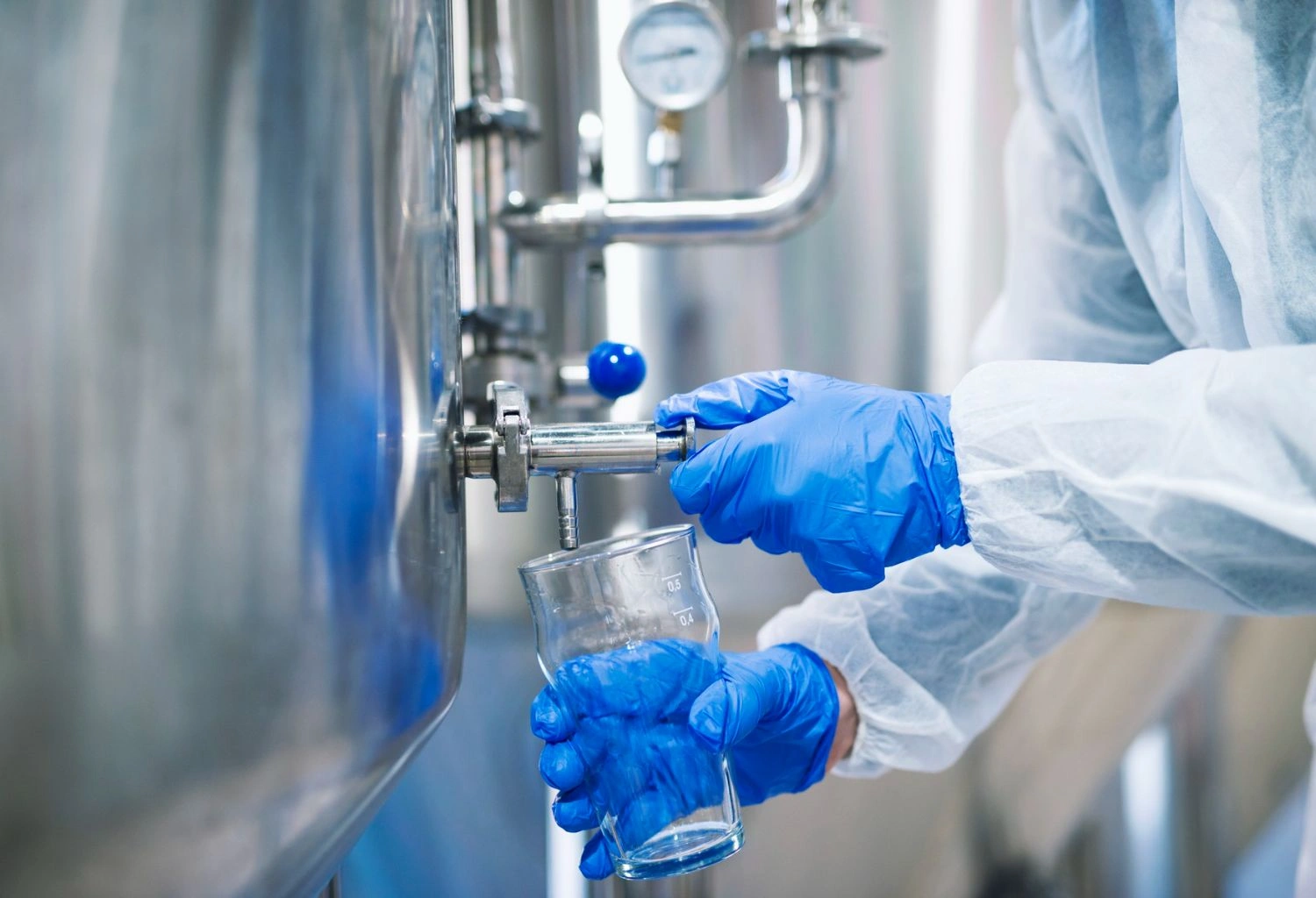
Ultra-filtration Water Plant
What Are the Benefits of Ultra Filtration for Industries in Sialkot?
The adoption of ultra filtration in industrial operations brings a multitude of benefits that go beyond simply improving water quality. Here’s why Sialkot’s industries are increasingly turning to UF for water optimization:
- Improved Water Quality: UF ensures that water is free of harmful contaminants, bacteria, and viruses, which is critical for industries like textiles and food processing where water quality directly impacts product quality.
- Cost Savings: By recycling treated water, businesses can reduce their dependency on external water sources, leading to substantial cost reductions. Furthermore, UF systems are low-maintenance, which helps cut down operational costs.
- Environmental Benefits: Water conservation is at the heart of ultra filtration. By reusing water, industries reduce their environmental footprint, helping them meet regulatory requirements and improve their sustainability practices.
- Enhanced Efficiency: By optimizing water use, industries can improve their operational efficiency. With fewer interruptions due to water shortages or quality issues, production cycles become smoother, resulting in increased productivity.
Expert Insight: “Water optimization is no longer a luxury; it’s a necessity. Industries that adopt ultra filtration systems early will have a competitive edge in terms of cost savings and environmental sustainability,” says an industry expert in water treatment technologies.
What Are Some Examples of Ultra Filtration Projects in Sialkot?
Let’s explore a few real-world examples of how ultra filtration systems have been successfully implemented in Sialkot’s industries.
Example 1: Textile Industry’s Water Reuse Initiative
A major textile factory in Sialkot adopted ultra filtration as part of its water reuse strategy. The UF system treats wastewater generated during washing and dyeing processes, filtering it to a level where it can be reused for similar processes. The installation of the UF system led to a 50% reduction in the factory’s water consumption, providing both economic and environmental benefits.
Example 2: Sports Goods Manufacturing
Another industrial application of ultra filtration in Sialkot can be seen in the sports goods manufacturing sector. The factory installed an ultra filtration system to purify water used for cleaning raw materials. This ensured that only clean water was used in the production of goods like soccer balls, hockey sticks, and other sports equipment. Recycled water was used for cooling, reducing both water wastage and energy consumption.
Example 3: Leather Industry’s Water Quality Enhancement
Leather processing involves high levels of water use, primarily for tanning and washing leather. A leather factory in Sialkot implemented ultra filtration to ensure that the water used in these processes was free from contaminants. The filtration system also helped in reclaiming water from wastewater, reducing the environmental impact of the factory’s operations.
How Can Sialkot’s Industries Implement Ultra Filtration Solutions?
Adopting ultra filtration in Sialkot’s industries requires careful planning and execution. Here’s a step-by-step guide for businesses looking to implement UF systems:
- Assess Water Quality Needs: The first step is to understand the specific water quality requirements for your industry. This could include factors like bacterial contamination, chemical composition, and particle size.
- Choose the Right System: Depending on your water quality requirements, choose the right ultra filtration system. There are various UF systems available, such as hollow fiber membranes, spiral-wound membranes, and tubular membranes, each suited for different applications.
- Install and Integrate: Work with an experienced water treatment service provider to install the UF system and integrate it with your existing water infrastructure. Ensure that the system is compatible with other treatment solutions like reverse osmosis or UV disinfection.
- Monitor and Optimize: Once installed, continually monitor the system’s performance to ensure that it’s meeting the required water quality standards. Make necessary adjustments and optimize the system for better efficiency.
Conclusion: Future of Ultra Filtration in Sialkot’s Industrial Sector
In conclusion, ultra filtration and water optimization are critical to Sialkot’s industrial growth and sustainability. By adopting UF systems, industries can not only reduce their water consumption and operational costs but also contribute to environmental conservation. The region’s factories, from textiles to sports manufacturing, are increasingly leveraging these technologies to maintain product quality, improve efficiency, and stay competitive in a rapidly evolving marketplace.
If you’re an industry leader in Sialkot, it’s time to explore how ultra filtration can be a game-changer for your business. Start by assessing your current water use, and begin implementing filtration systems that optimize both water quality and consumption. Remember, the future of industrial sustainability in Sialkot depends on making smart water management decisions today.
FAQ Section:
1. What is the difference between ultra filtration and reverse osmosis?
Ultra filtration (UF) filters larger particles and microorganisms, while reverse osmosis (RO) removes even smaller particles, including salts and minerals. UF is typically used for pre-treatment or for removing larger contaminants.
2. How does ultra filtration save water in industrial processes?
Ultra filtration helps industries recycle and reuse water by removing contaminants, making wastewater safe for reuse. This reduces the demand for fresh water and minimizes waste.
3. What industries in Sialkot can benefit from ultra filtration?
Industries like textiles, sports goods manufacturing, and leather processing can greatly benefit from ultra filtration systems due to their high water usage and the need for clean water in production processes.
4. Is ultra filtration expensive to install and maintain?
While the initial installation cost can be significant, the long-term savings from reduced water consumption and lower wastewater treatment costs often make UF systems a cost-effective solution. Maintenance is typically low-cost, with regular cleaning required for the membranes.
5. Can ultra filtration remove all contaminants from water?
Ultra filtration is effective at removing larger particles, bacteria, and some macromolecules but may not remove dissolved salts or very small contaminants. For complete purification, it’s often used in combination with other treatment methods.
6. How much water can be saved with ultra filtration in Sialkot industries?
On average, industries in Sialkot have reported up to a 50% reduction in water consumption after implementing ultra filtration systems, depending on the industry and the system used.
7. Is ultra filtration a sustainable solution for Sialkot’s industrial sector?
Yes, ultra filtration is a sustainable solution as it helps conserve water, reduce waste, and lower operational costs, contributing to both environmental and economic benefits.