
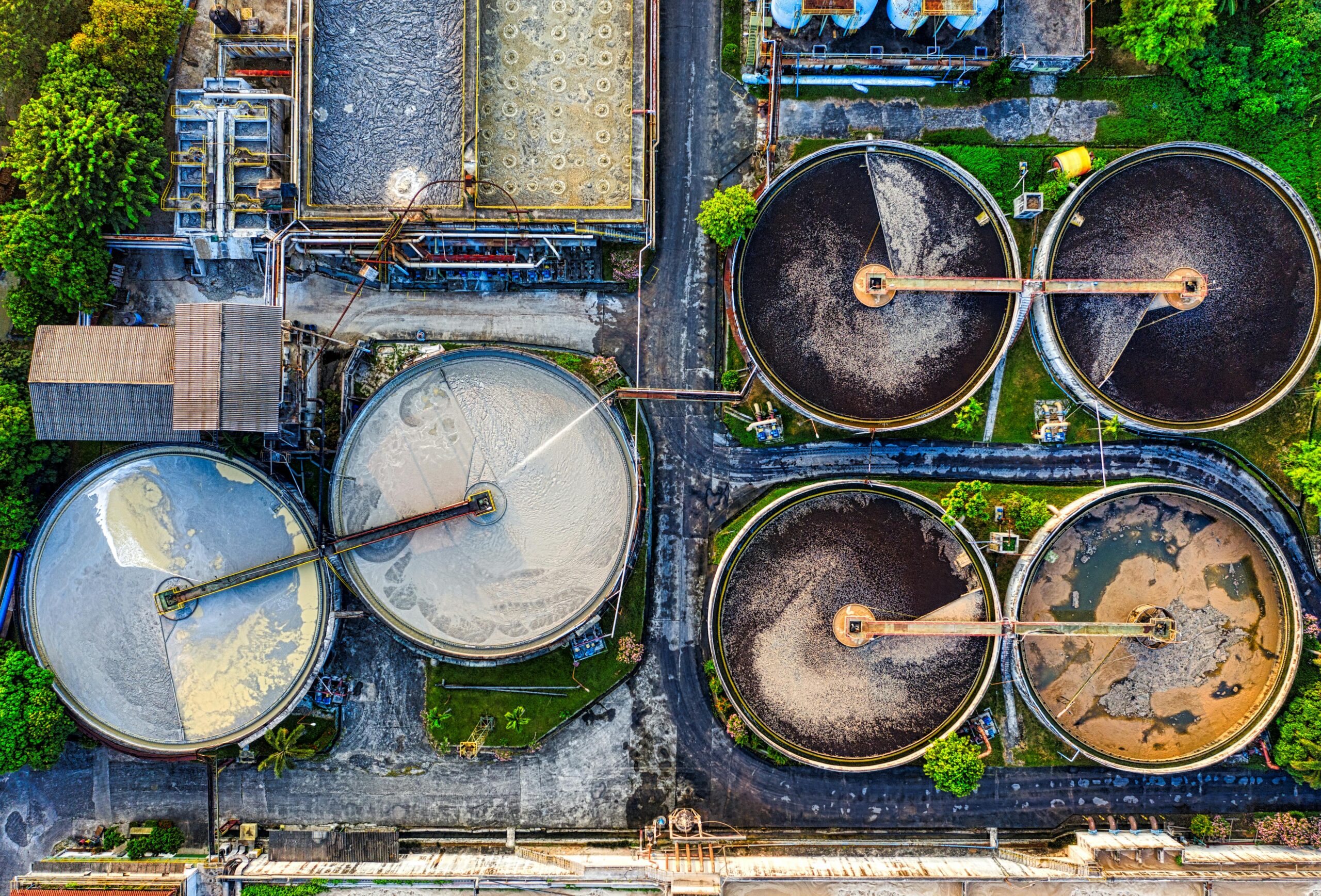
Did you know that industrial wastewater, often dismissed as a costly environmental liability, could actually be a hidden treasure trove of valuable nutrients and critical minerals? In Pakistan, as industries continue to grow, the amount of wastewater generated is rising exponentially. However, many businesses fail to recognize the immense potential within this waste.
This article will explore the transformative potential of resource recovery from wastewater, especially in the context of Pakistan. We’ll discuss how recovering nutrients and critical minerals from industrial wastewater not only promotes a circular economy but also offers financial and environmental benefits. By the end, you’ll have a clear understanding of how Pakistan can turn its industrial wastewater problem into a wealth of resources.
What is Resource Recovery from Wastewater?
In simple terms, resource recovery from wastewater refers to extracting valuable materials like nutrients (nitrogen, phosphorus) and minerals (magnesium, potassium) from wastewater streams. Traditionally, wastewater was treated merely to meet disposal standards. Today, however, the focus is shifting towards extracting resources that can be reused, reducing the need for raw materials and energy, thus promoting a circular economy.
Why Does Pakistan Need Resource Recovery in Wastewater?
Pakistan is home to a thriving industrial sector, contributing significantly to its economy. However, the rapidly growing industries have created a surge in wastewater production, much of which contains valuable nutrients and minerals. At the same time, Pakistan’s agricultural sector, heavily reliant on fertilizers, is also facing challenges due to resource scarcity and high costs.
Recovering these nutrients and minerals can provide a sustainable alternative to chemical fertilizers, reduce the environmental impact, and create economic opportunities. By tapping into the potential of resource recovery in wastewater, Pakistan can address its growing water scarcity issue, reduce environmental pollution, and ensure the sustainable use of resources for future generations.
How Can Nutrients Be Recovered from Wastewater?
One of the most sought-after nutrients in wastewater is nitrogen, which is essential for plant growth. In wastewater, nitrogen typically appears as ammonia, which can be harmful if left untreated. However, various technologies like nitrification-denitrification and stripping technologies can be employed to extract nitrogen from wastewater for agricultural use as fertilizers.
Another important nutrient is phosphorus, commonly found in detergents and industrial effluents. Phosphorus is essential for the growth of plants and crops, and its extraction from wastewater could significantly reduce the need for mined phosphate, which is a limited resource. Techniques like struvite precipitation have been successfully used to recover phosphorus from wastewater, providing an eco-friendly alternative to traditional mining.
Pro Tip: The stripping method for nitrogen recovery has been successfully implemented in various countries like the US and Europe, where nutrient-rich wastewater is treated and used in agricultural applications.
What Critical Minerals Can Be Recovered from Industrial Wastewater?
Wastewater isn’t just rich in nutrients—it’s also a valuable source of critical minerals like magnesium, potassium, calcium, and even rare earth elements (REEs). These minerals play an essential role in various industries, including agriculture, electronics, and manufacturing.
- Magnesium and potassium are vital for agricultural applications. Extracting these minerals from wastewater can not only ensure a stable supply of essential elements but also reduce reliance on imported fertilizers.
- Rare Earth Elements: Although often overlooked, industrial wastewater can contain trace amounts of REEs such as lanthanum, cerium, and neodymium. These elements are crucial in electronics, renewable energy technology (like wind turbines and electric vehicles), and defense systems.
The recovery of critical minerals from wastewater, though in its early stages in Pakistan, holds immense potential for local industries, offering a more sustainable approach to supply chain management.
Real-World Case Study: Resource Recovery in Singapore
In Singapore, the PUB (Public Utilities Board) has implemented a wastewater resource recovery system, extracting both nutrients and critical minerals for reuse. The country has built a reputation for wastewater reclamation, with advanced systems like the NEWater Project, which treats and recycles wastewater for use in industries and agriculture. Pakistan can learn from such successful case studies and implement similar strategies in its industrial sectors.
How Does Resource Recovery Contribute to a Circular Economy?
A circular economy is one where resources are used efficiently, and waste is minimized by recycling materials. Resource recovery from wastewater directly aligns with the principles of the circular economy by turning industrial waste into valuable raw materials.
By reusing nutrients and minerals from wastewater, industries can:
- Reduce their dependency on external raw materials, including fertilizers and minerals.
- Lower waste treatment costs by creating a market for recovered resources.
- Help mitigate environmental pollution by ensuring wastewater is treated effectively.
Moreover, the recovery of these valuable resources supports sustainability goals, such as reducing carbon emissions, conserving natural resources, and minimizing water consumption.
Pro Tip: One of the most promising advancements in resource recovery is the use of biological treatments combined with membrane filtration, which allows for high-efficiency extraction of both nutrients and minerals, making wastewater treatment systems not only more sustainable but also economically viable.
What Are the Challenges in Implementing Resource Recovery from Wastewater in Pakistan?
While the benefits of resource recovery from wastewater are clear, implementing such systems in Pakistan faces several challenges:
- Lack of Awareness: Many industries are unaware of the potential economic and environmental benefits of recovering nutrients and minerals from wastewater.
- Infrastructure Deficiencies: The technology for resource recovery is capital intensive, and many local industries may not have the financial resources to adopt advanced systems.
- Regulatory Framework: Pakistan’s regulatory environment around wastewater treatment and resource recovery is still in its infancy, which may hinder widespread adoption.
However, these challenges are not insurmountable. With appropriate policy support, technology adoption, and industry awareness campaigns, Pakistan can overcome these hurdles and create a sustainable model for wastewater management and resource recovery.
How Can Businesses and Industries in Pakistan Implement Resource Recovery?
To start recovering nutrients and minerals from wastewater, businesses and industries can follow these steps:
Step 1: Assess Current Wastewater Management Practices
Identify the current methods of wastewater treatment and assess whether they incorporate resource recovery elements. Many industries in Pakistan are still using traditional methods that only focus on treatment, not recovery.
Step 2: Invest in the Right Technology
Businesses should invest in modern technologies like membrane bioreactors, biofilters, and electrochemical processes that help recover valuable nutrients and minerals. Collaboration with international companies that specialize in wastewater treatment technologies can also help accelerate the process.
Step 3: Partner with Research Institutions
Collaborating with universities and research institutions can provide valuable insights into the latest trends in resource recovery. In fact, universities in Pakistan have already started pilot projects to test nutrient recovery from wastewater.
Step 4: Create a Market for Recovered Resources
Develop a strategy to market the recovered nutrients and minerals to local agricultural sectors, fertilizer manufacturers, and industrial processes. Creating a local market for these resources will enhance their economic viability and encourage more industries to participate.
Conclusion: Turning Waste into Wealth for a Sustainable Future
By investing in resource recovery from wastewater, Pakistan has the potential to unlock valuable nutrients and critical minerals that can fuel its agricultural and industrial sectors. This not only supports the circular economy but also contributes to a more sustainable, economically viable future for the country.
As we’ve seen in other parts of the world, including Singapore, the technologies and approaches are already available to make this transformation a reality. With the right infrastructure, policies, and investments, Pakistan can start turning its wastewater problems into resource opportunities—benefiting both businesses and the environment.
Next Steps:
- Begin researching and investing in wastewater resource recovery technologies.
- Collaborate with research institutions to explore new methods of recovery.
- Advocate for regulatory changes that support the circular economy in wastewater management.
FAQ Section
What is resource recovery from wastewater?
Resource recovery from wastewater refers to the process of extracting valuable nutrients and minerals from industrial wastewater for reuse, reducing waste and promoting sustainability.
Why is resource recovery important for Pakistan?
It can reduce dependence on imported fertilizers, minimize environmental pollution, and promote a circular economy, all of which are crucial for sustainable development in Pakistan.
What critical minerals can be recovered from wastewater?
Critical minerals like magnesium, potassium, calcium, and rare earth elements can be recovered from industrial wastewater, providing a sustainable supply for industries such as agriculture and electronics.
How does resource recovery contribute to a circular economy?
Resource recovery from wastewater reduces waste, conserves resources, and enables the reuse of nutrients and minerals, which supports the principles of a circular economy.
What are the challenges in implementing resource recovery in Pakistan?
Challenges include lack of awareness, inadequate infrastructure, and a limited regulatory framework. However, these can be overcome with the right policies and investments.
How can businesses in Pakistan implement resource recovery?
Businesses can assess current wastewater management practices, invest in modern technologies, collaborate with research institutions, and create markets for recovered resources to successfully implement resource recovery.