
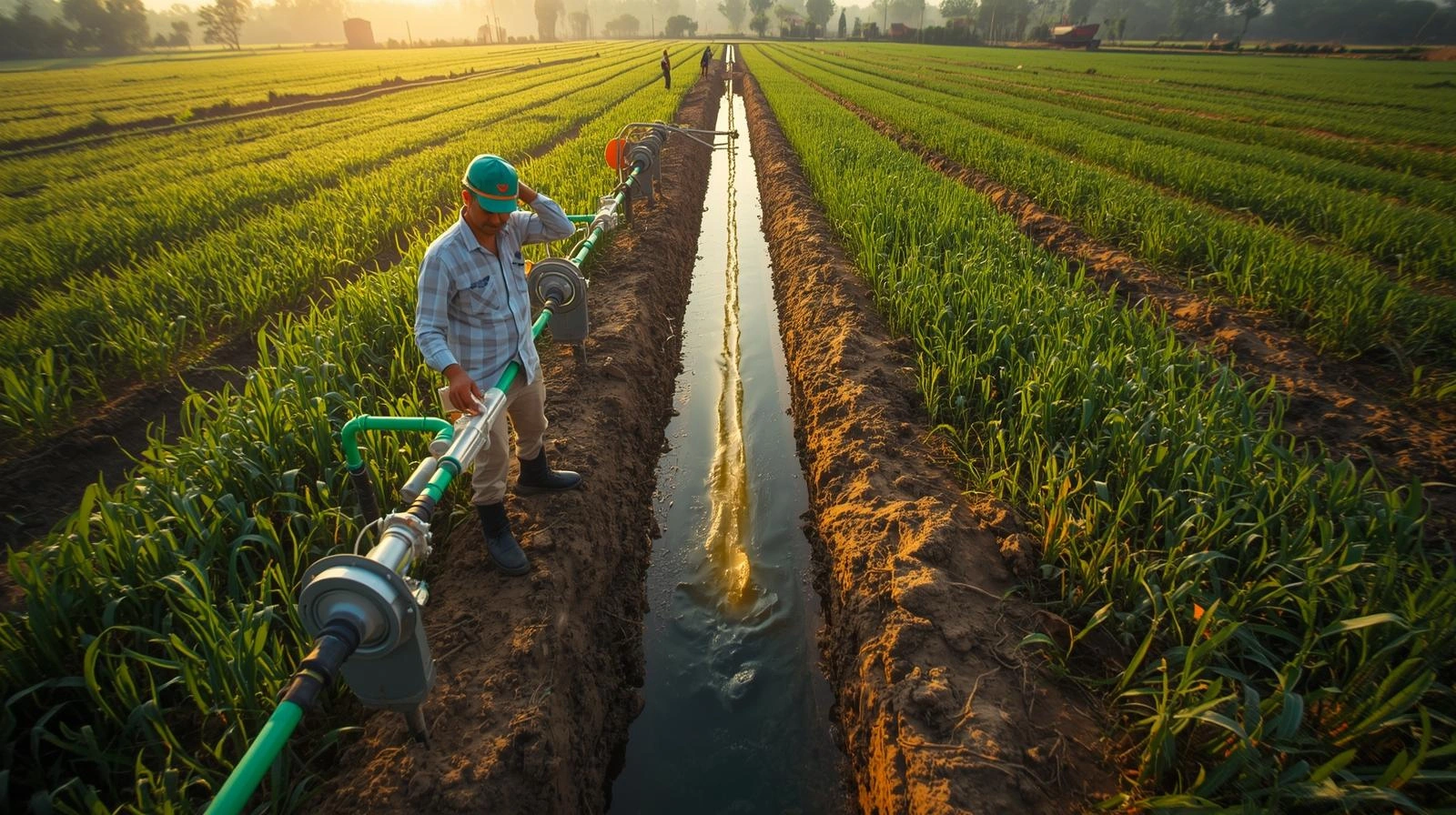
Solving the Water Crisis in Agriculture
Have you ever wondered how agricultural businesses like Multan Farms are improving their water usage, ensuring sustainability, and boosting crop yields? For farmers, water is life—yet, many still struggle with inefficient irrigation systems and water quality issues. The good news is that innovative water treatment solutions are here to help.
Multan Farms, located in one of the most agriculturally intensive regions, faces the challenge of efficiently managing water resources while optimizing crop growth. In this post, we’ll explore how tailored water treatment systems have revolutionized irrigation at Multan Farms, improving both water efficiency and crop yields. You’ll learn actionable strategies, real-world examples, and key takeaways for your own agricultural operations.
Why Is Water Treatment Crucial for Multan Farms’ Irrigation Systems?
What Role Does Water Treatment Play in Agriculture?
Water treatment involves purifying and optimizing water to meet the specific needs of agricultural systems. Multan Farms, like many others in the region, relies on water from natural sources, which often carries impurities like salts, minerals, and pathogens. These contaminants can negatively impact soil health, crop growth, and irrigation efficiency.
By implementing water treatment solutions, farms can purify water, remove harmful elements, and enhance irrigation systems to ensure healthier crops and higher yields. This approach not only promotes sustainability but also maximizes the use of available water resources—critical in regions where water scarcity is a growing concern.
How Does Tailor-Made Water Treatment Help Improve Irrigation?
A one-size-fits-all water treatment solution doesn’t always meet the unique needs of each farm. Tailor-made solutions, designed specifically for Multan Farms, help address local water conditions, such as water salinity or high mineral content, and adapt irrigation systems accordingly.
For example, if water from the farm’s source has high salinity, a specialized desalination treatment can be applied to prevent salt buildup in the soil, which can otherwise hinder plant growth. These custom treatments enhance water quality, making it more suitable for irrigation, ensuring efficient water delivery, and improving crop health.
Pro Tip: Assessing the unique needs of your farm’s water source is crucial before investing in a water treatment system. Speak with experts to identify your water’s specific challenges—whether it’s hardness, salinity, or contamination.
What Are the Key Benefits of Tailor-Made Water Treatment Systems for Farms?
How Do These Systems Conserve Water?
The importance of water conservation in agriculture cannot be overstated, especially in arid regions like Multan. Tailor-made water treatment systems can optimize irrigation by ensuring that only the highest quality water is used for crops. This reduces waste, improves water use efficiency, and conserves vital resources.
In addition, treated water can be recycled and reused, which decreases reliance on freshwater sources. Multan Farms uses systems that treat and recycle water in a closed-loop system, ensuring minimal water wastage while sustaining their operations year-round.
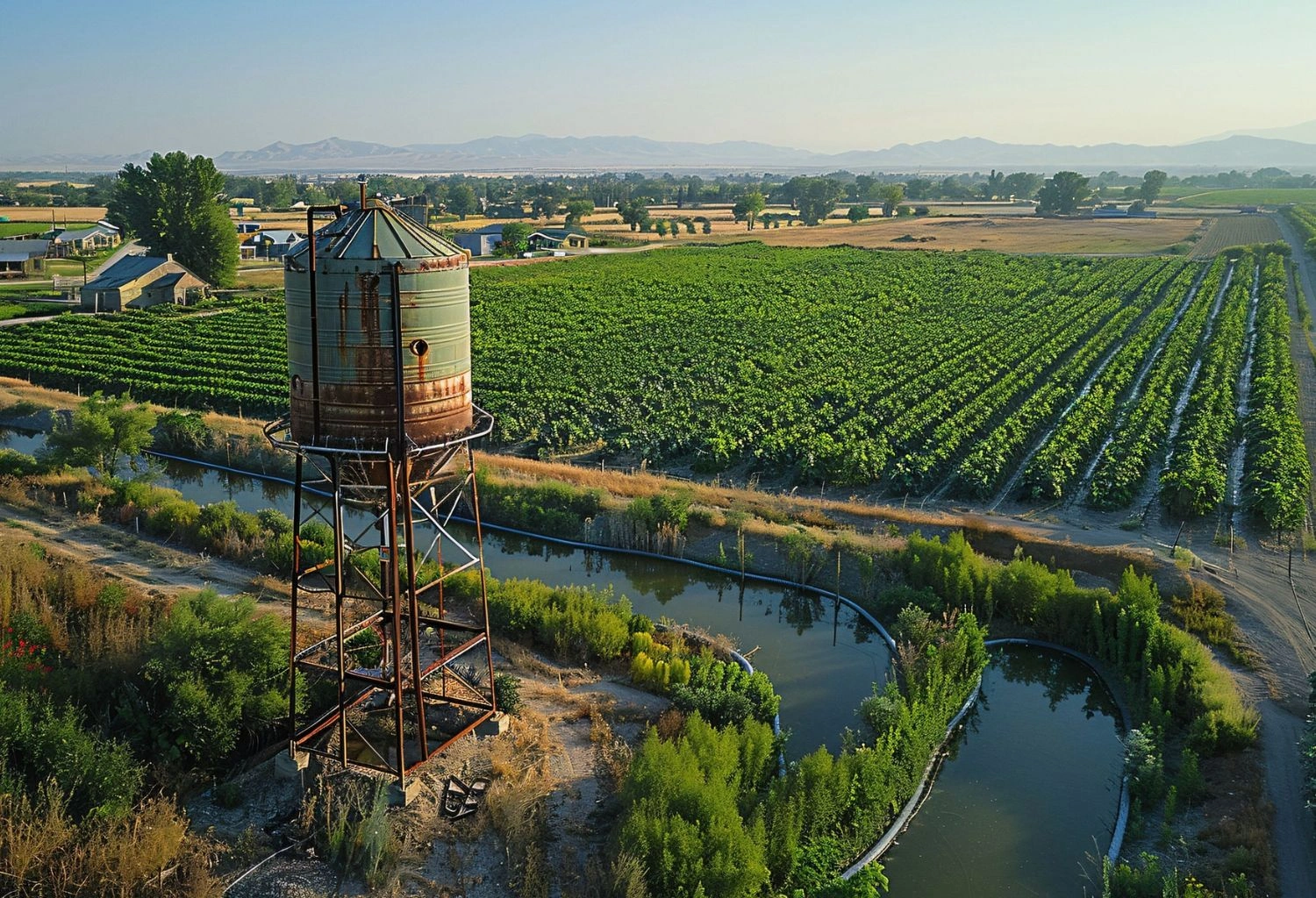
Wastewater Treatment for Agriculture
What Impact Does Water Treatment Have on Crop Yields?
By improving the quality of water used in irrigation, farms can see significant improvements in crop yields. Poor water quality can stunt plant growth, reduce nutrient uptake, and increase susceptibility to diseases. With tailored water treatment, Multan Farms has seen a marked improvement in their crops’ health and productivity.
For instance, the treatment of hard water with softening systems has prevented the buildup of minerals that could have stunted plant growth. As a result, Multan Farms has experienced higher-quality crops with fewer water-related diseases.
How Does Water Treatment Contribute to Sustainability?
Sustainability is a critical concern for modern farming. Tailor-made water treatment systems not only boost efficiency but also help farms reduce their environmental impact. By recycling water and ensuring its quality, these systems help preserve groundwater reserves, prevent over-extraction from natural water sources, and reduce the risk of soil salinization.
Multan Farms has made significant strides in reducing its water footprint by implementing systems that minimize waste and reuse treated water. This sustainable approach has garnered attention, positioning the farm as a leader in water-efficient agriculture in the region.
What Types of Water Treatment Technologies Are Used in Agriculture?
Which Treatment Solutions Are Best for Irrigation?
When selecting water treatment technologies, the specific needs of a farm’s water source must be considered. Some of the most effective treatment solutions for irrigation include:
- Reverse Osmosis (RO) Systems: These systems remove dissolved salts, minerals, and other contaminants from water, making it ideal for irrigation. RO systems are particularly effective for treating brackish water, common in regions like Multan.
- Ultraviolet (UV) Sterilization: UV sterilization systems kill harmful pathogens and bacteria in the water, ensuring that crops are not exposed to waterborne diseases.
- Water Softening: Hard water, rich in minerals like calcium and magnesium, can affect plant growth. Water softening systems remove these minerals, making the water more suitable for irrigation.
- Filtration Systems: Pre-filtration removes larger particles and debris from water, preventing blockages in irrigation pipes and reducing maintenance costs.
Expert Insight: Understanding the quality of your water source is key to choosing the right treatment system. You can conduct water tests to determine the presence of salts, pathogens, or other contaminants before deciding on a treatment solution.
How Are These Technologies Integrated with Existing Irrigation Systems?
At Multan Farms, integrating water treatment with the irrigation system involves syncing treatment stages with irrigation cycles. For example, water treated with reverse osmosis may be stored in a reservoir and distributed through drip irrigation systems that deliver water directly to the plant roots, minimizing evaporation.
Advanced sensors and monitoring systems are also incorporated into the setup to track water quality and flow, ensuring that only the best-treated water reaches the crops. This level of automation not only improves efficiency but also reduces human error, ensuring a more precise irrigation process.
How Much Does Tailor-Made Water Treatment Cost for Farms?
Is It Worth the Investment?
The initial cost of installing a tailor-made water treatment system can be significant, but the long-term savings and benefits outweigh the expense. Multan Farms has reported that their investment in water treatment has resulted in lower water bills, reduced crop diseases, and higher yields—ultimately increasing the farm’s profitability.
Costs vary based on the size of the farm, the complexity of the treatment system, and the technology used. However, the return on investment can be realized within a few seasons, particularly for farms in areas with unreliable water quality or water scarcity issues.
Pro Tip: When evaluating the cost of water treatment systems, consider the potential savings from reduced water waste, lower energy costs (if using pumps), and increased crop production.
Case Studies: Real-World Applications of Water Treatment in Agriculture
Multan Farms: A Success Story
At Multan Farms, the introduction of a custom-designed water treatment system has been a game-changer. Faced with water quality issues and high operational costs, the farm implemented a comprehensive solution that included reverse osmosis for desalination, UV sterilization, and a water recycling system. Within two years, the farm reported a 30% increase in crop yield and a 40% reduction in water consumption.
Other Farms Adopting Water Treatment Solutions
Other farms in the region have followed Multan’s lead by investing in water treatment technologies. For example, a farm in nearby Dera Ghazi Khan adopted water softening systems and saw a 25% improvement in irrigation efficiency. These solutions have helped local farmers combat the effects of water salinity and improve the consistency of their crop outputs.
Conclusion: Tailored Water Treatment—A Smart Investment for Future-Proof Farming
The benefits of tailored water treatment systems for irrigation at Multan Farms cannot be overstated. Not only do these systems help conserve water and improve crop yields, but they also promote sustainability and economic viability in the long run. As water scarcity becomes an increasing concern, more farms around the world will need to adopt similar strategies to stay competitive.
By implementing the right water treatment technologies, farmers can ensure that they’re using their water resources as efficiently as possible, protecting the environment, and securing a more profitable future.
Call-to-Action: Are you ready to improve your irrigation system and water usage? Invest in a tailored water treatment solution today. Reach out to experts in the field and explore the options best suited for your farm.
FAQ Section
Q1: How does water treatment improve crop yields?
A1: Water treatment removes harmful contaminants from irrigation water, leading to healthier crops with better growth and higher yields.
Q2: What water treatment solutions are best for Multan Farms?
A2: Reverse osmosis, UV sterilization, and water softening are effective solutions for farms in regions with high salinity and mineral content.
Q3: Is the cost of water treatment worth the investment?
A3: Yes, the investment pays off through improved crop yields, water conservation, and reduced operational costs, leading to long-term savings.
Q4: How can water treatment help with water scarcity?
A4: Tailored treatment systems recycle and optimize water use, reducing waste and reliance on freshwater sources, which is crucial in regions facing water scarcity.
Q5: How do I choose the right water treatment system for my farm?
A5: Conduct water quality tests to identify specific issues like salinity or hardness, then work with experts to select the best treatment solution for your needs.
Q6: Can water treatment be automated for better efficiency?
A6: Yes, modern water treatment systems can be integrated with irrigation systems, using sensors and automation for optimal water quality and distribution.