
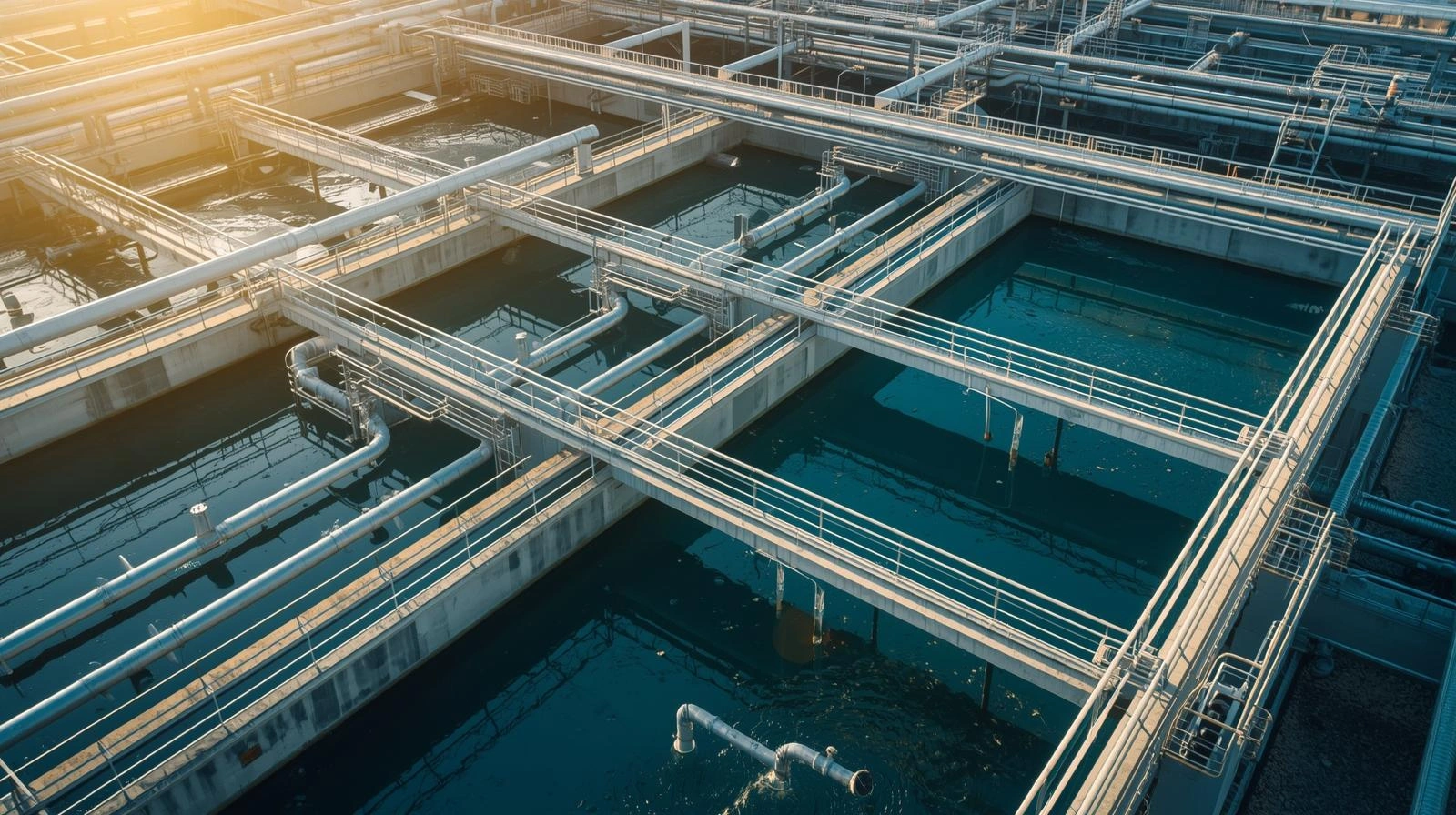
Have you ever wondered how Faisalabad, one of Pakistan’s industrial hubs, is tackling the growing challenge of wastewater treatment while conserving energy? Industrial growth often brings with it the challenge of managing the enormous amounts of wastewater generated, and Faisalabad is no exception. With its textile, manufacturing, and chemical industries, this city faces significant environmental challenges.
But here’s the good news: energy-efficient effluent treatment in Faisalabad is not only possible, it’s already happening. In this blog post, you’ll discover how businesses are implementing sustainable wastewater treatment methods that cut costs, improve environmental impact, and comply with regulations. We’ll dive deep into the specifics of energy-efficient effluent treatment, its benefits, and the most successful methods in use today.
What is Energy-Efficient Effluent Treatment, and Why Does It Matter?
Effluent treatment refers to the process of removing pollutants from wastewater before it is released back into the environment. For industries like textiles, manufacturing, and chemicals, this is critical in reducing environmental pollution. Traditional effluent treatment systems consume significant amounts of energy, driving up operational costs and contributing to the carbon footprint.
Energy-efficient effluent treatment, however, leverages advanced technologies to reduce energy consumption while maintaining effective wastewater treatment standards. This approach benefits not only the environment but also the industries by lowering their operating expenses.
Why Should Faisalabad’s Industries Adopt Energy-Efficient Effluent Treatment?
Faisalabad’s industries face stringent regulations related to wastewater treatment, especially in sectors like textiles, which are water-intensive. With a growing global emphasis on sustainability and reduced carbon emissions, adopting energy-efficient systems isn’t just an option – it’s an imperative. Here are a few reasons why:
- Cost Reduction: Energy-efficient systems reduce electricity and operational costs by minimizing energy use.
- Environmental Impact: They help industries meet environmental standards and reduce their carbon footprint.
- Regulatory Compliance: With increasing environmental regulations, energy-efficient treatment methods ensure businesses stay compliant.
- Global Competitiveness: In the global market, businesses that adopt green technologies are increasingly seen as more sustainable and responsible.
What Are the Most Common Energy-Efficient Effluent Treatment Technologies in Faisalabad?
1. Membrane Bioreactors (MBRs)
Membrane Bioreactors combine biological treatment with membrane filtration, making them one of the most efficient wastewater treatment technologies available. MBRs offer several advantages:
- High Efficiency: MBRs can filter out fine particles and pollutants at a much higher rate than conventional systems.
- Compact Design: These systems are smaller and more efficient, saving space and energy.
- Minimal Energy Consumption: Modern MBR systems are designed to operate with low energy input, making them ideal for energy-efficient wastewater treatment.
Case Study: In Faisalabad, a textile manufacturing unit implemented MBR technology, reducing their energy consumption by 30% while achieving compliance with local wastewater regulations.
2. Activated Sludge Process (ASP) with Energy Recovery
The Activated Sludge Process is one of the most common methods used for industrial wastewater treatment. In energy-efficient designs, ASP systems are integrated with energy recovery systems that capture excess energy generated during treatment. These systems use anaerobic digestion to convert organic matter into biogas, which can be used as a power source for the treatment plant.
Pro Tip: Energy recovery can reduce the reliance on external power sources and significantly reduce operational costs. By optimizing sludge digestion, industries can convert waste into energy.
3. Reverse Osmosis (RO)
Reverse Osmosis is a filtration technology that removes contaminants from water by pushing it through a semipermeable membrane. It’s commonly used in industries to treat wastewater and reuse it for various industrial processes, significantly reducing water consumption. With improvements in energy-efficient pumps and membranes, modern RO systems use less energy than their predecessors.
Example: A textile mill in Faisalabad installed an energy-efficient RO system that reduced their water consumption by 40%, while also cutting their energy usage by 25%.
How Can Faisalabad’s Industries Benefit from Energy-Efficient Effluent Treatment?
1. Cost Savings
Energy-efficient effluent treatment systems drastically lower energy bills. In Faisalabad’s textile and manufacturing sectors, where water and energy costs are among the highest operational expenses, energy-efficient solutions help businesses save money in the long run.
Real-World Example: A textile factory in Faisalabad switched to a low-energy membrane filtration system and saved approximately 20% in energy costs annually, amounting to millions of rupees.
2. Improved Environmental Footprint
Adopting energy-efficient effluent treatment not only reduces costs but also supports environmental sustainability. By minimizing energy use and enhancing water reuse, these systems help businesses reduce their carbon footprint, contributing to a cleaner, healthier environment.
Statistical Insight: The World Bank estimates that the textile industry, which plays a major role in Faisalabad’s economy, accounts for 20% of the global industrial wastewater pollution. Implementing energy-efficient treatment could drastically reduce this pollution, improving the city’s environmental health.
3. Enhanced Corporate Reputation
Sustainability is no longer a buzzword—it’s a demand from consumers, investors, and governments. Industries in Faisalabad that prioritize energy-efficient effluent treatment position themselves as forward-thinking, socially responsible, and committed to sustainability, which can improve their brand image and increase market competitiveness.
What Are the Challenges Faced by Faisalabad’s Industries in Implementing Energy-Efficient Effluent Treatment?
1. High Initial Investment
While the long-term savings from energy-efficient systems are clear, the initial investment can be significant. Small and medium-sized enterprises (SMEs) in Faisalabad, especially those in the textile sector, may find the upfront costs of advanced wastewater treatment technologies prohibitive.
Solution: Government incentives, grants, or subsidies for green technologies can help ease the financial burden of adopting energy-efficient solutions.
2. Lack of Technical Expertise
Another challenge faced by Faisalabad’s industries is the lack of local technical expertise to implement and maintain sophisticated energy-efficient wastewater treatment systems. This gap in skills can lead to suboptimal system performance.
Solution: Partnering with international experts or investing in local workforce training can bridge this knowledge gap. Companies can also work with consultancy firms that specialize in industrial wastewater management.
3. Regulatory and Compliance Challenges
Faisalabad’s industries must comply with stringent environmental regulations. However, there can be confusion about these rules and the best technologies to adopt for compliance.
Pro Tip: Staying updated on local environmental regulations and collaborating with regulatory bodies can help businesses ensure that their wastewater treatment systems meet compliance standards.
How Can Faisalabad’s Government Support the Transition to Energy-Efficient Effluent Treatment?
1. Incentives for Green Technologies
The local government can offer tax breaks, subsidies, or low-interest loans to businesses that invest in energy-efficient wastewater treatment technologies. This would encourage more industries to adopt sustainable practices and reduce their overall environmental impact.
2. Promoting Research and Development
Investing in R&D for local wastewater treatment solutions can make technologies more accessible and tailored to the unique challenges faced by Faisalabad’s industries. Collaborations with research institutions could lead to cost-effective innovations.
Conclusion
The future of industrial wastewater treatment in Faisalabad lies in adopting energy-efficient solutions that not only reduce costs but also promote sustainability. By leveraging technologies like membrane bioreactors, activated sludge systems with energy recovery, and reverse osmosis, industries can manage their wastewater effectively while cutting down on energy usage.
As Faisalabad continues to grow as an industrial hub, energy-efficient effluent treatment should be at the forefront of its environmental strategy. By taking advantage of both governmental support and technological innovation, businesses can make meaningful strides towards environmental sustainability, enhanced profitability, and long-term success.
FAQs
1. What is energy-efficient effluent treatment?
Energy-efficient effluent treatment refers to technologies that reduce energy consumption while effectively treating wastewater. These methods help industries cut costs and reduce their environmental impact.
2. How does energy-efficient effluent treatment save money?
By utilizing technologies like membrane bioreactors and energy recovery systems, businesses can reduce the energy required for wastewater treatment, which results in lower operational costs.
3. What are the benefits of energy-efficient effluent treatment for the environment?
Energy-efficient systems minimize energy consumption, reduce water pollution, and contribute to a lower carbon footprint, helping industries comply with environmental regulations.
4. What challenges do industries face in adopting energy-efficient effluent treatment?
Challenges include high initial investment costs, lack of technical expertise, and regulatory compliance issues.
5. How can Faisalabad’s government support the adoption of energy-efficient effluent treatment?
The government can provide incentives like tax breaks, grants, and low-interest loans to encourage industries to adopt green technologies.
6. What technologies are used in energy-efficient effluent treatment?
Technologies such as membrane bioreactors, activated sludge systems with energy recovery, and reverse osmosis are commonly used for energy-efficient effluent treatment.
7. Can SMEs in Faisalabad benefit from energy-efficient wastewater treatment?
Yes, SMEs can benefit from reduced operational costs and improved environmental compliance by adopting energy-efficient wastewater treatment solutions, although government support may be necessary for initial investments.