
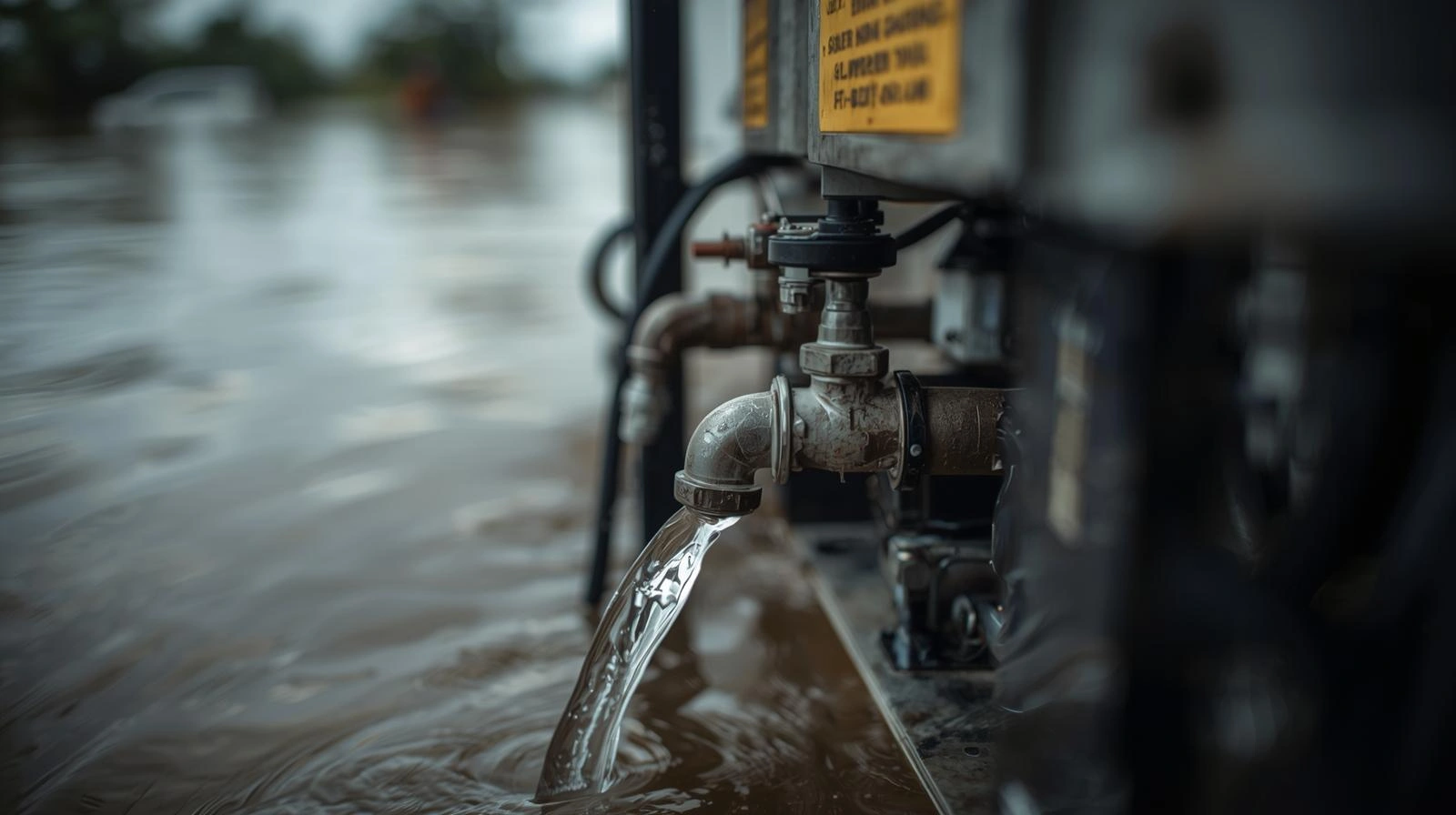
But how do you ensure access to safe drinking water during these catastrophic events?
Emergency water purification systems are not only vital but can be the difference between life and death. This blog post will guide you through the best water purification solutions available for Pakistan’s flood-prone areas, based on real-world examples and expert insights.
By the end of this article, you’ll understand which water purification systems work best during floods, how they can be implemented efficiently, and what business owners, NGOs, and local governments can do to mitigate the risks associated with contaminated water.
Why Water Purification is Essential During Flooding in Pakistan
What happens when floodwaters contaminate local water sources?
Flooding in Pakistan leads to massive contamination of water sources. In addition to dirt and debris, floodwaters often carry harmful bacteria, viruses, and chemicals. Without effective purification, these contaminated waters can lead to waterborne diseases, including cholera, typhoid, and dysentery.
The government and local communities must act fast to ensure that access to clean water is restored. This is where emergency water purification comes into play.
Pro Tip: Fast deployment of water purification systems can prevent the rapid spread of disease, especially in areas with limited infrastructure.
What Are the Most Effective Water Purification Systems for Flooding?
How do water purification systems work in emergencies?
In emergencies, the primary goal of a water purification system is to remove pathogens, debris, and harmful chemicals from floodwaters. The effectiveness of a water treatment solution depends on the type of contaminants in the water and the specific needs of the community.
Portable Water Filters
Portable filters like LifeStraw, Sawyer, and Katadyn are commonly used in emergencies. These filters are compact, easy to use, and can be deployed quickly in affected areas. They remove bacteria, protozoa, and other contaminants, providing clean drinking water to individuals.
Reverse Osmosis (RO) Systems
Reverse osmosis is an advanced filtration method that works well in disaster zones. By using a semipermeable membrane, RO systems remove up to 99% of contaminants, including bacteria, viruses, and salts. For large-scale applications, solar-powered reverse osmosis systems can be deployed in flood-stricken areas, especially in regions without reliable electricity.
Chemical Purification (Chlorine and Iodine Tablets)
For smaller-scale emergencies, water treatment tablets such as chlorine or iodine are effective. These chemicals kill harmful microorganisms but need to be used carefully as overuse can leave harmful residues.
Ultraviolet (UV) Disinfection Systems
UV purifiers use ultraviolet light to disinfect water by killing harmful microorganisms. While effective in eliminating bacteria and viruses, UV systems require a power source and may not work in highly turbid waters. They can be used in combination with other filtration systems for optimal results.
Case Studies: Real-World Applications of Water Purification in Pakistan
The 2010 Floods in Pakistan
During the 2010 floods in Pakistan, over 20 million people were affected, with many relying on emergency water purification systems. Organizations like UNICEF and the Red Cross distributed water purification tablets, chlorine-based solutions, and portable filters to affected populations. These efforts helped prevent outbreaks of waterborne diseases.
2022 Flood Response
In the aftermath of the 2022 floods, Pakistan’s government and humanitarian organizations worked together to provide emergency water supplies. Solar-powered reverse osmosis units were deployed in remote areas where access to clean water was scarce. The success of this initiative highlighted the potential for renewable energy-based solutions in disaster relief.
Ongoing Community Initiatives
Several NGOs in flood-prone regions of Pakistan have adopted solar-powered water filtration systems, providing communities with an eco-friendly and sustainable solution. These systems are designed to be easy to transport and set up, ensuring quick deployment during emergencies.
Challenges in Implementing Water Purification Systems in Pakistan’s Flood Zones
What are the major obstacles in floodwater purification efforts?
While water purification systems are essential, there are numerous challenges to implementing them effectively in flood-affected areas:
Limited Infrastructure
Many flood-affected areas in Pakistan lack the infrastructure needed to support large-scale water purification systems. Even with advanced solutions like reverse osmosis, the lack of electricity and infrastructure can hinder their effectiveness.
Cost of Emergency Systems
The cost of high-tech purification systems such as reverse osmosis can be prohibitive, especially for communities in need. While cheaper options like chlorine tablets exist, they may not be sufficient for larger populations or in regions with extreme contamination.
Accessibility in Remote Areas
In some areas, floods leave behind debris and damaged roads, making it difficult to deliver and set up water purification systems quickly. Portable and lightweight systems like filters and tablets are more feasible in such cases.
Emergency Water Purification Checklist for Pakistan’s Flood Zones
What steps can businesses, NGOs, and governments take to prepare for water purification during floods?
- Identify critical locations where flooding is most likely to occur.
- Stockpile emergency water purification systems such as filters, tablets, and UV disinfection units.
- Train local personnel on how to deploy and maintain these systems.
- Partner with international aid organizations for access to advanced water treatment technologies and financial support.
- Establish renewable energy solutions, like solar-powered filtration units, for long-term sustainability.
- Distribute water purification tablets and filters in advance to local communities.
Conclusion
Emergency water purification is a vital aspect of disaster response in flood-prone regions of Pakistan. By investing in a range of purification systems—from portable filters and chemical tablets to advanced reverse osmosis and UV disinfection units—communities can ensure access to safe drinking water during floods. However, overcoming challenges such as infrastructure limitations, cost, and accessibility remains a significant hurdle.
By implementing strategic solutions and collaborating with local and international organizations, we can mitigate the risks of waterborne diseases and provide immediate relief to flood-affected populations.
FAQ Section
1. What is the best emergency water purification system for floods?
Portable water filters and reverse osmosis systems are generally considered the best for emergency water purification during floods due to their high efficiency in removing contaminants.
2. Can water purification tablets be used for large communities?
Water purification tablets are ideal for small-scale use. For larger communities, a combination of filters, reverse osmosis, and UV disinfection systems is recommended.
3. How long do emergency water purification systems last?
The lifespan of emergency water purification systems varies. Portable filters can last for several months, while reverse osmosis and UV systems require regular maintenance and a reliable power source.
4. Are solar-powered water purification systems effective during floods?
Yes, solar-powered systems are highly effective in areas without electricity. They are portable, sustainable, and can provide long-term solutions to water purification needs.
5. How can businesses and governments prepare for flood-related water purification?
Businesses and governments can prepare by stocking emergency water purification systems, training local teams, and establishing reliable supply chains for quick deployment during floods.
6. What are the most common waterborne diseases after floods in Pakistan?
Cholera, typhoid, and dysentery are among the most common waterborne diseases in flood-affected areas of Pakistan, caused by the contamination of water sources.