
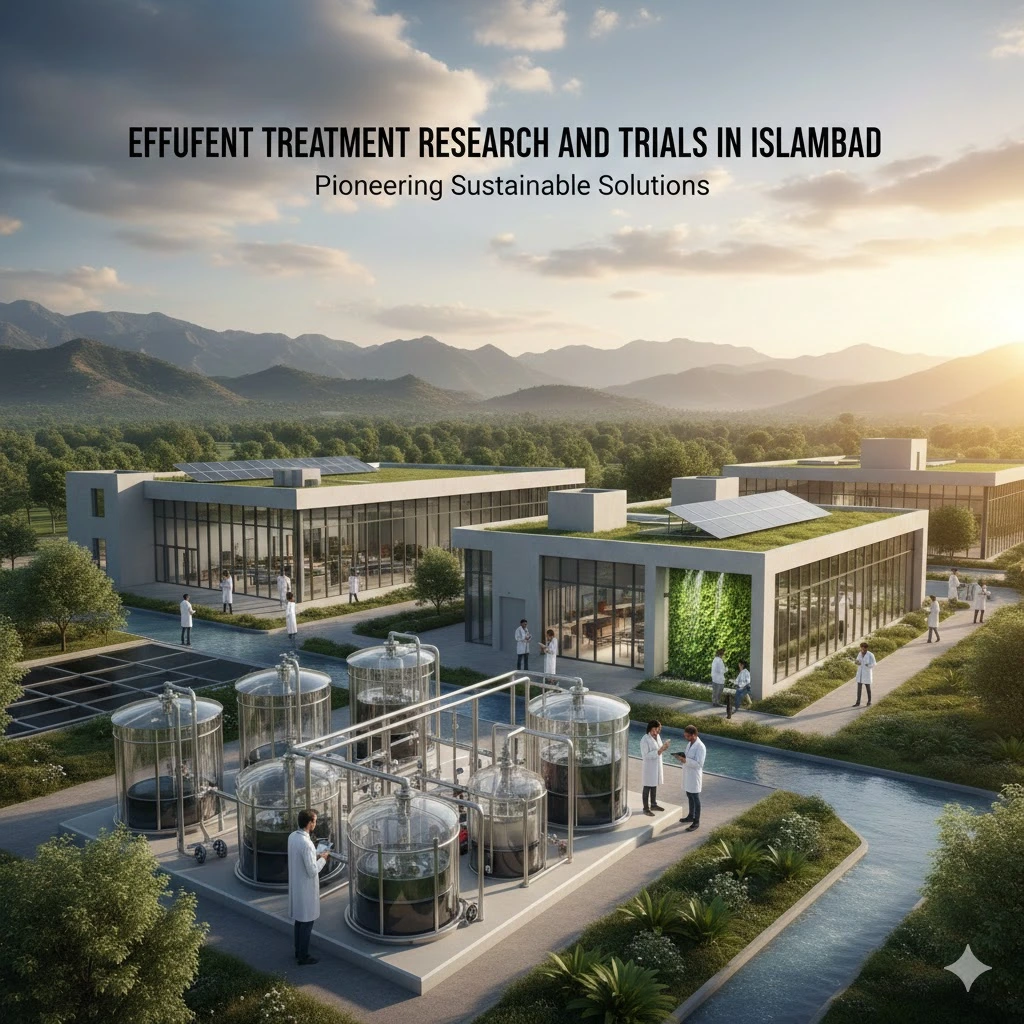
Effluent Treatment Islamabad has become a critical topic as industries continue to expand across the city. Have you ever wondered how industries in Islamabad handle the wastewater they generate and its impact on the environment? With the increasing industrial activities and urbanization, effluent treatment has become a pressing concern. Effluent is wastewater that contains harmful pollutants and chemicals, which, if left untreated, can lead to environmental degradation, water scarcity, and public health issues.
In this article, we will delve into the state of effluent treatment research in Islamabad, particularly in the form of trials and innovations. You’ll learn how local research labs are tackling this growing challenge, what the future holds for wastewater treatment technologies, and how these efforts align with global sustainability goals.
By the end of this post, you’ll understand how Islamabad is making strides in water treatment, and what businesses, policy-makers, and environmentalists need to know about the ongoing trials and research in this field.
What is Effluent Treatment Islamabad, and Why is It Important?
Effluent Treatment Islamabad refers to the process of removing contaminants from industrial and municipal wastewater to make it safe for reuse or controlled discharge into the environment. In cities like Islamabad, where rapid industrialization and population growth are taking place, untreated effluent can contaminate local water bodies, negatively affecting drinking water quality, aquatic ecosystems, and public health.
The Growing Need for Effluent Treatment Islamabad
Effluent Treatment Islamabad has become increasingly important as the city faces rising environmental pressure from industrial and agricultural waste. Islamabad, while known for its picturesque landscapes, is not immune to these challenges. As the capital city of Pakistan, it is home to various industries, including textiles, chemicals, and food processing, each contributing significantly to the overall effluent load. A 2023 report from the Islamabad Environmental Protection Agency (EPA) highlights that around 70% of industrial effluents in the region are either inadequately treated or not treated at all before being discharged into nearby rivers and lakes.
Pro Tip: As a business owner in Islamabad, it’s crucial to understand the importance of effluent treatment. Compliance with environmental regulations not only helps preserve local water sources but also positions your company as environmentally responsible, which can attract more customers and business partners.
How Do Water Treatment Trials in Islamabad Contribute to Solutions?
Water treatment trials are crucial for developing new technologies, optimizing existing ones, and finding sustainable solutions for wastewater management. In Islamabad, ongoing water treatment trials are addressing various aspects of effluent treatment, such as filtration, chemical treatment, and biological processes.
Case Study: The Islamabad Water Treatment Plant
A notable example of water treatment trials in Islamabad is the research conducted at the Islamabad Water Treatment Plant (IWTP), which collaborates with national and international bodies. The plant has been focusing on developing advanced oxidation processes (AOPs) to break down organic pollutants and heavy metals in industrial effluent. Early results show that AOPs can effectively treat wastewater to meet environmental standards, potentially reducing pollution in the Rawal Lake.
The Role of Research Labs in Testing Effluent Treatment Technologies
Research labs in Islamabad play a pivotal role in testing new effluent treatment technologies, from low-cost solutions to high-end innovations. These trials help determine the effectiveness, scalability, and environmental impact of new methods. For example, one recent trial tested biofilm reactors for treating textile industry wastewater. Early findings indicated that this method could significantly reduce the chemical oxygen demand (COD) in effluent, which is a key indicator of water pollution.
Pro Tip: If your business generates wastewater, consider collaborating with local research institutions to explore sustainable treatment methods. You could benefit from cost-effective solutions tailored to your industry’s needs.
What Are the Challenges of Effluent Treatment in Islamabad?
While the research and trials underway in Islamabad offer promise, the city faces several challenges in managing its effluent treatment needs. These hurdles range from technical limitations to financial constraints.
Lack of Infrastructure
One of the primary issues is the lack of sufficient infrastructure to treat effluent on a large scale. Many industries still rely on outdated treatment systems that are inefficient and unable to meet modern environmental standards. As a result, a significant portion of industrial effluent goes untreated or is only partially treated before being discharged into the environment.
Limited Awareness and Investment
Another challenge is the limited awareness and investment in sustainable effluent treatment solutions. Many businesses are unaware of the long-term benefits of investing in advanced wastewater treatment technologies, such as cost savings on water and compliance with environmental regulations. Additionally, the high initial costs of modern treatment systems can deter smaller businesses from adopting them.
Policy and Regulatory Gaps
Although Pakistan has regulations in place for wastewater treatment, enforcement remains inconsistent. Many industries continue to operate without complying with these standards, contributing to the pollution problem. Strengthening the enforcement of these regulations will be crucial for ensuring that effluent treatment becomes a priority in the region.
What Are the Latest Innovations in Effluent Treatment Research?
Research in effluent treatment is constantly evolving, and labs in Islamabad are at the forefront of testing innovative solutions to address wastewater management. These innovations range from more efficient filtration methods to sustainable biological processes.
Membrane Filtration Technology
One promising innovation is membrane filtration technology, which uses semi-permeable membranes to remove contaminants from water. Researchers in Islamabad are testing different types of membranes, such as reverse osmosis and nanofiltration, to improve the efficiency and cost-effectiveness of wastewater treatment.
Bioremediation for Industrial Effluent
Bioremediation, which uses microorganisms to break down pollutants, is another area of focus in Islamabad’s water treatment trials. This natural process can help treat organic waste in effluent without the need for harmful chemicals. Early-stage trials in Islamabad have shown that bioremediation can be an effective solution for treating food processing and dairy industry wastewater.
Green Chemistry for Wastewater Treatment
Another cutting-edge development is the use of green chemistry principles in effluent treatment. Researchers are exploring the use of sustainable chemicals and natural compounds to treat industrial wastewater. This approach aims to reduce the environmental impact of water treatment while maintaining high efficiency.
How Can Effluent Treatment Islamabad Research Impact Businesses?
Effluent Treatment Islamabad research has the potential to offer significant benefits to businesses operating in the capital, particularly those that produce large amounts of industrial wastewater. These ongoing research initiatives and treatment innovations help companies improve efficiency, reduce environmental impact, and meet regulatory requirements. Here’s how businesses can benefit from these advancements:
Cost Reduction in Water Use
By implementing efficient effluent treatment technologies, businesses can recycle water for reuse in their operations, significantly reducing water costs. In industries like textiles and food processing, where water consumption is high, this can lead to substantial savings.
Compliance with Environmental Regulations
As environmental regulations become stricter globally, businesses must stay ahead of the curve to avoid penalties. Investing in modern effluent treatment systems ensures compliance with local laws and international standards, protecting businesses from legal risks and reputational damage.
Enhanced Reputation
With increasing consumer demand for sustainability, businesses that prioritize effluent treatment can enhance their reputation as environmentally responsible. This can lead to new customers, increased market share, and stronger partnerships with eco-conscious stakeholders.
Pro Tip: Consider partnering with local research institutions to stay updated on the latest developments in wastewater treatment. Not only will this give your business a competitive edge, but it will also help you meet the growing demands for sustainability.
Conclusion
Effluent Treatment Islamabad research is making great strides in developing sustainable and efficient solutions to manage wastewater. From cutting-edge filtration technologies to green chemistry innovations, the city is paving the way for better water treatment practices. By investing in these advanced effluent treatment technologies, businesses in Islamabad can reduce operational costs, comply with environmental regulations, and significantly improve their environmental footprint.
The next steps for businesses and policymakers involve supporting these research initiatives, enhancing infrastructure, and increasing awareness of the importance of wastewater treatment. By doing so, Islamabad industry can lead the way in responsible effluent management, ensuring a healthier environment and a more sustainable future.
FAQ
- What is effluent treatment, and why is it important?
Effluent treatment refers to the process of cleaning wastewater to remove contaminants, making it safe for reuse or discharge into the environment. It is crucial to prevent pollution, protect water resources, and ensure public health. - What are the common methods used in effluent treatment?
Common methods include physical filtration, chemical treatment, biological processes (like bioremediation), and advanced oxidation processes. Each method targets different types of contaminants in the effluent. - How can businesses benefit from effluent treatment research?
Businesses can benefit by reducing water consumption costs, ensuring compliance with regulations, and improving their environmental reputation. Implementing modern treatment solutions can also lead to better operational efficiency. - What are the main challenges in effluent treatment in Islamabad?
Challenges include inadequate infrastructure, limited awareness, high initial costs, and inconsistent enforcement of regulations. Overcoming these barriers requires both investment in technology and stronger policy enforcement. - How can I stay updated on Effluent Treatment Islamabad innovations?
To stay informed about Effluent Treatment Islamabad, remain connected with local research institutions, universities, and environmental bodies. Many research labs and academic centers in Islamabad regularly share insights on the latest wastewater treatment trials, emerging technologies, and sustainable treatment practices.
- Are there any successful case studies of effluent treatment in Islamabad?
Yes, the Islamabad Water Treatment Plant has successfully implemented advanced oxidation processes, while research on biofilm reactors for textile wastewater shows promising results. - Can small businesses afford advanced effluent treatment technologies?
While the initial cost may be high, many treatment technologies can reduce operational costs in the long run. Additionally, various government programs and research institutions may offer financial assistance or cost-effective solutions