
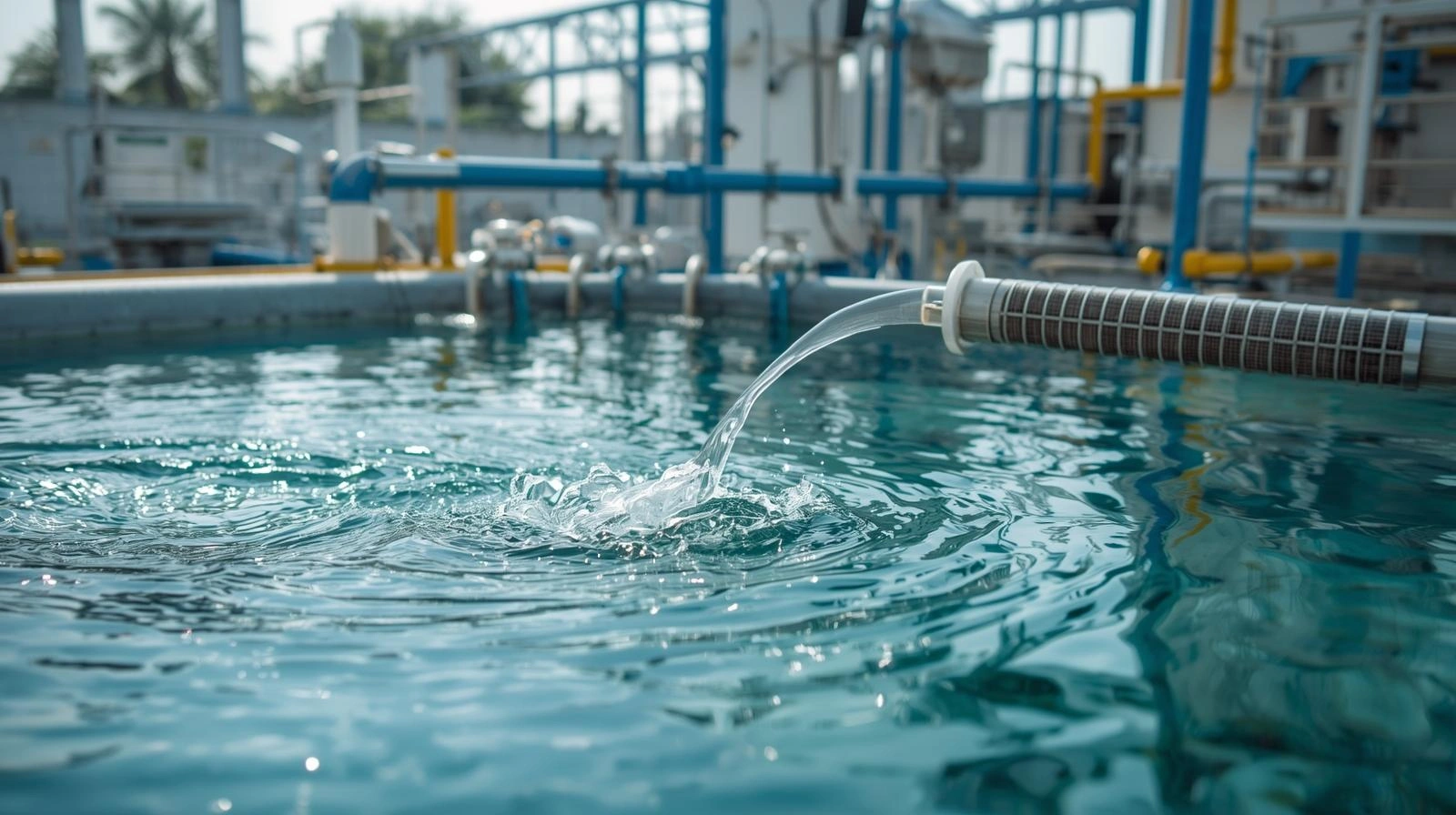
Are you struggling with managing wastewater and environmental pollution in Rawalpindi?
You’re not alone. As industries grow and urbanization accelerates, the demand for effective, sustainable, and eco-friendly bioremediation techniques has never been higher. In fact, with pollution levels on the rise, innovative solutions like sludge-free bioremediation are now critical in transforming the way we approach wastewater management.
The concept of bioremediation—the process of using biological organisms to break down pollutants—has been around for decades. But today, cutting-edge, sludge-free bioremediation techniques are transforming this process, offering a cleaner, more efficient solution with minimal environmental impact. In this article, we will explore these revolutionary techniques and how they are helping businesses and communities near Rawalpindi improve wastewater treatment processes while maintaining sustainability.
What can you expect from this article? We’ll take a deep dive into the mechanics of sludge-free bioremediation, real-world examples from Rawalpindi, and expert insights into how these methods are changing the game for wastewater treatment in Pakistan. If you’re looking for innovative solutions to manage wastewater effectively, you’re in the right place!
What Is Sludge-Free Bioremediation and Why Does It Matter for Rawalpindi?
Sludge-free bioremediation refers to innovative wastewater treatment methods that do not produce the excessive waste (or sludge) that traditional bioremediation techniques often do. This process still uses microorganisms or plants to break down contaminants but does so more efficiently and without leaving behind harmful waste products.
In Rawalpindi, a city that faces both industrial and agricultural pollution, this method is of particular importance. Traditional wastewater treatment methods are often inadequate and costly, especially when considering the disposal and management of sludge. Sludge-free bioremediation offers a cleaner, more sustainable alternative—helping businesses comply with environmental regulations and reduce their environmental footprint.
Why Does Rawalpindi Need Sludge-Free Bioremediation?
Rawalpindi, like many industrial hubs, struggles with both domestic and industrial wastewater management. The need for efficient, cost-effective, and eco-friendly solutions is paramount, especially as the region continues to expand. Sludge-free bioremediation techniques are a step in the right direction, offering benefits such as:
- Reduction in Waste Production: Unlike conventional methods, sludge-free bioremediation minimizes the leftover waste.
- Sustainability: These methods are eco-friendly, using natural processes to clean up wastewater without harming the environment.
- Cost-Effectiveness: The reduced need for sludge disposal significantly lowers operational costs.
How Do Sludge-Free Bioremediation Techniques Work?
Sludge-free bioremediation uses biological processes to treat pollutants, but without the accumulation of sludge that usually requires costly treatment and disposal. Here’s a breakdown of how it works:
- Microbial Degradation: Certain microorganisms, such as bacteria, fungi, and algae, can break down organic pollutants in wastewater. These microbes are often engineered or selected for their ability to target specific contaminants, converting them into non-toxic byproducts.
- Phytoremediation: This technique uses plants to absorb, detoxify, and sometimes store or transform pollutants from the water. Certain plants have the unique ability to filter out harmful substances like heavy metals and organic chemicals, providing a natural solution for wastewater treatment.
- Enzyme-Based Treatments: Another cutting-edge method involves the use of specific enzymes that accelerate the breakdown of pollutants. These enzymes are biodegradable and can be introduced into water to break down complex contaminants like petroleum hydrocarbons.
The main advantage here is that these processes avoid the need for separating and managing solid sludge, which can become an environmental and logistical burden.
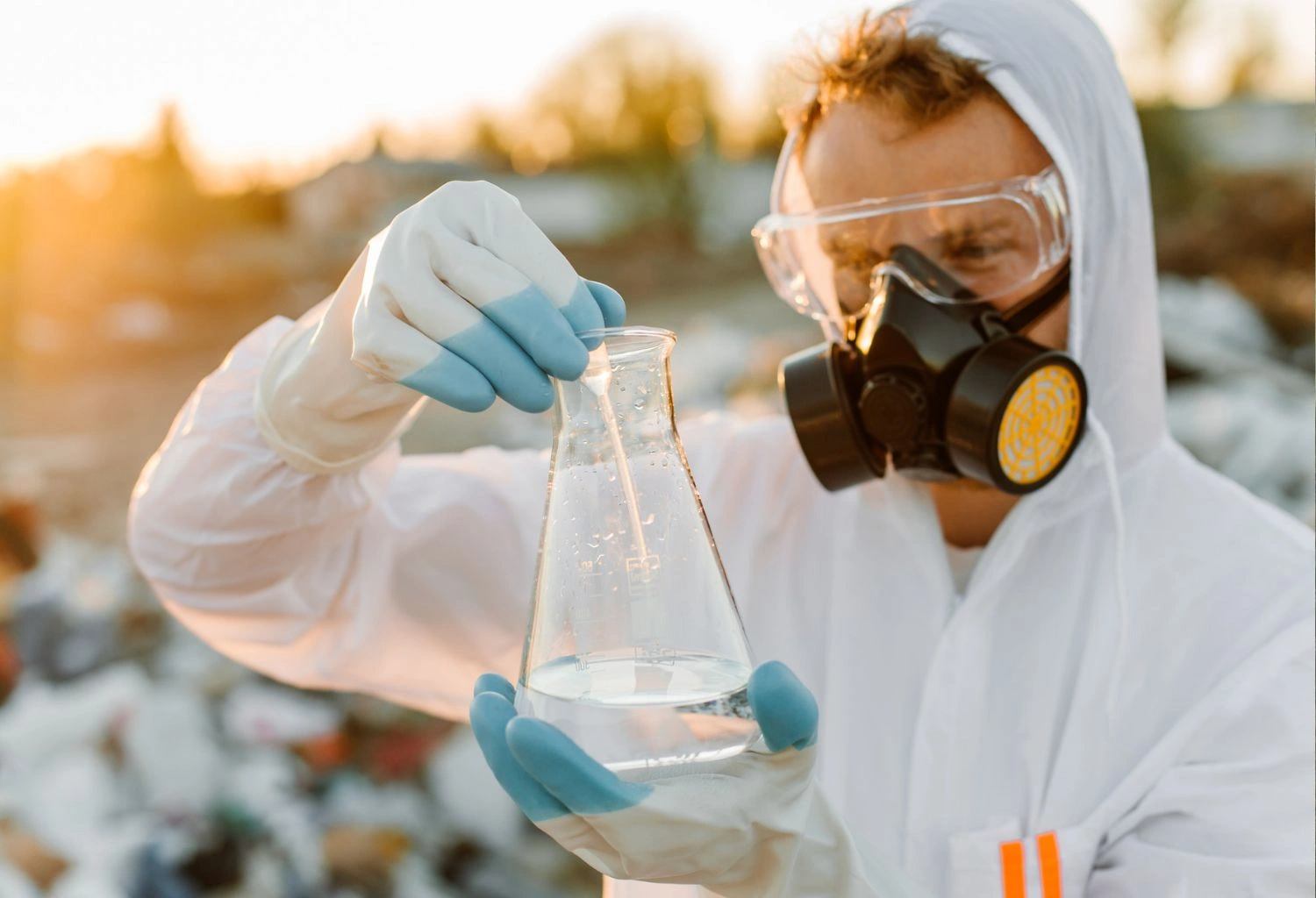
Chemical Free Water Treatment
Real-World Examples of Sludge-Free Bioremediation Near Rawalpindi
Case Study 1: Industrial Effluent Treatment
In Rawalpindi, a number of textile industries produce large amounts of effluent that is often contaminated with dyes, chemicals, and heavy metals. Traditional treatment methods resulted in high volumes of sludge, causing storage and disposal issues.
By introducing a combination of microbial and phytoremediation methods, industries have been able to treat wastewater efficiently without generating sludge. For instance, using engineered bacteria capable of digesting textile dyes has reduced chemical contamination, while certain aquatic plants have absorbed harmful metals, making the water safer for discharge.
Case Study 2: Agricultural Wastewater Remediation
Agricultural runoffs, which contain pesticides and fertilizers, pose a significant environmental risk in Rawalpindi’s outskirts. A local agricultural research facility implemented a sludge-free bioremediation system that utilized specialized plants known for their ability to absorb high levels of nitrogen and phosphorus. This not only cleaned the water but also improved soil quality around the farm areas by reducing chemical contamination.
Case Study 3: Municipal Wastewater Treatment
A municipal wastewater treatment facility in Rawalpindi recently adopted an advanced sludge-free bioremediation technique by using algae-based systems. The algae naturally consume excess nutrients in the wastewater, reducing the levels of nitrogen and phosphorous while cleaning the water. The treated water was then safely discharged into local water bodies without the need for sludge management.
How Effective Is Sludge-Free Bioremediation in Rawalpindi’s Unique Environment?
The effectiveness of sludge-free bioremediation in Rawalpindi is largely determined by the specific conditions of the local environment, including the types of pollutants present and the geographic conditions. Research has shown that these techniques are highly effective in treating organic pollutants, agricultural runoff, and industrial effluents in the region.
Key Benefits:
- High Efficiency: Sludge-free methods often outperform conventional treatment systems in terms of speed and efficiency, particularly for organic contaminants.
- Eco-Friendly: By utilizing natural biological processes, the environmental impact is minimized, with no harmful residues left behind.
- Adaptability: These techniques are highly adaptable to different pollutants, making them ideal for the diverse types of wastewater in Rawalpindi, ranging from industrial discharges to agricultural runoff.
What Are the Costs and Challenges of Implementing Sludge-Free Bioremediation?
While sludge-free bioremediation offers clear environmental benefits, there are certain challenges that businesses and municipalities in Rawalpindi must consider:
Costs:
- Initial Setup: The cost of setting up a bioremediation system, especially for large-scale operations, can be higher than traditional methods. However, the long-term savings in sludge disposal costs often outweigh these initial investments.
- Ongoing Maintenance: Although the need for sludge disposal is eliminated, some maintenance is still required, particularly in monitoring microbial cultures or plant health.
Challenges:
- Technical Expertise: Implementing these advanced techniques often requires specialized knowledge, and there may be a need for training and consultation.
- Regulatory Approval: The introduction of new bioremediation methods may require navigating local regulations and obtaining proper certifications.
Despite these challenges, the advantages of sludge-free bioremediation make it a valuable investment for those looking to improve wastewater treatment practices in Rawalpindi.
Pro Tips for Businesses Looking to Implement Sludge-Free Bioremediation
- Consult Experts: Engage with environmental engineers or bioremediation experts to assess the best approach for your specific wastewater treatment needs.
- Monitor the Process: Consistently track the effectiveness of the system and adjust microbial cultures or plant species as needed to optimize performance.
- Leverage Local Resources: Work with local research institutions or universities that might already be exploring bioremediation solutions suited to Rawalpindi’s unique environment.
Conclusion
Sludge-free bioremediation techniques are transforming wastewater treatment in Rawalpindi, offering a sustainable, efficient, and cost-effective alternative to traditional methods. By incorporating these cutting-edge techniques, businesses and municipalities can not only improve their environmental impact but also reduce operational costs over time.
If you’re looking to future-proof your wastewater management systems, investing in sludge-free bioremediation is a step in the right direction. Get started by consulting with local experts and considering a tailored solution that fits your needs.
FAQ Section
1. What is sludge-free bioremediation?
Sludge-free bioremediation is an eco-friendly wastewater treatment process that uses biological organisms like bacteria or plants to break down pollutants without producing excess sludge.
2. How does sludge-free bioremediation work in Rawalpindi?
It uses a combination of microbial degradation, phytoremediation (plants), and enzyme-based treatments to cleanse wastewater without generating harmful waste products like sludge.
3. Why is sludge-free bioremediation important for Rawalpindi?
With increasing pollution from industrial and agricultural activities, sludge-free bioremediation offers a cleaner, more sustainable solution for wastewater treatment in Rawalpindi.
4. Are there any specific challenges in implementing these techniques in Rawalpindi?
Challenges include the initial setup cost, the need for technical expertise, and navigating regulatory requirements. However, the long-term benefits far outweigh these challenges.
5. Can sludge-free bioremediation be used for agricultural wastewater in Rawalpindi?
Yes, agricultural wastewater containing pesticides and fertilizers can benefit from these techniques, as certain plants are specifically capable of absorbing harmful chemicals.
6. What are the benefits of sludge-free bioremediation over traditional methods?
Sludge-free methods are more sustainable, efficient, and cost-effective in the long run, eliminating the need for sludge disposal and reducing environmental harm.
7. How can I implement sludge-free bioremediation for my business?
To implement sludge-free bioremediation, consult with experts, assess your wastewater treatment needs, and choose the appropriate combination of microbial or plant-based solutions tailored to your situation.