
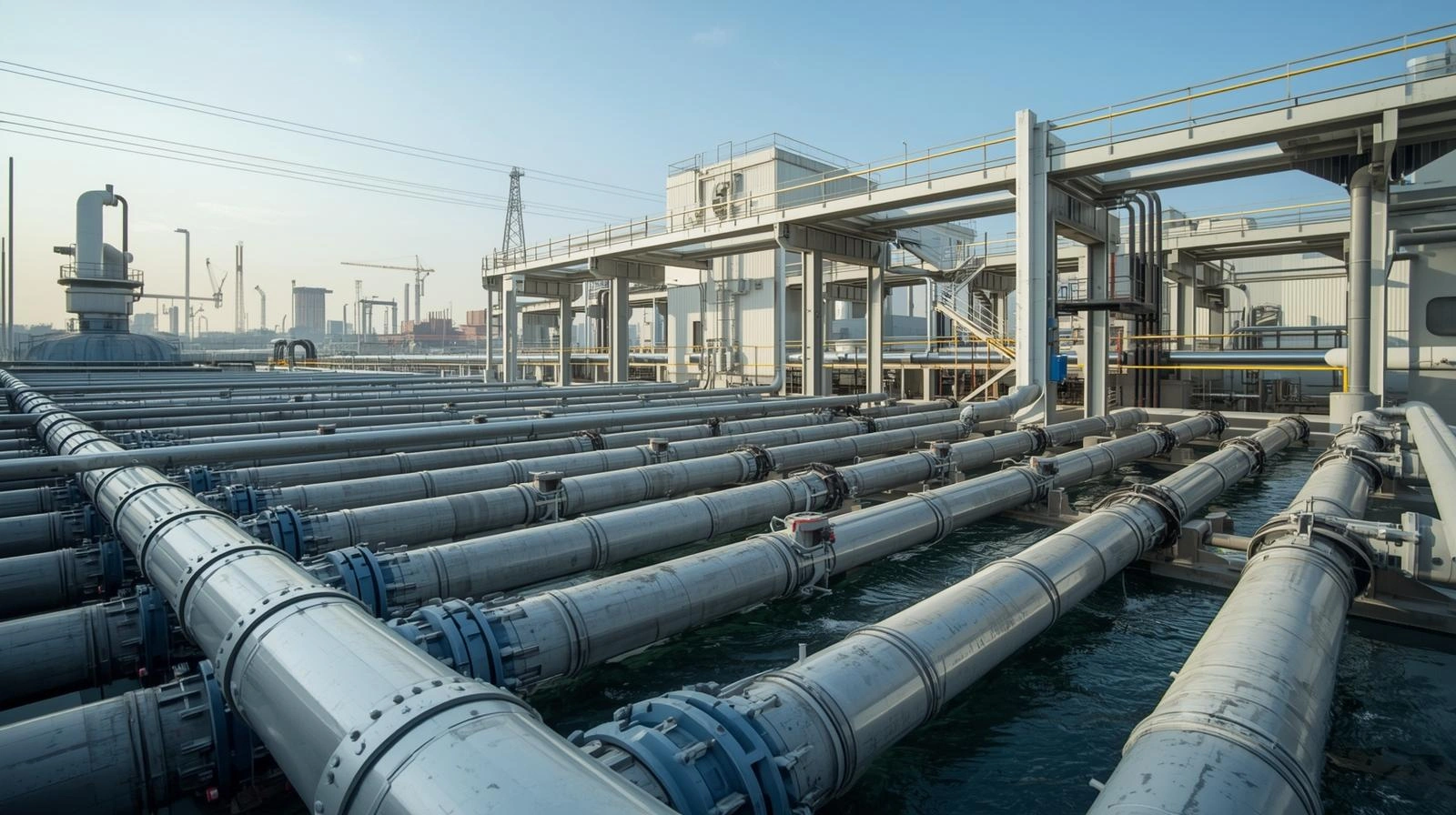
“Beverage water treatment in Multan is becoming crucial as beverage plants face rising water demand while ensuring product quality and water sustainability
Have you ever wondered how beverage plants in Multan tackle the rising demand for water while ensuring product quality and environmental sustainability? Water is a critical resource in beverage manufacturing, but with growing environmental concerns and water scarcity in the region, beverage plant owners face mounting pressure to optimize their water treatment processes.
In this blog post, we’ll dive into the latest innovations in beverage plant water treatment in Multan, explore practical strategies and water treatment solutions to enhance water optimization, and share actionable insights for improving water efficiency. By the end, you’ll have a clear understanding of how to address water treatment challenges and make the most out of your plant’s resources.
How Beverage Water Treatment in Multan Improves Efficiency?
Water treatment in beverage plants is more than just a regulatory requirement—it’s a strategic initiative that can help improve operational efficiency, reduce costs, and enhance sustainability. For beverage plants in Multan, this is especially important given the region’s water scarcity issues. The key challenge lies in optimizing water usage without compromising the quality of beverages produced.
Key Steps for Addressing Water Treatment Challenges:
- Advanced Filtration Technologies: Beverage plants in Multan are adopting cutting-edge filtration systems, such as reverse osmosis (RO) and ultrafiltration (UF), to remove contaminants and improve water quality.
- Water Reuse and Recycling: By implementing water recycling systems, beverage plants can reuse water for non-potable purposes, such as cooling and cleaning, minimizing waste.
- Data-Driven Water Management: Incorporating smart sensors and data analytics allows beverage plants to track water usage in real time, identifying inefficiencies and enabling targeted interventions.
By enhancing water treatment practices, beverage plants not only ensure the safety and quality of their products but also contribute to a more sustainable environment.
What Are the Key Benefits of Water Optimization for Beverage Plants in Multan?
Water optimization in beverage plants offers several benefits, both in terms of cost savings and environmental impact. Here’s a breakdown of the advantages:
- Cost Reduction: Proper water treatment and optimization can significantly reduce water consumption, lowering utility costs.
- Sustainability Goals: Water optimization supports sustainable practices, reducing the environmental footprint of the plant while adhering to local water conservation regulations.
- Regulatory Compliance: With stricter regulations around water usage, especially in areas like Multan where water scarcity is a concern, optimizing water treatment ensures that beverage plants remain compliant.
By making water optimization a priority, beverage plants in Multan can not only enhance operational efficiency but also contribute to long-term sustainability and profitability.
How Can Beverage Plants in Multan Improve Water Treatment Efficiency?
Improving water treatment efficiency requires a combination of advanced technology, employee training, and continuous monitoring. Here are some key steps that beverage plants in Multan can take to enhance their water treatment processes:
Pro Tips for Enhancing Water Treatment Efficiency:
- Invest in Automation: Automated systems allow for real-time monitoring of water quality and consumption, making it easier to identify and address inefficiencies.
- Optimize Chemical Usage: Reducing the reliance on chemicals in water treatment processes by adopting natural or low-impact alternatives can improve both cost efficiency and environmental impact.
- Routine Maintenance: Regular checks and maintenance of water treatment equipment ensure that systems remain operational and effective.
For example, one beverage plant in Multan was able to reduce water consumption by 25% after implementing a smart water management system that monitored and optimized water usage across the entire production cycle.
What Technologies Are Revolutionizing Water Treatment in Beverage Plants in Multan?
In recent years, technological advancements have played a significant role in revolutionizing water treatment processes in beverage plants. The following technologies are making waves in Multan’s beverage industry:
1. Reverse Osmosis (RO) Systems:
Reverse osmosis systems are increasingly being used in beverage plants to purify water, removing unwanted minerals, bacteria, and contaminants. This process ensures that the water used in production is of the highest quality.
2. UV Disinfection:
Ultraviolet (UV) light disinfection is another innovative technology that helps in sanitizing water without the use of chemicals. It provides an eco-friendly alternative for ensuring water safety.
3. Membrane Filtration:
Membrane filtration systems, including microfiltration and ultrafiltration, offer precise filtration, improving water quality and allowing for greater reuse of water within the plant.
Case Study:
A local beverage plant in Multan adopted an integrated reverse osmosis and UV disinfection system to treat water for its production line. Within six months, the plant achieved a 15% reduction in water waste and saw a marked improvement in product consistency.
How Does Water Reuse Impact Beverage Plant Sustainability in Multan?
Water reuse is a powerful way for beverage plants in Multan to enhance sustainability and reduce operational costs. By reusing water for non-potable purposes such as cleaning, cooling, or irrigation, beverage plants can significantly lower their overall water consumption.
Benefits of Water Reuse in Beverage Plants:
- Reduction in Water Demand: By reusing water within the plant, the demand for fresh water is reduced, helping conserve local water resources.
- Lower Wastewater Discharge: Treating and reusing water reduces the amount of wastewater discharged into the environment, minimizing the plant’s environmental footprint.
- Cost Savings: Reducing water purchase costs and minimizing wastewater treatment expenses results in significant savings for the plant.
In Multan, one beverage plant implemented a closed-loop water system, recycling water used in cooling and cleaning processes. As a result, the plant reduced its water usage by 30%, improving both efficiency and sustainability.
What Are the Common Pitfalls to Avoid in Water Treatment Optimization?
While the benefits of optimizing water treatment are clear, many beverage plants in Multan face common pitfalls when implementing new systems. These mistakes can lead to inefficiency, increased costs, and poor water quality. Here’s how to avoid them:
- Overlooking Regular Maintenance: Neglecting to maintain water treatment systems can lead to inefficiencies, breakdowns, and higher operational costs.
- Ignoring Staff Training: Without proper training, employees may not fully utilize the capabilities of new water treatment systems, leading to suboptimal results.
- Underestimating Water Quality Monitoring: Failing to continuously monitor water quality can result in undetected contamination, which may affect product quality and consumer safety.
By being aware of these pitfalls and proactively addressing them, beverage plants can ensure their water treatment systems remain effective and efficient.
Conclusion: The Path to Water Optimization in Multan’s Beverage Plants
In Multan, where water scarcity is an ongoing concern, beverage water treatment is essential for every plant looking to optimize operations and maintain product quality. By implementing advanced filtration systems, adopting water reuse strategies, and investing in smart technologies, beverage plants can improve both environmental sustainability and operational efficiency. Prioritizing beverage water treatment ensures long-term cost savings, regulatory compliance, and profitability.
If you’re a beverage plant owner or manager in Multan looking to enhance your water treatment practices, now is the time to act. Start by evaluating your current processes, invest in advanced technologies, and take steps to optimize water usage across your plant.
FAQ Section
- What are the key technologies used for water treatment in beverage plants in Multan?
The key technologies include reverse osmosis (RO), UV disinfection, and membrane filtration systems. These technologies ensure high water quality for production while optimizing efficiency. - How can beverage plants reduce water consumption?
Beverage plants can reduce water consumption by adopting water reuse systems, optimizing filtration processes, and implementing real-time water management solutions to identify inefficiencies. - Why is water reuse important for beverage plants in Multan?
Water reuse reduces the demand for fresh water, lowers wastewater discharge, and results in cost savings for the plant. It is an essential strategy for improving sustainability in water-scarce areas like Multan. - What are the challenges of water treatment optimization in Multan’s beverage plants?
Common challenges include high initial investment costs, lack of expertise, and the need for continuous monitoring and maintenance to ensure system efficiency. - How do UV disinfection systems benefit beverage plants?
UV disinfection systems offer an eco-friendly method of sanitizing water without chemicals, providing a safer and more sustainable way to ensure water quality. - Can implementing water treatment enhancements improve a beverage plant’s profitability?
Yes, by reducing water consumption, lowering operational costs, and improving sustainability practices, water treatment enhancements can contribute to long-term profitability for beverage plants.