
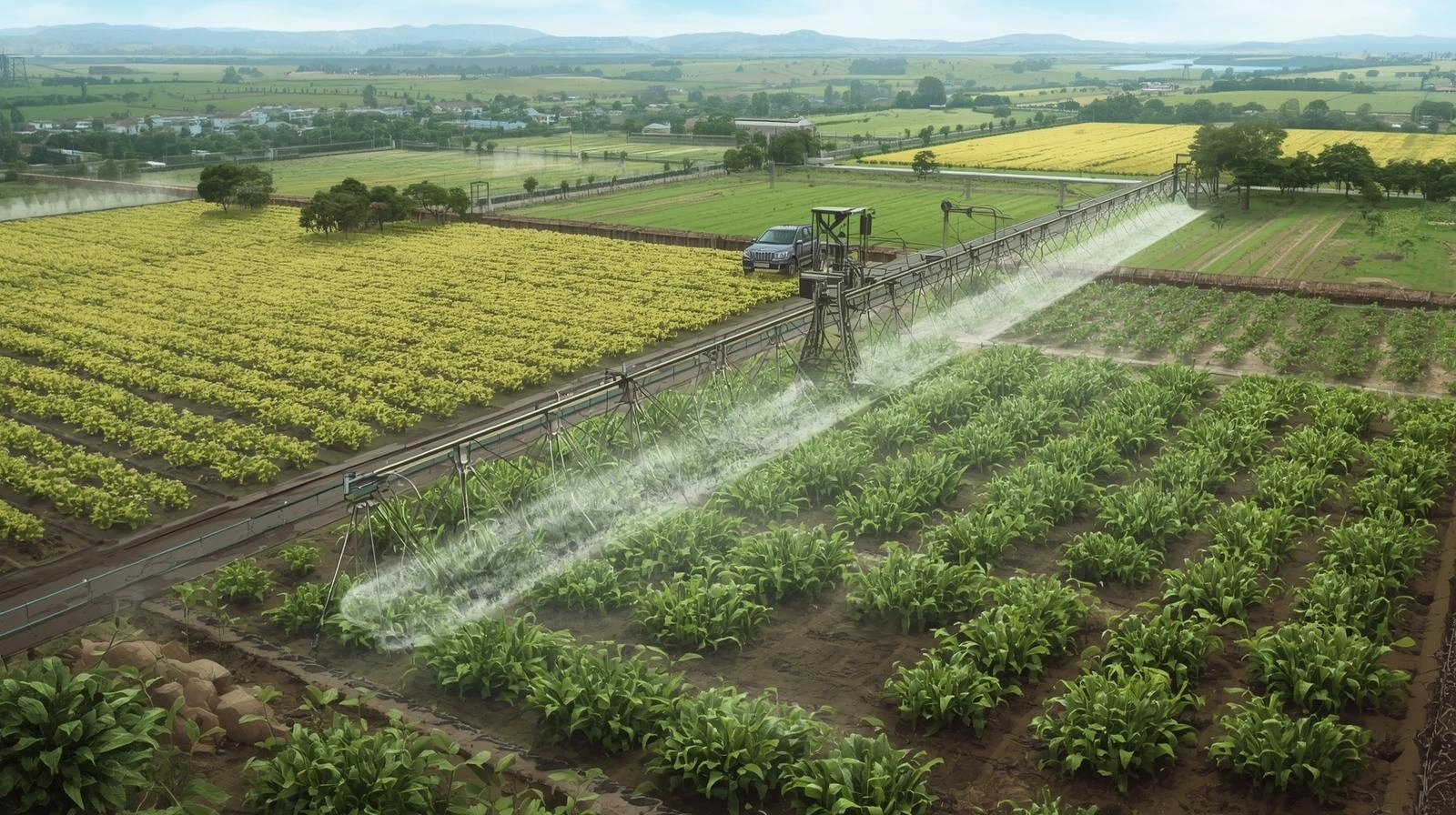
Have you ever wondered how agricultural runoff is affecting Pakistan’s farming sector?
With the increasing reliance on irrigation and the challenges of water scarcity, the impact of agricultural wastewater has become a growing concern. From nutrient overload to waterborne diseases, agricultural runoff has the potential to harm not only the environment but also the productivity of the farming industry.
However, the solution lies not just in controlling the runoff but in treating it. With advances in wastewater treatment technologies, treated effluent reuse can provide a sustainable solution for agricultural water needs. By efficiently recycling and reusing treated effluent, Pakistan can support its agricultural sector while minimizing the environmental impact of agricultural runoff.
In this article, we’ll explore the importance of agricultural wastewater management, the potential of treated effluent reuse, and how Pakistan’s farming sector can benefit from effective water treatment strategies.
The Growing Problem of Agricultural Wastewater in Pakistan
What Is Agricultural Runoff and Why Should We Care?
Agricultural runoff is the water that runs off farmlands after rain, irrigation, or other farming activities. This water often contains harmful substances such as pesticides, fertilizers, and organic matter that pollute water bodies and soil. In Pakistan, where agriculture accounts for about 24% of GDP and 43% of employment, the impact of poor water management is magnified.
The improper disposal of agricultural wastewater contributes to soil degradation, water pollution, and biodiversity loss. Moreover, Pakistan’s water resources are already under strain, with only 1,000 cubic meters of freshwater available per capita—far below the global water scarcity threshold.
By 2025, Pakistan is expected to face an acute water shortage, and addressing agricultural runoff is crucial in mitigating this looming crisis.
The Role of Treated Effluent in Addressing Water Shortages
Treated effluent is the wastewater that has been filtered and treated to remove contaminants, making it suitable for reuse. By reusing treated wastewater in agriculture, Pakistan can reduce the strain on freshwater resources. This is particularly important for countries like Pakistan, where irrigation demands account for over 90% of water usage.
Treated effluent can be safely used for irrigation, preventing the over-extraction of groundwater and helping mitigate the effects of water scarcity. Additionally, the reuse of treated wastewater supports sustainable farming practices and can reduce the environmental impact of agriculture.
How Treated Effluent Reuse Benefits the Agricultural Sector
Can Treated Effluent Support Sustainable Agriculture?
Yes! By integrating treated effluent into agricultural practices, farmers can conserve freshwater resources and ensure a reliable source of irrigation water. This practice is already common in many countries facing water scarcity, such as Israel, Australia, and Spain.
In Pakistan, treated effluent can be used for growing crops, especially non-food crops or crops that require large amounts of water, such as cotton and rice. The reuse of treated water helps to protect valuable freshwater for drinking and other essential uses while promoting agricultural productivity.
Reducing Pollution with Treated Effluent
Agricultural runoff, when left untreated, carries harmful nutrients like nitrogen and phosphorus into nearby rivers and lakes. These substances promote algae blooms that deplete oxygen levels and harm aquatic life. By treating agricultural wastewater, we can reduce the pollutants that reach water bodies, thereby improving water quality and protecting aquatic ecosystems.
The use of treated effluent in agriculture not only benefits the environment but also promotes healthier agricultural practices, reducing the reliance on chemical fertilizers and pesticides.
How Can Pakistan Implement Treated Effluent Reuse in Agriculture?
What Technologies Are Available for Treating Agricultural Wastewater?
There are several technologies available for treating agricultural wastewater, including:
- Constructed Wetlands: These systems use plants, soil, and microorganisms to filter out contaminants. They are cost-effective and suitable for small-scale farms.
- Membrane Filtration: A more advanced technique that uses semi-permeable membranes to separate contaminants from wastewater. This is ideal for larger-scale treatment facilities.
- Biological Treatment: Involving bacteria or other microorganisms to break down organic matter in wastewater, biological treatment is commonly used for treating agricultural runoff.
Each of these systems has its advantages, and selecting the right technology depends on factors such as farm size, water quality, and available budget.
What Are the Key Challenges in Implementing Treated Effluent Reuse?
While the potential for treated effluent reuse in Pakistan’s agriculture is significant, there are several challenges that need to be addressed:
- Lack of Infrastructure: Many farmers lack access to wastewater treatment facilities or proper irrigation systems.
- High Treatment Costs: Setting up wastewater treatment plants can be expensive, especially for small-scale farmers.
- Public Awareness: There is a lack of awareness about the benefits of treated effluent and the importance of wastewater management.
Addressing these challenges will require collaboration between government agencies, agricultural stakeholders, and environmental experts.
What Role Can the Government Play in Supporting Treated Effluent Reuse?
The Pakistani government can play a pivotal role in encouraging the reuse of treated effluent through policy incentives, funding for water treatment projects, and public awareness campaigns. Some key initiatives include:
- Subsidies for Water Treatment Technologies: Offering subsidies or financial incentives to farmers for installing water treatment systems can help overcome cost barriers.
- Training and Education: Educating farmers on the benefits of using treated wastewater and proper water management practices can increase adoption.
- Infrastructure Development: Building centralized wastewater treatment plants and providing efficient water distribution networks will make treated effluent more accessible.
Case Studies of Treated Effluent Reuse in Agriculture
Case Study 1: Israel’s Water Recycling Success
Israel has long been a pioneer in wastewater recycling. The country treats around 85% of its wastewater, much of which is reused for irrigation. This practice has allowed Israel to maintain its agricultural productivity despite limited water resources.
Case Study 2: Australia’s Water Treatment for Cotton Farms
In Australia, treated wastewater is regularly used to irrigate cotton farms. This practice not only conserves freshwater but also improves the quality of the soil by reducing the need for synthetic fertilizers.
Case Study 3: Spain’s Recycled Water Initiative
In Spain, particularly in regions like Almería, treated effluent is used to irrigate vegetables and fruit crops. This initiative has helped Spain reduce its reliance on groundwater and improve the sustainability of its agricultural practices.
Conclusion
Agricultural runoff is a growing concern in Pakistan, but treated effluent offers a sustainable solution. By adopting wastewater treatment technologies and reusing treated effluent for irrigation, Pakistan’s agricultural sector can alleviate water scarcity, reduce pollution, and boost productivity.
To achieve this, the government, farmers, and environmental organizations must collaborate to build infrastructure, raise awareness, and invest in suitable technologies. The benefits of treated effluent reuse are clear—by incorporating these practices, Pakistan can ensure a more sustainable future for its farming sector.
Call to Action: If you’re involved in agriculture, consider investing in water treatment technologies to optimize your farm’s water usage. Start exploring treated effluent reuse to enhance productivity while conserving precious water resources.
FAQ Section
1. What is agricultural runoff, and why is it a problem?
Agricultural runoff is water from farming activities that contains pollutants such as pesticides and fertilizers. It can contaminate water bodies, harm the environment, and reduce agricultural productivity.
2. Can treated effluent be safely used for agricultural irrigation?
Yes, treated effluent can be safely used for irrigation, provided it is properly treated to remove harmful contaminants. Many countries reuse treated wastewater for agriculture successfully.
3. What are the benefits of using treated effluent in agriculture?
Using treated effluent reduces reliance on freshwater, improves soil quality, and reduces pollution from agricultural runoff. It is also a sustainable solution for water-scarce regions like Pakistan.
4. What technologies are used for treating agricultural wastewater?
Common treatment technologies include constructed wetlands, membrane filtration, and biological treatment. Each has different applications depending on the scale and type of wastewater.
5. How can farmers in Pakistan access treated effluent for irrigation?
Farmers can access treated effluent through government subsidies, centralized treatment facilities, and improved irrigation infrastructure. Collaborative efforts between the government and farming communities can make this more accessible.
6. How much water is currently being reused for irrigation in Pakistan?
Currently, very little wastewater is reused in Pakistan’s agriculture. However, with the right policies and infrastructure, this practice can significantly increase water conservation in the sector.
7. What challenges are there in implementing treated effluent reuse in Pakistan?
The main challenges include high treatment costs, lack of infrastructure, and limited awareness among farmers about the benefits of treated effluent.