
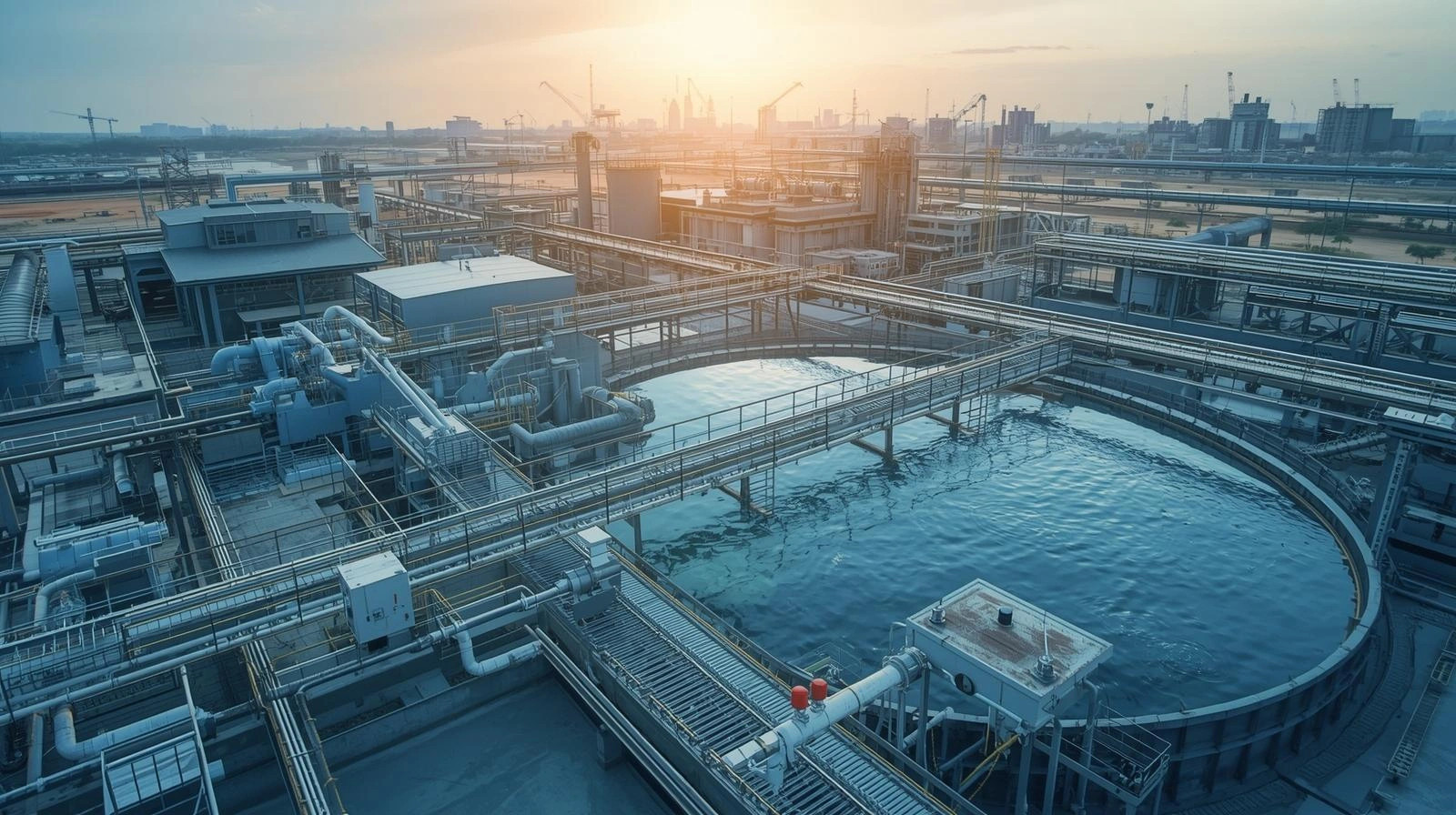
Are Karachi’s industries ready to tackle the growing water crisis with sustainable solutions?
Imagine an industrial sector in Karachi, one of the most rapidly growing cities in Pakistan, grappling with acute water shortages, rising pollution levels, and mounting environmental concerns. In a place where the demand for clean water is overwhelming, the cost of inaction is high. Water, an essential resource, is becoming increasingly scarce, forcing industries to rethink how they manage this precious commodity.
But here’s the good news: there’s a revolution happening right now. Eco-friendly water solutions are gaining traction across Karachi, providing businesses with sustainable alternatives that save both water and costs while reducing environmental impact. In this post, we’ll dive into how advanced water management techniques and technologies are reshaping industries in Karachi, helping them meet the water demand without sacrificing the planet.
What will you learn? By the end of this post, you’ll discover the latest industrial water solutions that can transform your water usage, improve operational efficiency, and ensure your business contributes to the greater good. Let’s dive in!
What Are Eco-Friendly Water Solutions for Industries in Karachi?
Eco-friendly water solutions refer to systems and technologies that focus on reducing the environmental impact of water usage, promoting conservation, and enhancing sustainability within industrial processes. In Karachi, industries are increasingly turning to these solutions due to the city’s water scarcity and rising environmental concerns.
Key Technologies Behind Eco-Friendly Water Solutions:
- Water Recycling and Reuse: This involves treating and purifying water used in industrial processes so it can be safely reused, reducing dependency on fresh water sources.
- Rainwater Harvesting: By collecting and storing rainwater, industries can supplement their water supply during the dry season, which is increasingly vital in Karachi’s climate.
- Desalination Technologies: With Karachi’s proximity to the Arabian Sea, desalination offers a promising method to convert seawater into freshwater, especially for industries reliant on large volumes of water.
- Smart Water Management Systems: These systems use sensors, data analytics, and IoT (Internet of Things) to monitor and control water usage, detecting inefficiencies and promoting conservation.
These solutions allow businesses to maintain operations while contributing to Karachi’s long-term water sustainability.
Why Are Eco-Friendly Water Solutions Essential for Karachi’s Industrial Sector?
Karachi, home to over 20 million people, faces a chronic water crisis. Over-extraction of groundwater, pollution, and climate change are straining the available resources. The industrial sector, responsible for a significant portion of water consumption, has been particularly affected.
- Water Shortages: Karachi’s growing population and industrial demands exceed the natural replenishment of water resources. In fact, the city is facing an alarming water deficit of 700 million gallons per day (MGD).
- Rising Environmental Regulations: With global pressure mounting for businesses to reduce their environmental footprints, industries must adopt sustainable practices. Regulatory bodies are pushing for cleaner operations, and companies that fail to comply risk fines and reputational damage.
- Economic Pressure: Industries in Karachi are realizing that adopting eco-friendly water solutions not only helps the environment but also makes economic sense. Implementing water-saving technologies can cut operational costs in the long run.
Thus, adopting eco-friendly water solutions is no longer optional—it’s a necessity for the survival and growth of Karachi’s industries.
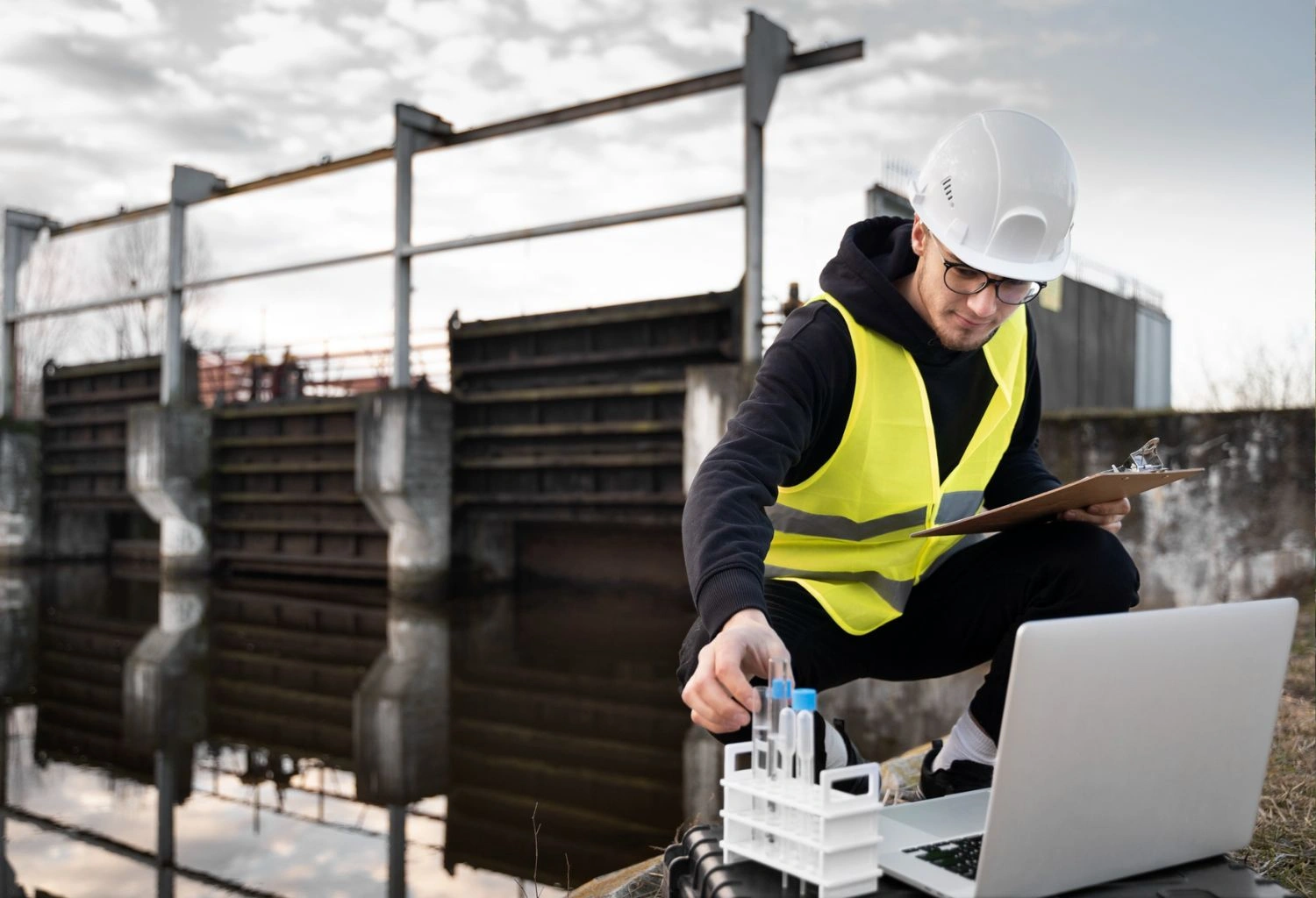
Industrial Water Treatment Chemicals
How Do Water Recycling and Reuse Benefit Karachi’s Industries?
Water recycling and reuse technologies have proven to be a game-changer for industries in Karachi. The process involves capturing used water, treating it, and then reintroducing it into industrial processes. This reduces the need for fresh water, ultimately leading to water conservation.
Key Benefits of Water Recycling:
- Cost Savings: By reusing water, businesses save on water procurement costs, which is crucial in a city where fresh water is increasingly expensive.
- Reduced Wastewater Discharge: Industries are also reducing the amount of contaminated water they release into the environment, improving the local water quality.
- Energy Efficiency: Many water treatment systems are integrated with energy-efficient technologies, reducing both water and energy consumption.
Example: A leading textile factory in Karachi adopted a water recycling system that treated wastewater for reuse in their dyeing process. As a result, they reduced their water consumption by 30%, resulting in significant savings and a smaller environmental footprint.
How Does Rainwater Harvesting Enhance Water Security for Industries?
With Karachi’s reliance on both surface and groundwater sources, rainwater harvesting offers a promising alternative. This process involves capturing rainwater that falls on roofs or other surfaces and storing it for future use.
How It Works for Industries:
- Collection Systems: Large storage tanks are set up to collect rainwater during the monsoon season.
- Filtration and Treatment: The harvested rainwater is filtered and treated to meet the quality standards needed for industrial use.
- Supplementing Water Supply: Harvested rainwater is used for non-potable purposes, such as cooling systems, irrigation, and cleaning, reducing the demand for fresh water.
Pro Tip: The key to maximizing the efficiency of rainwater harvesting is to invest in high-quality filtration and storage systems to ensure that the water remains safe and usable throughout the year.
Example: A Karachi-based pharmaceutical company integrated a rainwater harvesting system, reducing their reliance on city water supply during the summer months when demand spikes. This initiative led to a 20% reduction in their water procurement costs annually.
How Are Desalination Technologies Addressing Karachi’s Water Needs?
With its coastal location, Karachi is uniquely positioned to leverage desalination technologies. Desalination involves converting seawater into fresh water through processes like reverse osmosis, and it’s increasingly being used to supplement freshwater supplies.
Key Benefits:
- Sustainable Freshwater Source: Desalination offers an almost unlimited supply of fresh water, particularly important for industries needing large volumes.
- High Efficiency: Modern desalination technologies are more energy-efficient and cost-effective than ever before.
- Reducing Pressure on Groundwater: By tapping into the sea, desalination helps preserve freshwater aquifers and reduces the over-extraction of groundwater.
Example: A chemical manufacturing plant in Karachi installed a desalination plant to meet their water demands. With an output of 500,000 gallons per day, the plant was able to reduce its reliance on freshwater sources by 40%, ensuring operations continued smoothly despite local water shortages.
What Role Do Smart Water Management Systems Play in Karachi’s Industrial Sustainability?
Smart water management systems are revolutionizing how industries use water in Karachi. These systems use data analytics, sensors, and IoT devices to monitor, analyze, and optimize water usage in real-time.
Key Features:
- Real-Time Monitoring: Sensors detect leaks, inefficiencies, and overuse in the water distribution system, allowing businesses to act immediately.
- Data-Driven Insights: Data collected from smart systems is analyzed to identify patterns, helping businesses optimize water usage and reduce wastage.
- Predictive Maintenance: Smart systems can predict when a water-related system is likely to fail, reducing downtime and repair costs.
Example: A food processing plant in Karachi implemented a smart water management system that allowed them to reduce water wastage by 15% within the first six months of use, leading to both cost savings and improved sustainability.
Conclusion
Karachi’s industrial sector stands at a crossroads. As the city grapples with a severe water crisis, the adoption of eco-friendly water solutions has never been more critical. From water recycling to rainwater harvesting and desalination technologies, industries are leading the charge in embracing sustainability and reducing their environmental footprint. By incorporating industrial water solutions, businesses not only secure their water needs but also drive long-term cost savings, regulatory compliance, and environmental responsibility.
For Karachi’s industries, the time to act is now. The solutions are out there, and the benefits are clear. Whether you’re looking to conserve water, reduce costs, or simply stay ahead of regulatory pressures, there’s an eco-friendly solution for your business.
FAQ Section
1. What are the most common eco-friendly water solutions for Karachi industries?
The most common solutions include water recycling, rainwater harvesting, and desalination. These technologies help businesses reduce their reliance on freshwater resources and lower operational costs.
2. How can water recycling save money for Karachi businesses?
Water recycling allows industries to reuse treated water, which reduces the need to buy fresh water, ultimately cutting water procurement costs by up to 30-40% annually.
3. How effective is rainwater harvesting in Karachi’s industrial sector?
Rainwater harvesting can significantly supplement the water supply, especially during the monsoon season. It helps industries save on water bills by using harvested rainwater for non-potable uses like cooling and cleaning.
4. What industries in Karachi are adopting desalination technologies?
Industries with high water demands, such as textile, chemical manufacturing, and pharmaceuticals, are increasingly adopting desalination to ensure a reliable and sustainable water source.
5. Are smart water management systems worth the investment for Karachi industries?
Yes, they are. These systems provide real-time monitoring and predictive insights, enabling industries to minimize water wastage and prevent costly equipment failures, leading to long-term savings.
6. What are the environmental benefits of eco-friendly water solutions?
By adopting eco-friendly water solutions, industries contribute to preserving freshwater resources, reducing wastewater discharge, and minimizing their overall environmental impact.
7. Can small-scale industries in Karachi afford eco-friendly water solutions?
Yes! Many eco-friendly water solutions are scalable and customizable. Small industries can begin with basic systems like rainwater harvesting or water-efficient technologies, and scale up as they grow.