
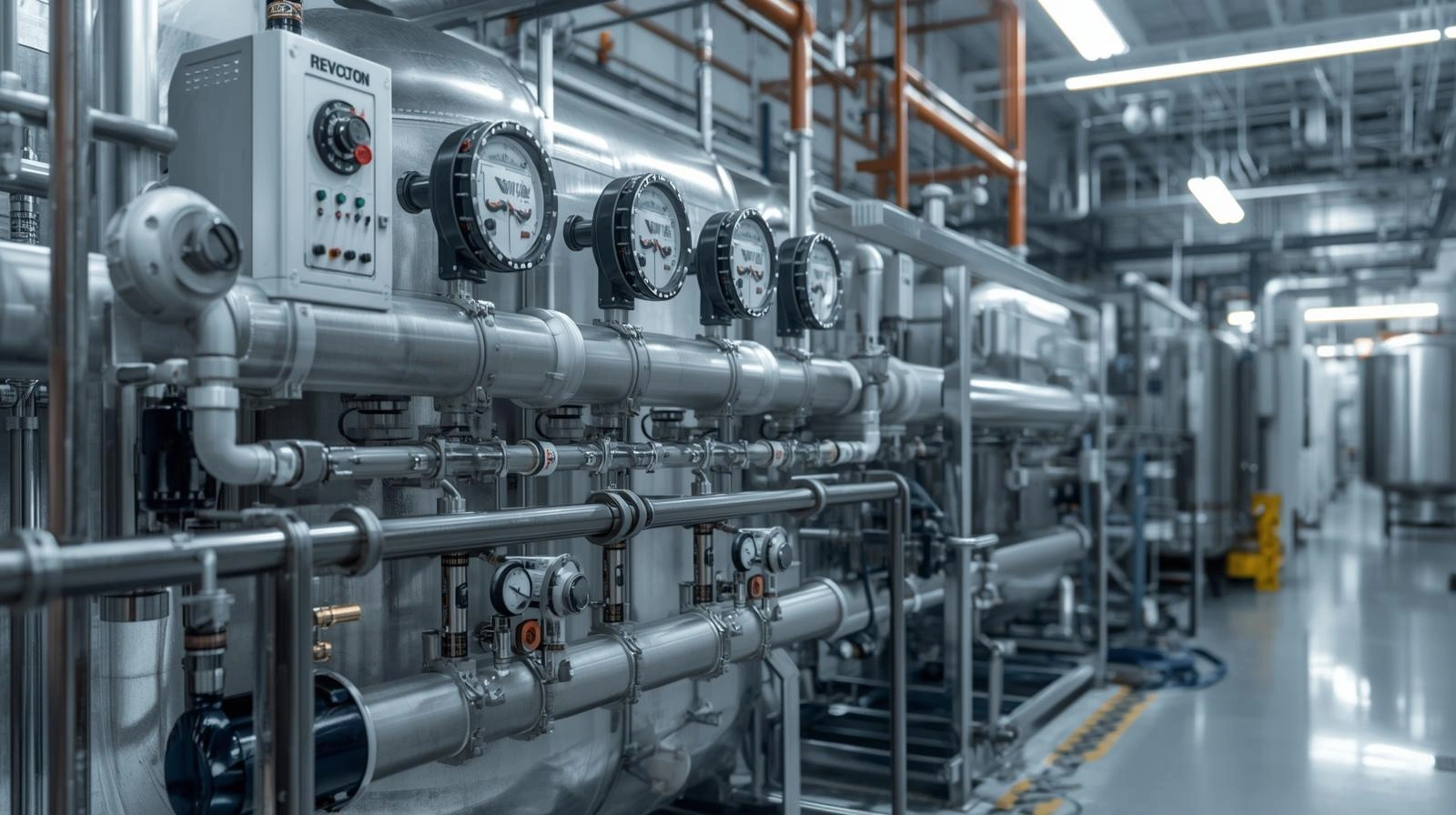
Is your business in Karachi struggling with water quality issues, leading to high operational costs and reduced efficiency? Imagine the impact of poor water quality on industrial machinery, energy consumption, and overall productivity. You’re not alone—many industries in Karachi face water-related challenges that can hinder their growth.
In this blog post, we’ll explore how a Reverse Osmosis (RO) setup can transform industrial water solutions in Karachi, providing clean, high-quality water for industrial processes, improving efficiency, and reducing costs. From understanding the science behind RO systems to implementing cost-effective solutions, you’ll learn how this technology can make a difference for your business.
Value Proposition: By the end of this article, you’ll understand how Reverse Osmosis in Karachi can elevate your water quality, improve productivity, and optimize industrial water usage.
1. What is Reverse Osmosis, and Why Is It Crucial for Industrial Water Solutions in Karachi?
Reverse Osmosis (RO) is a water filtration process that removes contaminants through a semi-permeable membrane. The process works by applying pressure to force water through the membrane, leaving impurities behind. It’s commonly used to treat industrial water, ensuring that it meets quality standards and is safe for use in manufacturing processes.
Why is RO Important for Industries in Karachi?
Karachi’s industrial landscape is rapidly growing, but one persistent issue is water contamination. Many industries rely on a stable, high-quality water supply for cooling systems, production lines, and other crucial operations. However, the water in Karachi is often contaminated with salts, chemicals, and biological agents, which can harm machinery, lead to high maintenance costs, and disrupt production.
By integrating Reverse Osmosis systems, businesses can ensure clean and reliable water, significantly improving operational efficiency and reducing costly downtime due to water quality issues. It’s a crucial step in optimizing industrial water solutions in Karachi.
2. How Does Reverse Osmosis Improve Industrial Water Quality in Karachi?
The Science Behind Reverse Osmosis
RO systems use a fine membrane that only allows water molecules to pass through, rejecting larger particles like salts, bacteria, and other contaminants. This results in ultra-pure water, which is ideal for industries that require high-quality water for manufacturing, cooling, or cleaning.
How Does RO Address Karachi’s Water Quality Issues?
In Karachi, industrial water sources are often contaminated with:
- High salinity levels: Saltwater intrusion in freshwater supplies due to coastal proximity.
- Heavy metals: Industrial runoff introduces harmful substances like lead and mercury.
- Microorganisms and bacteria: Poor sanitation can lead to biological contaminants.
By installing RO systems, industries can treat these challenges effectively. The high-pressure filtration system ensures that water used in industrial processes is free from these harmful elements, improving both product quality and the lifespan of equipment.
3. What Industries in Karachi Can Benefit from Reverse Osmosis?
Many industries in Karachi can significantly benefit from industrial water solutions using Reverse Osmosis. Here are a few examples:
Textile Industry
The textile industry uses large amounts of water for dyeing, cleaning, and finishing processes. With Reverse Osmosis Karachi solutions, textile manufacturers can ensure that their water is free of contaminants, preventing damage to fabrics and improving dye uptake. Clean water also reduces the need for frequent maintenance of dyeing equipment.
Food and Beverage Industry
For food and beverage manufacturers, water quality is essential to maintain safety and taste standards. RO systems provide purified water, essential for product consistency and safety, which is crucial for compliance with local health regulations.
Power Plants
Power plants rely on water for cooling systems, and the presence of salts and chemicals can corrode machinery and increase energy consumption. RO technology removes these impurities, improving the efficiency of cooling systems and reducing operating costs.
4. How Does Reverse Osmosis Help Reduce Operational Costs for Industries in Karachi?
Long-Term Cost Savings
The initial investment in a Reverse Osmosis system may seem substantial, but the long-term cost savings are significant. With improved water quality, industries can:
- Reduce machinery wear and tear: Clean water prevents scaling and corrosion in pipes and equipment, extending the lifespan of machinery.
- Decrease maintenance costs: A more consistent and higher-quality water supply reduces the frequency and cost of repairs.
- Lower energy consumption: Properly treated water helps power plants and other industries reduce energy use, as contaminated water systems tend to require more energy for cooling and processing.
Case Study: Textile Industry in Karachi
A textile manufacturer in Karachi installed an RO system and saw a 30% reduction in maintenance costs for their dyeing equipment. Not only did they improve product quality, but they also saved significantly on repairs, which paid for the system within two years.
5. How Can Industries in Karachi Implement Reverse Osmosis Systems?
Steps to Implementing Reverse Osmosis
Implementing an RO system requires careful planning and execution to ensure its effectiveness. Here’s a simplified roadmap for businesses in Karachi:
- Assess Water Quality: Test the incoming water for key contaminants like salts, heavy metals, and biological agents. This helps in choosing the right RO system.
- Choose the Right RO System: Depending on water quality and usage needs, select an RO system that is designed for industrial use.
- Installation and Integration: Hire professional installers who are experienced with industrial RO systems to ensure smooth integration.
- Routine Maintenance: Regular maintenance is essential for longevity. Clean and replace membranes as needed to keep the system running efficiently.
Pro Tip: Ensure that your water treatment system is scalable. As your business grows, your water usage may increase, requiring larger capacity RO units.
6. What Are the Challenges and Common Mistakes When Implementing RO Systems?
Common Challenges
- High Initial Investment: While RO systems are cost-effective in the long run, the upfront cost can be a challenge for smaller businesses.
- Energy Consumption: Some RO systems require significant energy to operate, which can increase operational costs.
- Maintenance: While the system itself is low-maintenance, the filters and membranes need regular care to avoid fouling.
How to Avoid Mistakes
- Choose the Right System: Don’t opt for an undersized or low-quality RO system, as it will lead to inefficiency and increased costs.
- Plan for Maintenance: Set up a maintenance schedule to ensure the system operates optimally.
Expert Insight: “In Karachi, the water supply can be highly variable, so industries must regularly monitor water quality and ensure that their RO system is adjusted accordingly.”
7. How Can Reverse Osmosis Contribute to Environmental Sustainability in Karachi?
RO systems not only improve water quality but also play a crucial role in environmental sustainability. By utilizing advanced filtration techniques, businesses reduce the amount of wastewater and harmful chemicals that are typically released into the environment. Furthermore, industries in Karachi can reuse the treated water, reducing their overall consumption and minimizing their environmental footprint.
Conclusion
As Karachi’s industries face growing challenges with water quality, Reverse Osmosis presents a reliable solution that can improve operational efficiency, reduce costs, and ensure environmental sustainability. Whether you’re in textiles, food and beverage, or power generation, implementing an RO system is an investment that pays off in the long run.
Next Steps: If you’re ready to enhance your industrial water solutions in Karachi with Reverse Osmosis, reach out to an expert to assess your needs and start planning your installation today.
FAQ Section
1. What is the cost of a Reverse Osmosis system in Karachi?
The cost of an RO system varies based on its capacity and the level of filtration required. On average, industrial systems in Karachi can range from PKR 200,000 to over PKR 1,000,000 for larger systems.
2. How long does an RO system last?
With proper maintenance, a Reverse Osmosis system can last between 10-15 years, although membranes may need replacing every 2-3 years depending on water quality.
3. Can Reverse Osmosis remove all types of contaminants?
RO systems are highly effective at removing salts, chemicals, and microorganisms, but they may not be sufficient for removing certain heavy metals or organic chemicals. A pre-treatment system may be necessary for such cases.
4. How much water does an RO system waste?
While RO systems do waste some water (typically 3-4 gallons for every gallon of purified water), this can be minimized by choosing more efficient models and implementing a water recycling system.
5. Is there a need for professional installation of RO systems?
Yes, professional installation is recommended to ensure that the system is set up correctly and functions efficiently. Proper integration is critical for optimal performance.