
Do you know that nearly 40% of wastewater treatment plants globally are struggling with nutrient pollution? This persistent problem leads to harmful algae blooms, which devastate ecosystems and water quality. While conventional treatment methods focus on chemical processes to reduce nutrients like nitrogen and phosphorus, algae-based wastewater treatment presents a natural and sustainable solution. In this blog post, we’ll explore how algae can be leveraged for efficient nutrient removal, how these systems are outperforming traditional methods, and why more municipalities are turning to algae-based treatments for their wastewater challenges.
By the end, you’ll learn how algae wastewater treatment not only enhances water quality but also provides a green solution for modern wastewater management.
What is Algae-Based Wastewater Treatment?
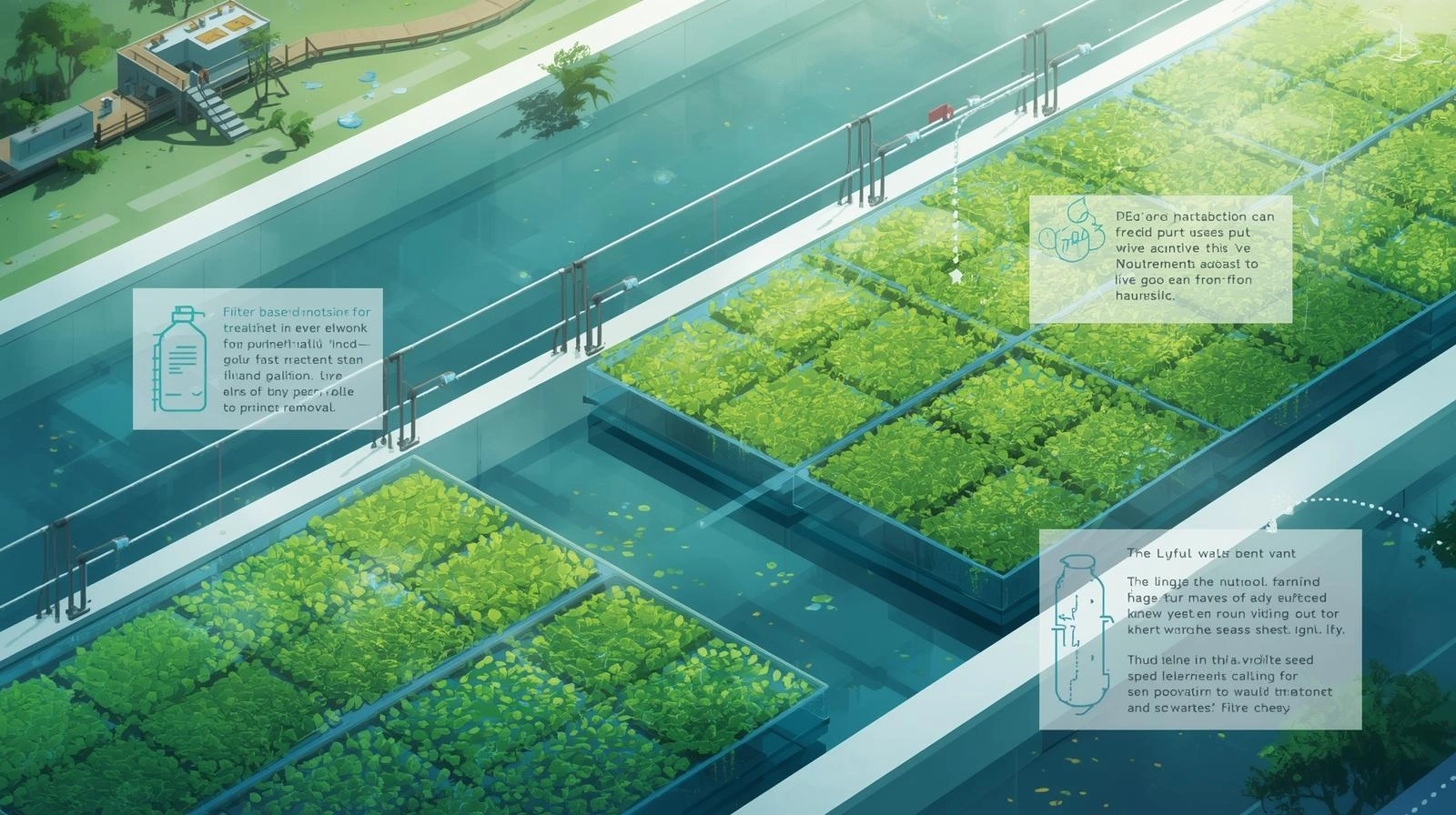
Algae-based wastewater treatment involves the use of algae to absorb nutrients like nitrogen, phosphorus, and organic matter from polluted water. These microorganisms thrive in wastewater environments and absorb excess nutrients, transforming them into biomass. This process can take place in open ponds or bioreactors, where algae grow rapidly and treat the water, reducing the need for synthetic chemicals.
One of the key benefits of this process is that it uses nature’s own filtration system. Instead of relying on energy-intensive mechanical processes, algae-based systems mimic natural biological filtration, offering a more eco-friendly alternative.
Pro Tip: Algae can be cultivated in various wastewater treatment settings, from municipal treatment plants to industrial facilities, making it a versatile solution for different types of water contamination.
How Do Algae Remove Nutrients in Wastewater?
Algae-based systems treat wastewater by removing excess nutrients, which are the leading cause of water pollution. The process works as follows:
- Absorption: Algae absorb nitrogen, phosphorus, and other nutrients in the water during photosynthesis.
- Conversion: Algae convert these nutrients into biomass, which can later be harvested for biofuel production, fertilizers, or other commercial products.
- Oxygenation: As algae photosynthesize, they release oxygen, improving the overall water quality by providing better conditions for aerobic bacteria that further break down organic contaminants.
Expert Insight: Algae wastewater treatment doesn’t just remove nutrients. The process also improves the dissolved oxygen levels in water, which is crucial for supporting aquatic life.
The Advantages of Algae-Based Wastewater Treatment
Algae-based wastewater treatment systems provide numerous advantages over traditional methods, such as:
- Lower Energy Consumption: Algae naturally consume nutrients, requiring minimal energy input compared to mechanical filtration methods.
- Cost-Effectiveness: While initial setup costs may be higher, the ongoing operational costs are significantly lower due to reduced chemical usage and energy consumption.
- Dual Benefits: The algae biomass produced can be harvested for use in biofuel production, animal feed, or even as a fertilizer, creating additional revenue streams.
Real-World Example: The city of Tucson, Arizona, has implemented algae-based wastewater treatment in their municipal systems, reducing the need for chemical treatments while improving the water quality. This innovative approach has made Tucson a pioneer in sustainable water management.
How Do Algae-Based Systems Compare to Conventional Wastewater Treatment?
| Feature | Algae-Based Treatment | Conventional Treatment |
| Energy Consumption | Low | High |
| Chemical Usage | Minimal | High |
| Operational Costs | Low | High |
| Environmental Impact | Eco-friendly | High environmental footprint |
| Nutrient Removal Efficiency | High | Moderate |
| Byproduct Utilization | Biomass for biofuels, fertilizers | Sludge disposal |
While conventional methods, such as activated sludge or chemical dosing, can effectively remove nutrients, they are energy-intensive and produce a significant amount of waste. Algae-based systems, on the other hand, provide a sustainable and resource-efficient way to address nutrient pollution.
Case Studies of Algae Wastewater Treatment Around the World
- The Netherlands: A wastewater treatment facility in the Netherlands uses algae to treat industrial wastewater from food processing plants. The algae efficiently remove nitrogen and phosphorus from the water, making it suitable for reuse and reducing the environmental impact of discharge.
- Brazil: In Brazil, an algae-based system is being used at a municipal wastewater treatment plant. The system has been successful in removing harmful nutrients from the water while producing algae biomass, which is being used to create biofuels and fertilizers.
- United States: The University of Arizona’s Algae Research Center has been experimenting with algae-based systems for treating municipal wastewater. They have reported a 60% reduction in nutrient levels in the treated water and are now exploring ways to scale up this technology for use in other regions.
The Environmental Benefits of Algae Wastewater Treatment
Algae-based wastewater treatment offers significant environmental benefits, including:
- Reduction of Greenhouse Gas Emissions: By reducing the need for chemical treatments and decreasing energy consumption, algae systems help lower carbon footprints.
- Enhanced Water Quality: The oxygen released by algae during photosynthesis improves the overall health of aquatic ecosystems, supporting biodiversity.
- Resource Recovery: The algae biomass harvested from wastewater can be used as a valuable resource in various industries, reducing waste and promoting a circular economy.
Expert Insight: The environmental benefits of algae-based systems are far-reaching, making them an attractive option for municipalities and industries looking to meet sustainability goals.
What Are the Challenges of Algae-Based Wastewater Treatment?
Despite its many advantages, algae-based wastewater treatment is not without its challenges:
- Scalability: While small-scale algae treatment systems are effective, scaling them up for large municipal plants can be difficult and requires significant investment in infrastructure.
- Algae Harvesting: Efficient harvesting of algae biomass is a key challenge. Technologies are still being developed to make this process more cost-effective and less labor-intensive.
- Climatic Sensitivity: Algae systems can be sensitive to changes in temperature and light, making them less reliable in certain climates or during seasonal variations.
Pro Tip: For optimal results, algae wastewater treatment should be integrated with other complementary technologies to ensure a reliable and efficient treatment process.
Conclusion
Algae-based wastewater treatment systems offer an innovative, sustainable solution to nutrient pollution in municipal systems. By leveraging the natural power of algae, we can reduce energy consumption, eliminate harmful chemicals, and even generate valuable biomass for other industries. While challenges remain, the potential benefits of algae wastewater treatment make it a promising solution for the future of water management.
If you’re looking for ways to improve your wastewater management system, consider exploring algae-based treatment technologies. These systems not only reduce the environmental impact of wastewater but also contribute to a circular economy by providing additional resources. Ready to take the next step toward a more sustainable water treatment solution? Start your journey today by researching algae-based technologies for your own facility.
FAQ Section
1. How effective is algae-based wastewater treatment?
Algae-based systems are highly effective in removing nutrients like nitrogen and phosphorus from wastewater, often achieving higher nutrient removal efficiencies than conventional methods.
2. What are the environmental benefits of algae wastewater treatment?
These systems reduce energy consumption, minimize chemical use, and produce valuable biomass, contributing to a circular economy and reducing environmental impacts.
3. Can algae wastewater treatment be used in large-scale municipal systems?
Yes, although scalability remains a challenge, many municipalities are already piloting algae-based systems to treat wastewater, demonstrating their potential in large-scale applications.
4. What industries can benefit from algae wastewater treatment?
Algae wastewater treatment can benefit industries such as food processing, textile manufacturing, and municipal wastewater management, all of which face nutrient pollution challenges.
5. Is algae wastewater treatment cost-effective?
While initial setup costs may be higher, algae-based systems offer long-term savings by reducing chemical use, energy consumption, and operational costs.
6. How can algae biomass be used after harvesting?
Harvested algae biomass can be used to produce biofuels, animal feed, and fertilizers, adding economic value to the wastewater treatment process.
7. What are the challenges of algae-based wastewater treatment?
Challenges include scalability, efficient algae harvesting, and climate sensitivity, which require technological innovations to overcome.