
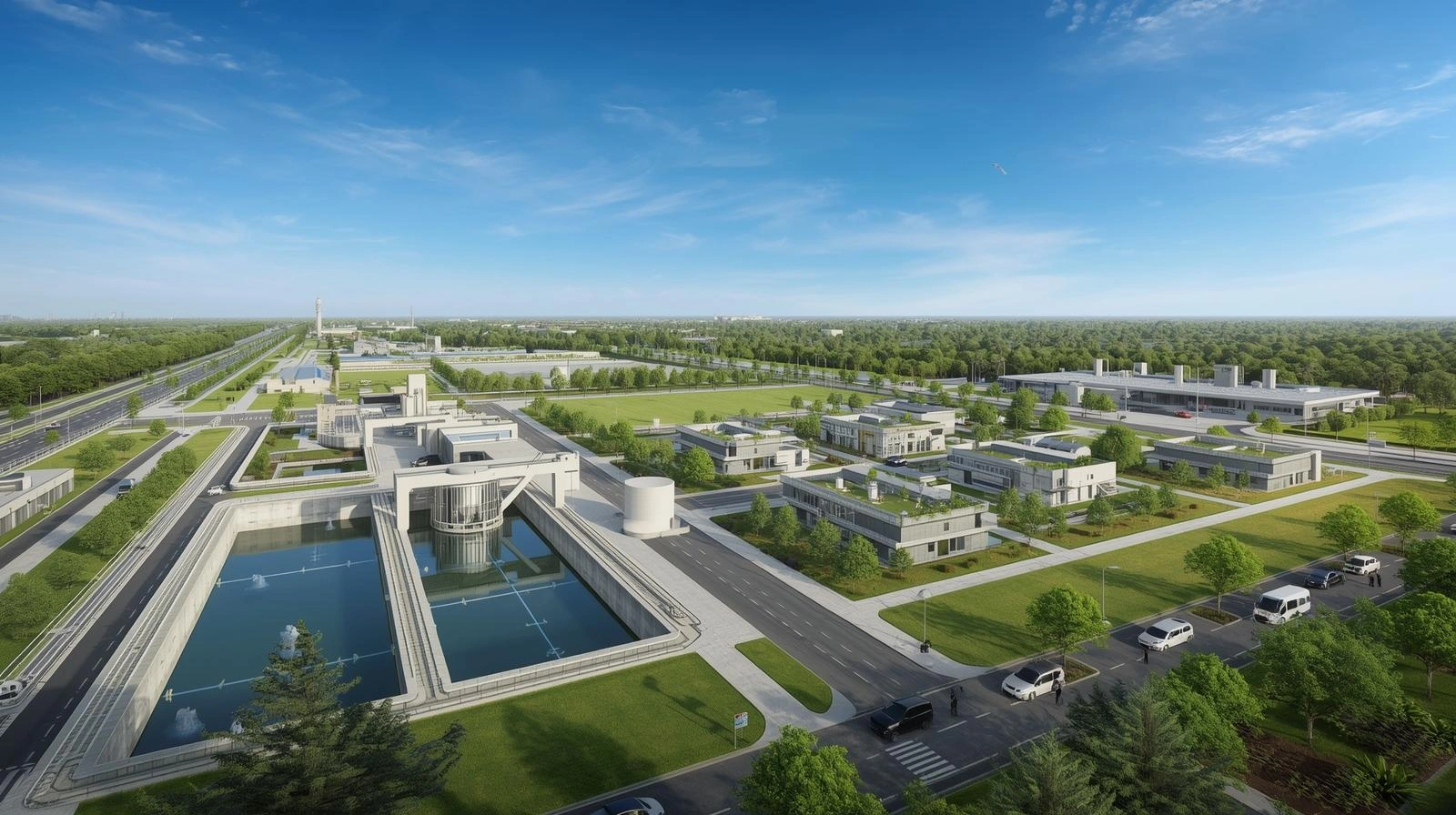
A City at the Crossroads of Change
Have you ever wondered how cities in rapidly developing regions tackle the growing challenge of water scarcity? In cities like Gujranwala, a large industrial hub in Pakistan, ensuring sustainable access to clean water is not just an environmental necessity—it’s a pressing survival issue.
With a population of over 2 million and rapid urbanization, Gujranwala faces the growing pressure of providing clean water to its citizens while safeguarding its water resources. Historically, water management here has faced challenges such as inconsistent water supply, pollution, and over-extraction from aquifers. But the good news? There’s hope on the horizon.
This blog post will explore the sustainable municipal water projects that are transforming Gujranwala’s approach to water management. You’ll learn about the innovative solutions being implemented to ensure a reliable, clean, and cost-effective water supply for generations to come.
Why Are Sustainable Water Projects Essential for Gujranwala?
What Are the Major Water Challenges in Gujranwala?
Water scarcity has been one of the defining challenges in Gujranwala. The city’s rapid industrial growth, agricultural needs, and increasing population have put an immense strain on its water resources. In particular, the depletion of groundwater due to over-extraction and poor management has made it increasingly difficult to meet the growing demands for water.
Statistics: According to a report by the Pakistan Council of Research in Water Resources (PCRWR), groundwater levels in Gujranwala have been declining by an alarming 2-3 meters annually.
In response, the city is embracing sustainable water projects to combat these issues. These projects aim not only to conserve water but also to optimize usage, reduce waste, and safeguard the environment.
Why Is Sustainability Key to Water Management?
Sustainability in water management refers to meeting the needs of the present without compromising the ability of future generations to meet their own needs. Gujranwala’s municipal water projects focus on creating a resilient infrastructure that ensures long-term access to clean water while reducing the environmental impact of water extraction.
In a sustainable model, water is managed efficiently, and wastewater is treated and reused. The focus is also on rainwater harvesting and improving the storage and distribution infrastructure, ensuring that water resources are managed effectively and responsibly.
What Are Some Key Sustainable Water Projects in Gujranwala?
1. Rainwater Harvesting and Storage Systems
Gujranwala’s local government has been actively promoting rainwater harvesting as a sustainable solution to supplement the city’s water supply. This involves collecting rainwater from rooftops, treating it, and storing it for non-potable use in homes, businesses, and industrial units. By channeling rainwater into storage tanks, Gujranwala can reduce its dependence on groundwater and surface water sources.
Case Study: One notable example is the installation of rainwater harvesting systems in educational institutions and public buildings across the city. These projects have resulted in a reduction of water demand from traditional sources by up to 15% in some areas.
2. Water Treatment and Recycling Facilities
Gujranwala has been working on setting up modern water treatment plants to recycle wastewater. These facilities treat domestic and industrial wastewater to make it safe for irrigation and, in some cases, for industrial use. By recycling water, the city is effectively reducing water wastage and creating a circular water system that benefits both the environment and the economy.
Example: The Gujranwala Wastewater Treatment Plant, which has been operational since 2022, serves over 200,000 residents by providing treated wastewater for agricultural irrigation. This initiative has improved agricultural productivity and reduced the strain on fresh water sources.
3. Improved Infrastructure and Leak Reduction
One of the biggest challenges in Gujranwala’s water distribution system has been leakage in old pipes and inadequate infrastructure. To tackle this, the local government is focusing on upgrading the city’s water supply network. This includes replacing old pipes, installing pressure monitoring systems, and optimizing the distribution channels to ensure minimal water loss.
Pro Tip: Water loss in urban areas often results in 30-40% of water supply being wasted due to leaks. Upgrading infrastructure is a cost-effective way to increase available water without having to extract additional resources.
How Are Technology and Innovation Shaping Gujranwala’s Water Future?
Can Smart Water Technologies Make a Difference?
Yes, technology is revolutionizing water management in Gujranwala. The integration of smart water meters, sensor-based leak detection systems, and data-driven analytics is helping the city track water usage patterns in real-time. By using this data, local authorities can predict demand more accurately and make informed decisions about resource allocation.
Smart water meters installed in key residential and industrial areas allow users to track their water usage through mobile apps. This transparency encourages more responsible water consumption, helping both the city and its residents reduce wastage.
Example: In collaboration with a tech startup, Gujranwala has begun using AI-based systems to detect leaks in water pipes before they cause significant losses. This proactive approach is saving millions of liters of water every year.
How Does Community Involvement Impact Sustainable Water Projects?
While government-led initiatives are critical, community involvement plays an essential role in the success of sustainable water projects. In Gujranwala, local communities are being educated about water conservation practices such as reducing household water usage and maintaining rainwater harvesting systems.
Case Study: The “Water Wise Gujranwala” campaign, launched in 2023, focuses on teaching residents how to reduce water waste. The program encourages businesses and households to adopt sustainable practices like using water-efficient appliances and using treated wastewater for non-drinking purposes.
What Can Other Cities Learn from Gujranwala’s Water Projects?
How Do Gujranwala’s Water Solutions Compare to Other Cities?
Gujranwala’s sustainable water initiatives offer valuable lessons for other cities facing similar water challenges. While cities like Karachi and Lahore also struggle with water scarcity, Gujranwala’s focus on integrating technology, recycling, and community engagement offers a balanced approach that could serve as a model for other urban areas in Pakistan and beyond.
The combination of rainwater harvesting, wastewater recycling, and smart technology creates a multi-faceted approach that can be adapted to other cities facing water stress. These initiatives not only provide sustainable water sources but also help build resilience against the impacts of climate change.
Pro Tip: Cities that invest in water-efficient technologies and infrastructure improvements will save more in the long run, reducing their reliance on costly water imports and improving the overall quality of life for their residents.
Conclusion: A Resilient Water Future for Gujranwala
Gujranwala’s journey toward sustainable municipal water projects is a promising example of how cities can turn water challenges into opportunities. By focusing on technology, infrastructure improvements, and community engagement, the city is building a resilient water system that can meet the demands of a growing population while preserving resources for future generations.
As Gujranwala continues to innovate, other cities facing similar water scarcity issues can look to these projects for inspiration and guidance. The future of urban water management lies in adopting sustainable, innovative solutions—and Gujranwala is leading the way.
FAQ Section
1. What is the current state of water availability in Gujranwala?
Gujranwala faces significant water challenges, including declining groundwater levels and over-extraction of resources. However, ongoing sustainable water projects like rainwater harvesting and wastewater recycling are improving the situation.
2. How can businesses contribute to water sustainability in Gujranwala?
Businesses can adopt water-saving practices like using water-efficient appliances, reducing water waste, and promoting the use of treated wastewater for non-potable purposes. They can also participate in city-led sustainability campaigns.
3. What role does community awareness play in water sustainability?
Community awareness is crucial in ensuring the success of sustainable water projects. Educating residents about water conservation practices can lead to significant reductions in water wastage and ensure the longevity of these projects.
4. Are there any incentives for individuals or businesses to adopt sustainable water practices?
Yes, Gujranwala’s local government offers incentives such as subsidies on rainwater harvesting systems and reduced water tariffs for businesses that use recycled water for industrial purposes.
5. What are the most effective technologies for managing water in cities like Gujranwala?
Smart water meters, leak detection systems, and AI-powered analytics are among the most effective technologies for managing urban water. These tools help monitor water usage, detect inefficiencies, and optimize distribution.
6. How can other cities replicate Gujranwala’s success in water management?
Other cities can replicate Gujranwala’s approach by investing in infrastructure upgrades, promoting water conservation campaigns, and integrating smart technologies to monitor and manage water resources more efficiently.
7. What are the future prospects for sustainable water projects in Gujranwala?
With continued investment in sustainable water projects, Gujranwala is poised to become a model for other cities in Pakistan. Its commitment to innovative solutions and community involvement will ensure a more secure water future for its residents.