
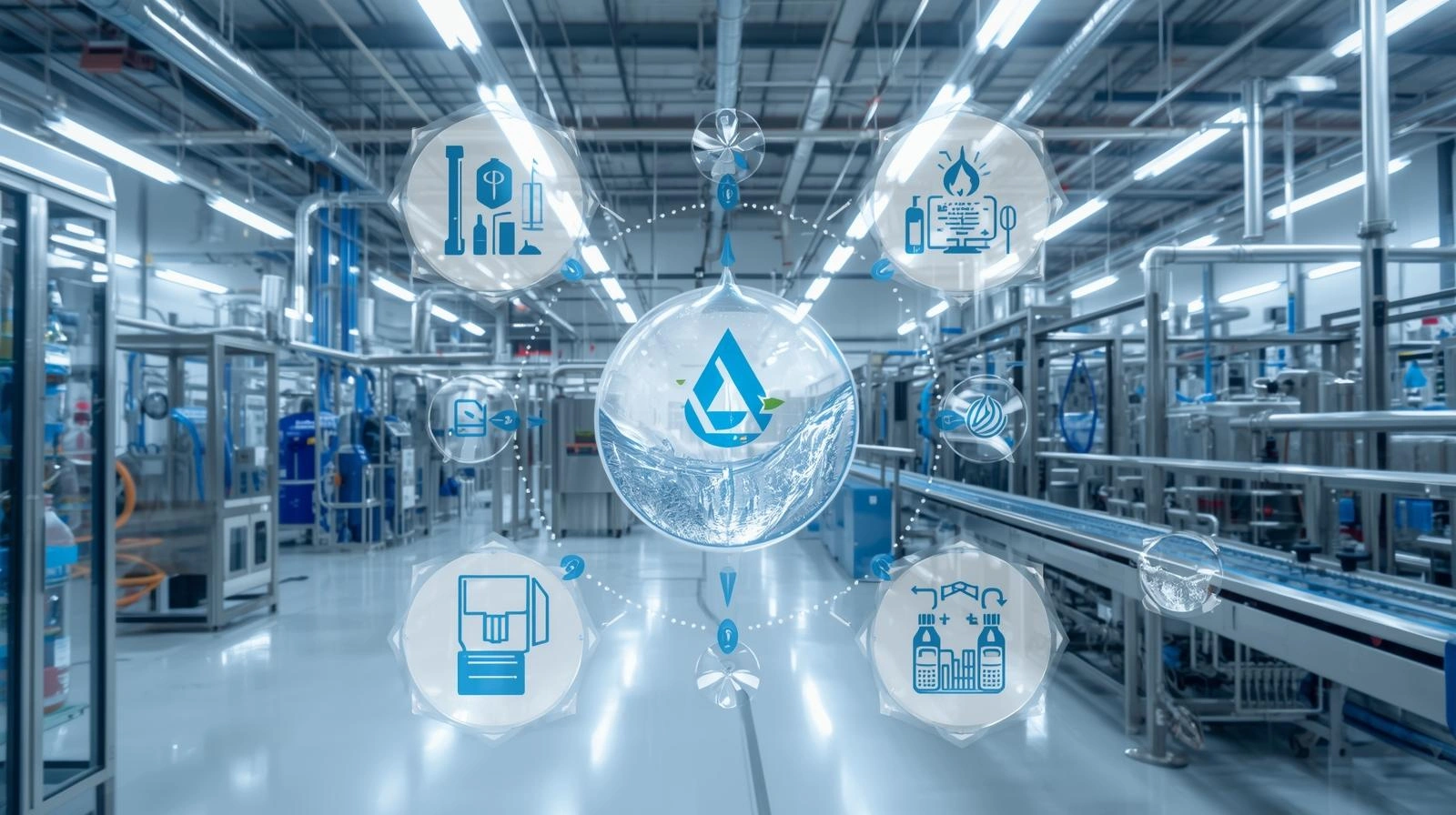
Water is a critical resource in the beverage industry, but with the growing challenges of climate change, increasing water scarcity, and regulatory pressures, optimizing its use has become an urgent priority. For beverage businesses in Multan, where water usage is often high and quality is paramount, finding solutions to enhance water treatment and optimize consumption is not just a business need—it’s a responsibility.
In this post, we’ll explore actionable strategies for optimizing water use in Multan’s beverage industry. We’ll look at the current water treatment challenges, the benefits of water optimization, and practical steps businesses can take to improve water efficiency. By the end of this guide, you’ll have a clear understanding of how to improve your water usage, save costs, and ensure sustainability.
Why Is Water Optimization Crucial for the Beverage Industry in Multan?
How Does Water Usage Impact the Beverage Industry in Multan?
In Multan, one of the country’s most water-stressed regions, water is used at every stage of beverage production, from ingredient mixing to bottling. The beverage industry, being water-intensive, is facing mounting pressure to reduce its environmental footprint. With the region’s hot climate and scarce water resources, optimizing water use isn’t just beneficial for the environment—it also ensures that businesses remain competitive in a market that increasingly values sustainability.
A key statistic highlights this growing need: The beverage industry can use up to 10 liters of water for every liter of product produced. In a place like Multan, with limited access to clean and affordable water, this is a significant challenge. Optimizing water usage can result in reduced operational costs, a better reputation for corporate responsibility, and compliance with ever-stricter environmental regulations.
The Benefits of Water Optimization for Beverage Companies
Water optimization can deliver several key benefits for beverage businesses, particularly in Multan:
- Cost Reduction: Water costs are a significant portion of operational expenses in beverage manufacturing. By optimizing water usage, companies can lower their water bills and reduce waste management costs.
- Compliance and Regulatory Advantage: Stricter regulations on water usage and waste treatment are expected in the coming years. Companies that proactively address water consumption will be better positioned to meet these requirements.
- Brand Image and Customer Loyalty: In today’s market, consumers are more aware of sustainability issues. By demonstrating a commitment to water conservation, businesses can attract environmentally conscious customers.
How Can Beverage Companies in Multan Achieve Water Optimization?
What Are the Key Strategies for Beverage Industry Water Optimization in Multan?
Achieving water optimization in the beverage industry requires a combination of technology, process improvement, and a proactive mindset. Here are the key strategies:
1. Implementing Water Treatment Systems
Water treatment is crucial for ensuring the quality of water used in beverage production. This includes removing contaminants and ensuring the water meets safety standards. Advanced water treatment systems such as reverse osmosis (RO), ultrafiltration, and UV purification can improve the quality of water while reducing the need for fresh water.
Pro Tip: Investing in water treatment systems can allow companies to recycle water, which not only reduces the demand for fresh water but also lowers wastewater disposal costs.
2. Installing Water Recovery and Recycling Systems
One of the most effective ways to optimize water use is by implementing water recovery and recycling systems. These systems allow companies to treat and reuse water from processes like washing, cooling, and rinsing. For example, water from production lines can be filtered, treated, and then reused for cleaning or cooling, significantly reducing overall water consumption.
Real-World Example: A local beverage company in Multan adopted a closed-loop water system where water used in cooling systems was filtered and reused. This resulted in a 30% reduction in water consumption.
3. Process Optimization and Waste Reduction
In many beverage production processes, water is used inefficiently. Optimizing these processes—by fine-tuning water usage, reducing leaks, and ensuring equipment runs at peak efficiency—can significantly reduce water waste. It’s also crucial to train employees on water-saving practices and provide regular maintenance to avoid water wastage due to faulty equipment.
Expert Insight: A leading beverage producer in Multan reduced water waste by 25% in one year by training employees to follow best practices in water usage and incorporating more efficient machinery.
What Are the Challenges of Water Optimization in Multan’s Beverage Industry?
What Are the Key Barriers to Water Optimization in Multan?
While the benefits of water optimization are clear, there are also challenges specific to Multan’s beverage industry. Some of the main hurdles include:
1. High Initial Investment
The upfront cost of implementing water-saving technologies, such as advanced water treatment systems or water recovery equipment, can be high. For small to mid-sized beverage companies, this can be a major barrier. However, the long-term savings in water costs and environmental benefits typically outweigh these initial investments.
2. Inconsistent Water Quality
In Multan, water quality can fluctuate, which makes it difficult to establish a consistent treatment process. Companies may need to customize water treatment systems for local water conditions to ensure the best results.
Pro Tip: Partnering with local water treatment experts who understand the specific challenges in Multan can help optimize water treatment processes and prevent potential setbacks.
3. Limited Awareness and Knowledge
Despite the growing emphasis on sustainability, many beverage industry professionals in Multan may still lack sufficient knowledge about water optimization strategies. This highlights the need for more industry education and awareness to empower companies to adopt more sustainable practices.
How Can Water Treatment Help Beverage Companies Save Water?
How Can Water Treatment Improve Water Usage Efficiency?
Water treatment plays a pivotal role in beverage industry water optimization. Proper water treatment systems not only help ensure that the water used in production is of the highest quality but can also reduce water consumption by enabling water reuse. Here’s how:
1. Recycling Water
Modern water treatment technologies can recycle water within the production process, which is essential for reducing overall consumption. For example, water used for cooling or cleaning can be purified and used again in other stages of production, minimizing the need for fresh water.
2. Improving Process Efficiency
By installing automated and highly efficient water treatment systems, beverage companies can continuously monitor and adjust water usage. This helps prevent water waste by ensuring that only the required amount is used at each step.
What Are the Future Trends in Beverage Industry Water Optimization in Multan?
How Is the Future of Water Optimization Shaping Up in Multan?
As Multan’s beverage industry moves toward a more sustainable future, several trends are emerging that will shape the future of water optimization. These include:
1. The Rise of Smart Water Management
Smart water management systems use IoT (Internet of Things) sensors and data analytics to track water usage in real-time. These systems can detect leaks, monitor water quality, and provide actionable insights for improving efficiency.
2. Greater Regulatory Scrutiny
With increasing global concerns about water scarcity, regulatory bodies are likely to impose stricter guidelines for water consumption and waste management. Beverage businesses in Multan will need to stay ahead of these regulations to avoid penalties and improve their sustainability credentials.
Conclusion
Water optimization is no longer just a good practice—it’s an imperative for beverage companies in Multan looking to reduce costs, meet regulatory standards, and appeal to eco-conscious consumers. By investing in advanced water treatment systems, recycling water, and optimizing production processes, businesses can significantly reduce their environmental footprint and improve efficiency.
Take action today by evaluating your current water usage and implementing the strategies discussed above. By prioritizing water optimization, your business can not only thrive in Multan’s challenging environment but also contribute to a more sustainable future.
Frequently Asked Questions (FAQ)
1. What are the benefits of water optimization for beverage companies in Multan?
Water optimization can help beverage companies reduce operational costs, improve compliance with regulations, and enhance brand image by appealing to environmentally conscious consumers.
2. How can I optimize water usage in my beverage production facility?
You can optimize water usage by investing in water treatment systems, installing water recovery units, and training employees on efficient water management practices.
3. What are the challenges of water optimization in Multan’s beverage industry?
The challenges include high initial investment costs, inconsistent water quality, and limited awareness of water optimization technologies and practices.
4. What water treatment methods are best for beverage production in Multan?
Reverse osmosis, ultrafiltration, and UV purification are the most effective methods for ensuring water quality in beverage production. These technologies help remove contaminants and enable water reuse.
5. How can I make my beverage company more sustainable in terms of water usage?
To improve sustainability, adopt water recycling systems, use water-efficient equipment, and regularly monitor water usage to identify areas for improvement.
6. Are there any government regulations on water use for beverage companies in Multan?
Yes, there are likely to be increasing regulations on water use and wastewater treatment in Multan. Beverage companies need to stay informed about local regulations to avoid non-compliance.
7. What is the cost-benefit analysis of water optimization in beverage companies?
While the initial investment may be high, the long-term benefits—such as reduced water costs, lower waste management expenses, and improved sustainability—often lead to substantial cost savings and a positive return on investment.